Table of Contents
How PawSeniors Researches This
PawSeniors articles are written and edited in-house, then checked against primary veterinary sources before publishing.
- Every medical claim is sourced to the American Kennel Club, PetMD, VCA Animal Hospitals, or another named veterinary source, linked at the end of the article.
- Every claim is tied to a named, checkable veterinary source linked at the end of the article — nothing is published without a reference you can verify yourself.
- Articles are updated when veterinary guidance changes.
If your old dog’s back legs are shaking, the most common reasons are muscle weakness from age-related muscle loss, joint pain from arthritis or hip problems, and spinal or nerve problems that affect the hind end. Less often, trembling comes from being cold, anxious, nauseous, or from a medical problem such as kidney disease, low blood sugar, or a medication side effect, so a new or worsening tremor in a senior dog is always worth a vet visit.
Many owners first notice it when their dog is standing still: the back legs quiver while the dog eats, waits at the door, or tries to hold a squat. Sometimes it is a mild, harmless sign of an aging body. Sometimes it is the first visible clue of pain or a nerve problem that responds well to treatment when it is caught early. This guide walks through the likely causes, what to check at home, and when the shaking needs to be seen the same day.
Shaking, Trembling, or Weakness: What Are You Actually Seeing?
“Shaking” can describe several different things, and the details help your vet narrow down the cause. Before you book the appointment, watch your dog for a few days and notice:
- When it happens: only while standing, after a walk, when getting up, at night, or all the time?
- Whether it stops at rest: trembling that disappears when your dog lies down often points to muscle fatigue or weakness. Shaking that continues while lying down suggests other causes, such as pain, cold, anxiety, or a whole-body problem.
- Which legs: one back leg, both back legs, or the whole body?
- What comes with it: stumbling, scuffing the toes, crossing the back legs, a hunched back, panting, licking at a joint, reluctance to jump, or changes in appetite and thirst.
- Your dog’s awareness: is your dog alert and responsive while it happens? A dog who seems “absent,” falls over, paddles, or loses bladder control may be having a seizure, which is different from a tremor.
A short video on your phone is one of the most useful things you can bring to the vet, because shaking often stops the moment you walk into the clinic. Our guide to preparing for a senior pet’s vet visit has more tips on what to record.
Common Causes of Back Leg Shaking in Senior Dogs
1. Muscle Loss and Weakness
As dogs age, they gradually lose muscle mass, especially in the thighs and hips. This age-related muscle loss, called sarcopenia, is one of the most common reasons for trembling back legs in older dogs. Weak muscles tire quickly, and tired muscles quiver, much like your own legs might shake after holding a squat for too long.
Typical signs are thinner hind legs (you may feel the hip bones and spine more easily), trembling while standing that eases when the dog lies down, slower rises, and more shaking after exercise. Muscle loss is not “just old age” to be ignored: it often goes hand in hand with arthritis, reduced activity, and diet changes, and it can be slowed. Read more in our guide to muscle loss (sarcopenia) in senior dogs.
2. Arthritis and Joint Pain
Osteoarthritis in the hips, knees, or lower back is very common in older dogs, and painful joints can make the legs tremble when the dog bears weight. Dogs are good at hiding pain, so shaking may be one of the only obvious signs.
Look for stiffness after rest, a slow or careful sit, reluctance on stairs or jumping into the car, licking over a joint, and shifting weight onto the front legs. Our checklists on the early signs of arthritis in senior dogs and recognizing pain in senior dogs can help you spot the quieter signals. The good news is that arthritis pain usually responds to a combination of approaches, including prescription pain medication, weight control, gentle exercise, and home changes.
3. Hip Dysplasia
Dogs born with hip dysplasia, especially medium and large breeds, often develop significant arthritis in the hips as they get older. Trembling hind legs, a “bunny hopping” gait, a swaying back end, and difficulty rising are typical. See our article on hip dysplasia in senior dogs for how it is managed in later life.
4. Spinal Problems: IVDD and Lumbosacral Disease
Problems in the spine can cause both pain and weakness in the back legs. Intervertebral disc disease (IVDD) happens when a disc between the vertebrae bulges or ruptures and presses on the spinal cord or nerves. It is especially common in long-backed breeds such as Dachshunds, but any dog can be affected. Signs include a hunched back, crying when picked up, reluctance to move, trembling, wobbly back legs, and in serious cases, dragging the back legs or losing bladder control.
In older, larger dogs, narrowing and arthritis around the lower spine (the lumbosacral area) can pinch the nerves that serve the back legs and tail. These dogs may have trouble rising, a low tail carriage, and pain when the lower back or tail is touched.
Sudden weakness, dragging legs, or loss of bladder control with back pain is an emergency. Read more about IVDD in senior dogs.
5. Degenerative Myelopathy
Degenerative myelopathy (DM) is a slowly progressive disease of the spinal cord seen mainly in older dogs of certain breeds, such as German Shepherds, Pembroke Welsh Corgis, and Boxers, though other breeds can be affected. It usually starts with a wobbly, swaying back end, scuffed toenails, and the back feet knuckling over, and it typically is not painful.
Owners sometimes describe the early unsteadiness as “shaking.” Because DM is diagnosed largely by ruling out other causes such as IVDD and arthritis, a full examination is important. Our guide to degenerative myelopathy in senior dogs explains the stages, and the VCA Animal Hospitals overview of degenerative myelopathy is a reliable second source.
6. Nerve Disease and Laryngeal Paralysis
In some older large-breed dogs, especially Labrador Retrievers, a slowly progressing nerve disorder affects both the larynx (voice box) and the long nerves to the back legs. Owners often notice a hoarse or “honking” bark, noisy breathing, and panting first, and later weakness and trembling in the hind legs. If your dog has hind leg weakness together with a changed bark or loud breathing, mention both to your vet. Learn more in laryngeal paralysis in senior dogs.
7. Pain Somewhere Else in the Body
Shaking is a general sign of discomfort. A dog with belly pain (for example from pancreatitis), dental pain, an ear problem, or nausea may tremble all over, and you might notice it most in the back legs. Watch for a hunched posture, drooling, lip licking, restlessness, or a dog who does not want to lie down.
8. Feeling Cold
Older dogs often have less muscle and body fat and may struggle more to stay warm. Shaking that happens outdoors in cold or wet weather, or on a cold floor, and stops once the dog is warm and dry, is often simply a sign of feeling chilly. Cold weather also tends to make stiff joints worse; our article on cold weather and arthritis has practical tips.
9. Anxiety, Fear, and Cognitive Changes
Fear and stress cause trembling in dogs of any age, and many senior dogs become more sensitive to noise, change, and being left alone. Shaking during thunderstorms, fireworks, car rides, or vet visits, together with panting, pacing, or hiding, often points to anxiety. Older dogs with cognitive decline may also become restless and unsettled, especially in the evening. See storm and noise anxiety in senior dogs and sundowning in senior dogs.
10. Medical Conditions That Affect the Whole Body
Several conditions that are more common in older dogs can cause weakness or tremors, often along with other signs:
- Kidney disease: when waste products build up in the blood, dogs can feel nauseous and weak, and some develop tremors. Increased thirst and urination are often the first signs. See kidney disease in senior dogs.
- Low blood sugar: for example in diabetic dogs given too much insulin, or with some tumors. Trembling, wobbliness, and confusion can come on quickly and need urgent care. Read about diabetes in senior dogs.
- Hormone problems: Addison’s disease can cause weakness, shaking, and stomach upset that come and go, while hypothyroidism and Cushing’s disease can both contribute to muscle weakness.
- Electrolyte imbalances: abnormal levels of minerals such as calcium or potassium can affect muscle and nerve function and are found with blood tests.
- Toxins: some toxins cause sudden tremors. If shaking starts suddenly and you think your dog may have eaten something harmful, contact your vet or an animal poison helpline immediately.
11. Medication Side Effects
Some medications can cause trembling, weakness, or restlessness in some dogs. If the shaking started after a new medication or a dose change, do not stop the medicine on your own, but call your vet and tell them exactly when the change happened. Keeping a simple medication log, as described in our guide to managing multiple medications in a senior pet, makes this much easier.
12. Seizures and Brain Problems
A seizure is not the same as a tremor, but focal seizures can look like twitching or shaking in one part of the body. Dogs having a seizure are usually not fully aware of their surroundings. New seizures in an older dog always need a vet visit; see seizures in senior dogs. Sudden loss of balance, a head tilt, and flicking eyes are more typical of vestibular disease.
13. Age-Related Tremors
Some older dogs develop a fine tremor in the back legs, most noticeable when standing, without any other sign of illness or pain. Vets sometimes call these age-related or “senile” tremors. This is a diagnosis made only after other causes, especially pain, muscle loss, and nerve disease, have been ruled out, so do not assume your dog’s shaking is “just age” before they have been examined.
When Back Leg Shaking Is an Emergency
Call your vet or an emergency clinic straight away if the shaking comes with any of the following:
- Sudden inability to stand or walk, or dragging the back legs
- Crying out in pain, a hunched back, or not wanting to be touched or lifted
- Loss of bladder or bowel control
- Collapse, pale gums, or a swollen belly (see sudden collapse in senior dogs)
- Seizure activity, confusion, or unresponsiveness
- Possible poisoning, or shaking in a diabetic dog
- Repeated vomiting, refusing food, or labored breathing
- Whole-body shaking that does not stop
If the shaking is mild, comes and goes, and your dog is otherwise eating, walking, and acting normally, book a regular appointment within the next week or so, and sooner if it gets worse.
What to Check at Home Before the Vet Visit
- Film it. Record the shaking and your dog walking on a non-slip surface, ideally from the side and from behind.
- Keep a short log. Note the time, what your dog was doing, how long it lasted, and whether it stopped when they lay down.
- Feel the thighs. Compare both back legs. Is one thinner? Are the hip bones more obvious than a few months ago?
- Watch the feet. Scuffed nails, worn tops of the toes, or feet that knuckle over can point to a nerve problem.
- Check warmth. Does the shaking stop once your dog is warm and dry?
- Note appetite, thirst, and toilet habits. Changes here suggest a whole-body cause.
- List all medications and supplements, including any recent changes.
How Your Vet Will Find the Cause
Your vet will usually start with a full physical exam, gently feeling the joints, spine, and muscles, and watching your dog walk. A basic neurological exam checks reflexes and how well your dog knows where their feet are. Depending on what they find, next steps may include:
- Blood and urine tests to check kidneys, liver, blood sugar, electrolytes, and hormones
- X-rays of the hips, knees, and spine
- A trial of pain relief, which can help show whether pain is behind the shaking
- Referral for advanced imaging (such as MRI) or a neurologist if a spinal cord or nerve problem is suspected
- Specific tests for conditions such as Addison’s disease or hypothyroidism
The American Kennel Club’s guide to why dogs shake gives a helpful overview of the wider range of causes in dogs of all ages.
How to Help a Senior Dog With Shaky Back Legs
Treatment depends on the cause, but these steps help most older dogs with weak or trembling hind legs, alongside whatever your vet recommends:
- Treat pain properly. If pain is part of the picture, effective pain control is the most important step. Never give human painkillers; many are dangerous for dogs.
- Keep them moving, gently. Short, frequent, flat walks maintain muscle better than one long outing. See how much exercise a senior dog needs.
- Build strength. Your vet or a rehabilitation professional can suggest simple exercises; physical rehabilitation and hydrotherapy can make a real difference for weak hind legs.
- Manage weight. Extra weight puts more load on weak muscles and painful joints. See weight management for senior dogs.
- Improve grip at home. Slippery floors make shaky legs worse. Rugs, runners, and other non-slip flooring solutions help a lot.
- Use a support sling. A rear support harness lets you help your dog up stairs and outside without straining their back. See support slings and lifting harnesses.
- Offer a supportive, warm bed. An orthopedic bed away from drafts eases joints and helps a cold dog stop shaking.
- Ask about diet and supplements. Your vet may suggest adjusting protein intake to support muscle, or omega-3 fatty acids for joints. Our article on what joint supplements actually do explains the options.
- Reduce stress. If anxiety is a trigger, keep routines predictable and create a calm, quiet resting place.
For a bigger-picture plan covering exercise, diet, comfort, and checkups, see our complete guide to caring for a senior dog.
Frequently Asked Questions
Is it normal for an old dog’s back legs to shake?
Mild trembling in the back legs is common in older dogs, but it is not something to ignore. It is often linked to muscle loss or joint pain, both of which can be helped. Have your vet examine your dog to rule out pain, nerve problems, and medical conditions before assuming it is simply age.
Why do my senior dog’s back legs shake when standing but not when lying down?
Shaking that only happens while standing and stops at rest usually suggests the hind leg muscles are tiring under the dog’s weight, from muscle loss, weakness, or joint pain. Your vet can check for arthritis and spinal problems and suggest ways to rebuild strength.
Can back leg shaking mean my dog is in pain?
Yes. Trembling is one of the ways dogs show pain, especially from arthritis, hip problems, and back problems. Other clues include stiffness, licking a joint, reluctance to jump or climb stairs, and changes in mood. A vet exam is the best way to find out.
Can a dog recover from weak, shaky back legs?
Many dogs improve significantly once the cause is treated, for example with pain relief, rehabilitation exercises, weight loss, and home changes. Some conditions, such as degenerative myelopathy, are progressive, but even then good care can keep a dog comfortable and mobile for longer.
Should I worry if my old dog’s back legs are shaking and they are panting?
Shaking together with panting can be a sign of pain, anxiety, overheating, or illness. If it happens at rest, lasts a long time, or comes with other signs such as restlessness, vomiting, or a hunched back, contact your vet promptly. Our guide to heart disease warning signs in senior dogs covers breathing changes worth noting.
This article is for general information only and is not a substitute for veterinary advice. If your senior dog’s back legs are shaking, especially if it is new, getting worse, or comes with any of the emergency signs above, consult your vet. Sources: VCA Animal Hospitals: Degenerative Myelopathy in Dogs, American Kennel Club: Why Do Dogs Shake?.
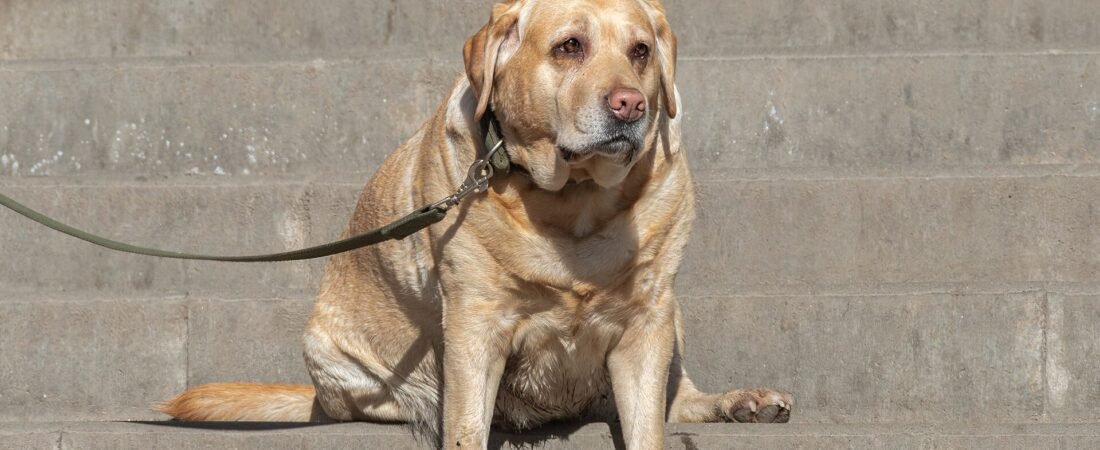
Photo: “Senior labrador” by Горбунова М.С., licensed under CC BY-SA 4.0.