Table of Contents
- What Veterinary Rehabilitation Actually Involves
- Why Hydrotherapy Specifically Works So Well for Senior Dogs
- What Rehabilitation Can Actually Achieve
- Finding a Qualified Practitioner
- What a Typical Program Looks Like
- When to Consider Bringing It Up With Your Vet
- What a Session Actually Feels Like for a Dog
- Combining Rehabilitation With Medication and Diet
How PawSeniors Researches This
PawSeniors articles are written and edited in-house, then checked against primary veterinary sources before publishing.
- Every medical claim is sourced to the American Kennel Club, PetMD, VCA Animal Hospitals, or another named veterinary source, linked at the end of the article.
- Every claim is tied to a named, checkable veterinary source linked at the end of the article — nothing is published without a reference you can verify yourself.
- Articles are updated when veterinary guidance changes.
For a senior dog recovering from surgery, managing arthritis, or coping with a progressive condition like IVDD or degenerative myelopathy, physical rehabilitation offers something medication alone can’t: hands-on, structured work to actually rebuild and maintain strength, coordination, and mobility.
What Veterinary Rehabilitation Actually Involves
Veterinary rehabilitation borrows heavily from human physical therapy, adapted specifically for animal patients, and covers a range of techniques used together depending on a dog’s specific needs: thermotherapy and cryotherapy for pain and inflammation, hydrotherapy for low-impact strengthening, cold laser therapy, core-strengthening and muscle-building exercises, coordination work, and therapeutic massage. Rather than a single treatment, it’s typically a customized combination of these tools, adjusted over time as a dog progresses or as their condition evolves.
Why Hydrotherapy Specifically Works So Well for Senior Dogs
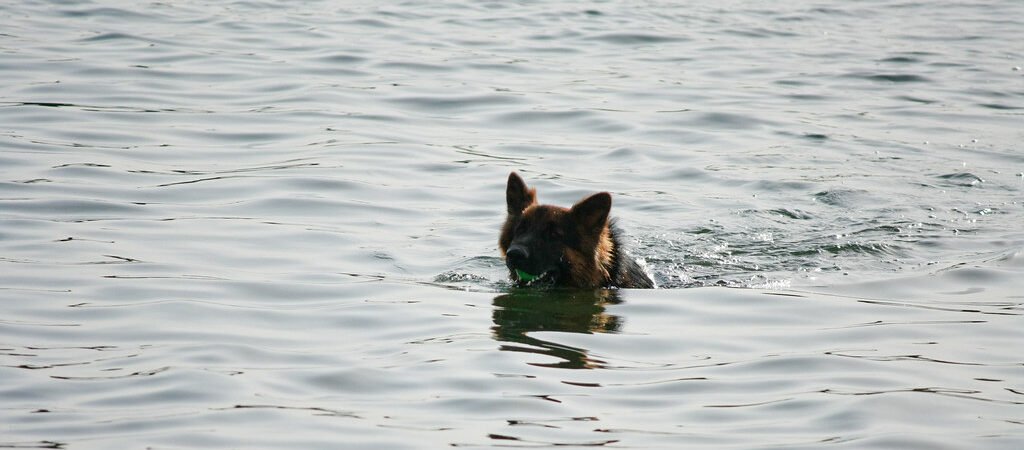
Hydrotherapy, whether swimming or walking on an underwater treadmill, takes advantage of water’s buoyancy to support a significant portion of a dog’s body weight during exercise, dramatically reducing the impact on joints while still letting muscles work through a full range of motion. This makes it especially well-suited to senior dogs specifically, including those with arthritis and muscle wasting who couldn’t tolerate the same exercise on land without pain or excessive strain. The low-impact nature means hydrotherapy remains accessible even for dogs who are otherwise fairly limited in what activity they can safely do.
What Rehabilitation Can Actually Achieve
Beyond simply feeling good, structured rehabilitation can restore and maintain functional mobility, meaningfully speed recovery after surgery, reduce pain, and improve circulation, coordination, and range of motion in ways that directly translate to daily quality of life, easier stairs, steadier walks, more willingness to engage in normal activity. For dogs managing a progressive condition where a cure isn’t possible, rehabilitation won’t reverse the underlying disease, but it can genuinely extend the period of good mobile function and independence, which matters enormously for both a dog’s wellbeing and an owner’s day-to-day caregiving experience.
Finding a Qualified Practitioner
Because veterinary rehabilitation is a specialized field, it’s worth seeking out a practitioner with recognized credentials, certifications like Certified Canine Rehabilitation Practitioner, Certified Canine Rehabilitation Therapist, or Certified Canine Rehabilitation Veterinarian all indicate specific training in this area beyond general veterinary or physical therapy education. Many general veterinary hospitals now have a rehabilitation department or a referral relationship with a specialized facility, and asking your regular vet for a referral is usually the most straightforward way to find a qualified provider in your area.
What a Typical Program Looks Like
A rehabilitation program usually starts with an initial assessment evaluating a dog’s specific strengths, weaknesses, and goals, whether that’s post-surgical recovery, managing chronic arthritis, or maintaining function through a progressive neurological condition. From there, a customized plan is built combining relevant techniques, with sessions typically happening weekly or biweekly at a facility, often paired with specific exercises an owner continues at home between visits to reinforce progress.
When to Consider Bringing It Up With Your Vet
Rehabilitation is worth discussing proactively for any senior dog recovering from orthopedic or spinal surgery, managing arthritis that’s affecting daily mobility, or living with a progressive condition like IVDD or degenerative myelopathy, rather than waiting until mobility has declined significantly. Starting rehabilitation earlier, while a dog still has more baseline strength and function to work with, generally produces better outcomes than beginning only after significant muscle loss or mobility decline has already set in.
What a Session Actually Feels Like for a Dog
Most dogs, including many who are initially nervous around water, adapt to hydrotherapy sessions well once they experience the support water provides, often visibly relaxing once they realize the water is holding them up rather than something to struggle against. Underwater treadmill sessions in particular are usually calmer and more controlled than open swimming, with water depth adjusted specifically to control how much of a dog’s weight is supported versus how much work their legs are doing, letting a therapist fine-tune the difficulty precisely to a dog’s current ability.
Combining Rehabilitation With Medication and Diet
Rehabilitation works best as part of a broader plan rather than a standalone fix, layered alongside any prescribed pain medication, joint supplements, and appropriate weight management, since excess weight adds strain that undercuts the benefit of even the best rehabilitation program. A vet or rehabilitation specialist coordinating across all of these pieces together, rather than treating each in isolation, tends to produce meaningfully better outcomes than any single intervention pursued on its own.
Sources: American Kennel Club — Hydrotherapy for Dogs, VCA Animal Hospitals — Veterinary Rehabilitation Medicine.
Photo: "Dog swimming water" by localpups, licensed under CC BY 2.0. Source.