Health & Mobility
-
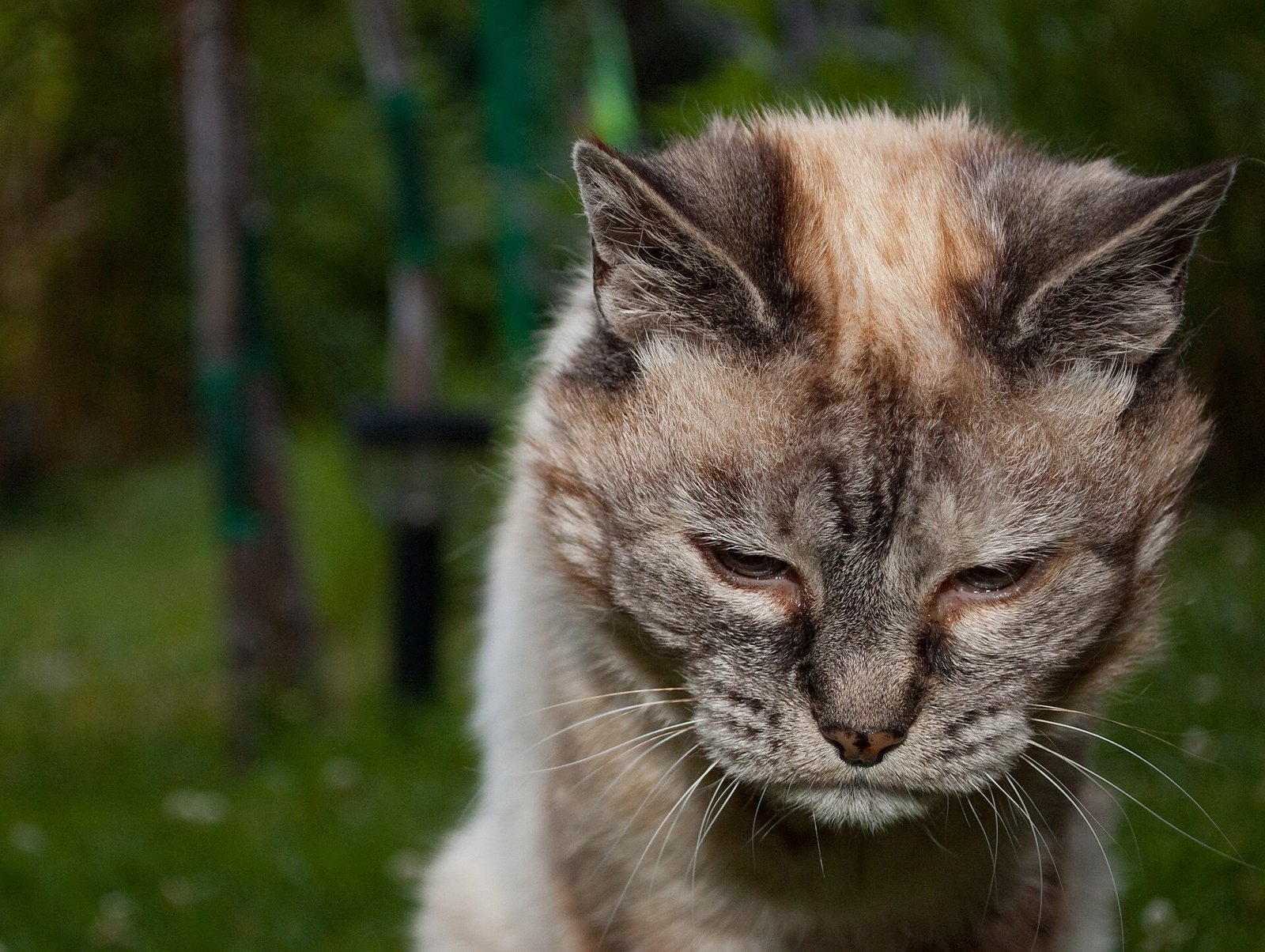
Caring for a Senior Cat: The Complete Guide
Caring for a senior cat comes down to five things: more frequent vet checkups, a diet and water routine matched to your cat’s changing body, a home that is easy…
-

Why Are My Old Dog’s Back Legs Shaking? Causes and When to Worry
Are your senior dog’s back legs shaking or trembling? Learn the common causes, from muscle loss and arthritis to nerve problems, what to check at home, and when to see…
-
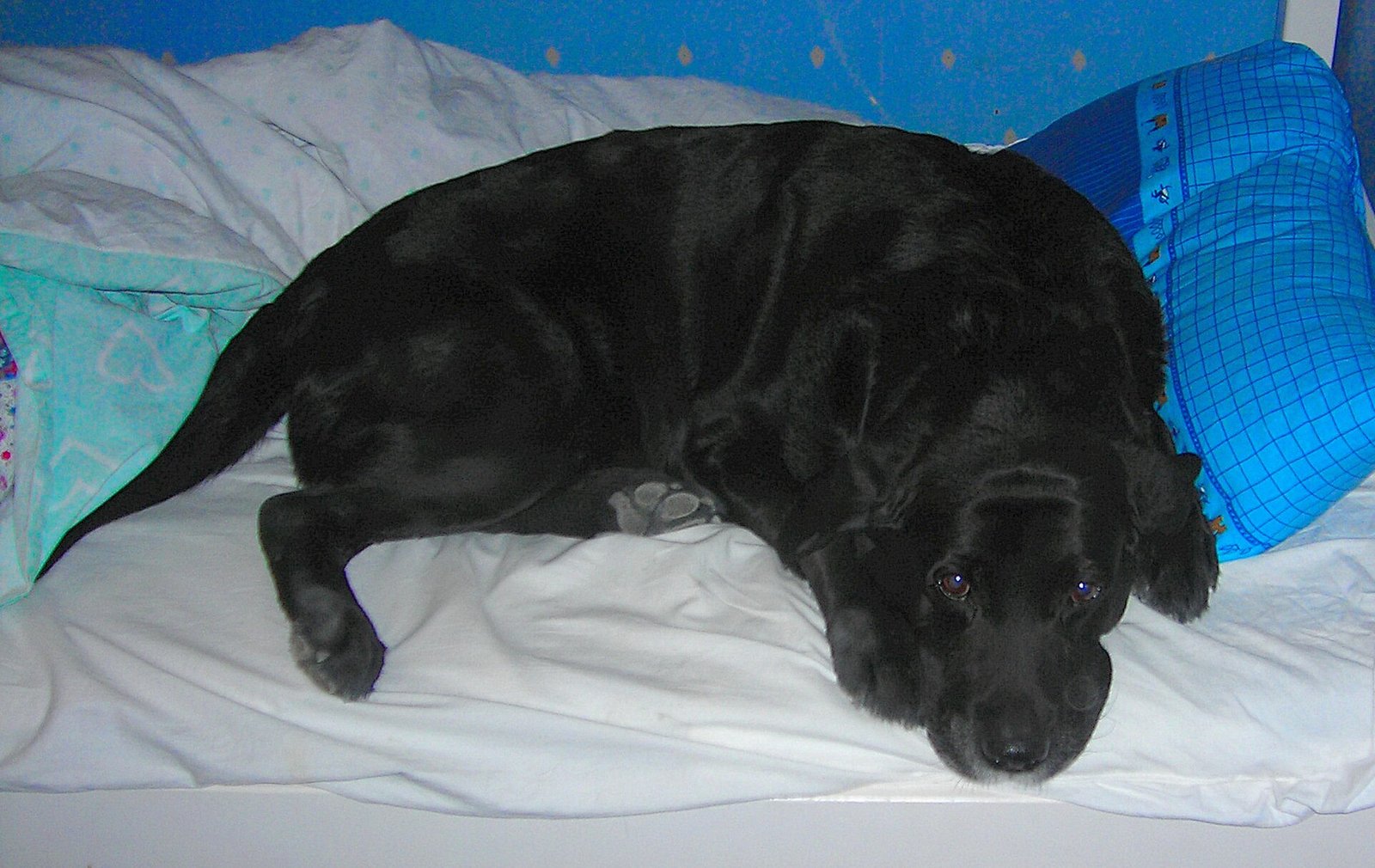
Why Is My Senior Dog Panting at Night? Causes and When to Worry
Common reasons older dogs pant at night, what to check at home, and when night panting needs a vet.
-
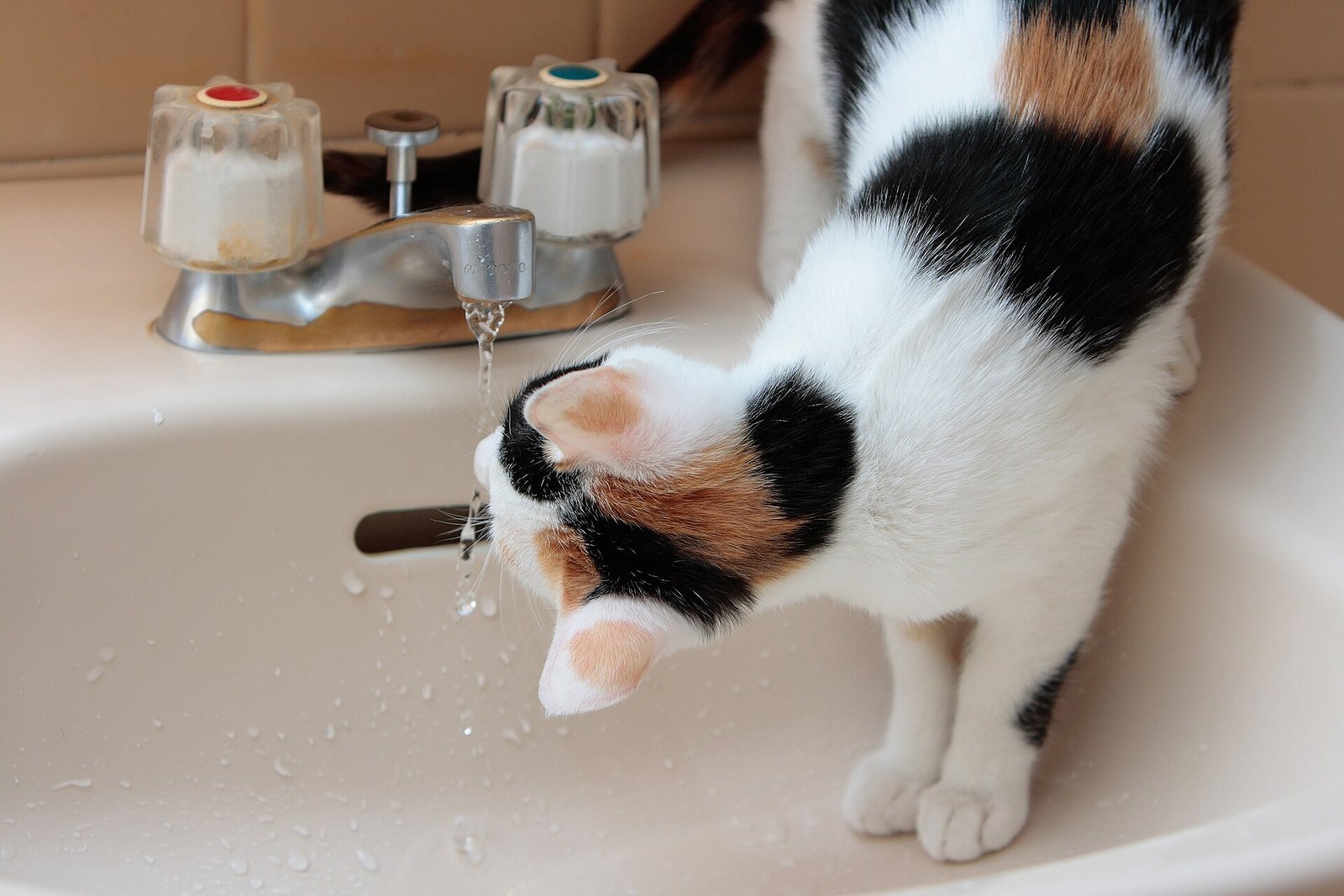
Why Is My Old Cat Drinking So Much Water? Causes and When to Worry
Is your senior cat suddenly drinking a lot more water? Learn the common causes, how to measure intake at home, and when to see your vet.
-

Hemangiosarcoma in Senior Dogs: The Hidden Cancer Behind Sudden Collapse
Hemangiosarcoma often stays hidden until a tumor bleeds and a senior dog suddenly collapses. Here are the subtle early signs, the emergency signs, and an honest look at treatment and…
-

Caring for a Senior Dog: The Complete Guide
Everything you need to care for an older dog: senior vet visits, common health problems, pain signs, diet, exercise, home changes, cognitive health, and end-of-life care.
-
Lymphoma in Senior Cats: Signs and Treatment
Lymphoma is the most common cancer in cats and often hides behind vague digestive symptoms. Here’s the difference between small cell and large cell disease, and what treatment actually looks…
-
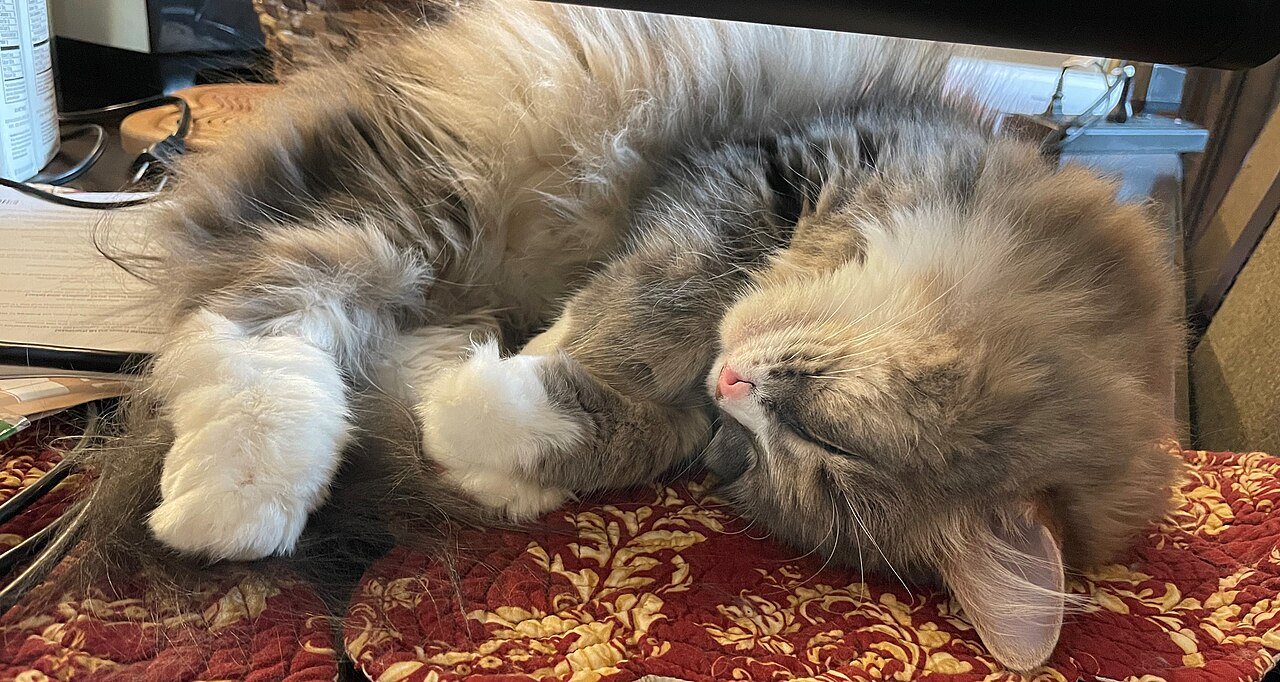
Anemia in Senior Cats: Causes, Signs, and Treatment
Anemia often shows up on a senior cat’s bloodwork before anyone notices a change at home. Here’s what a low red cell count means, why kidney disease is so often…
-
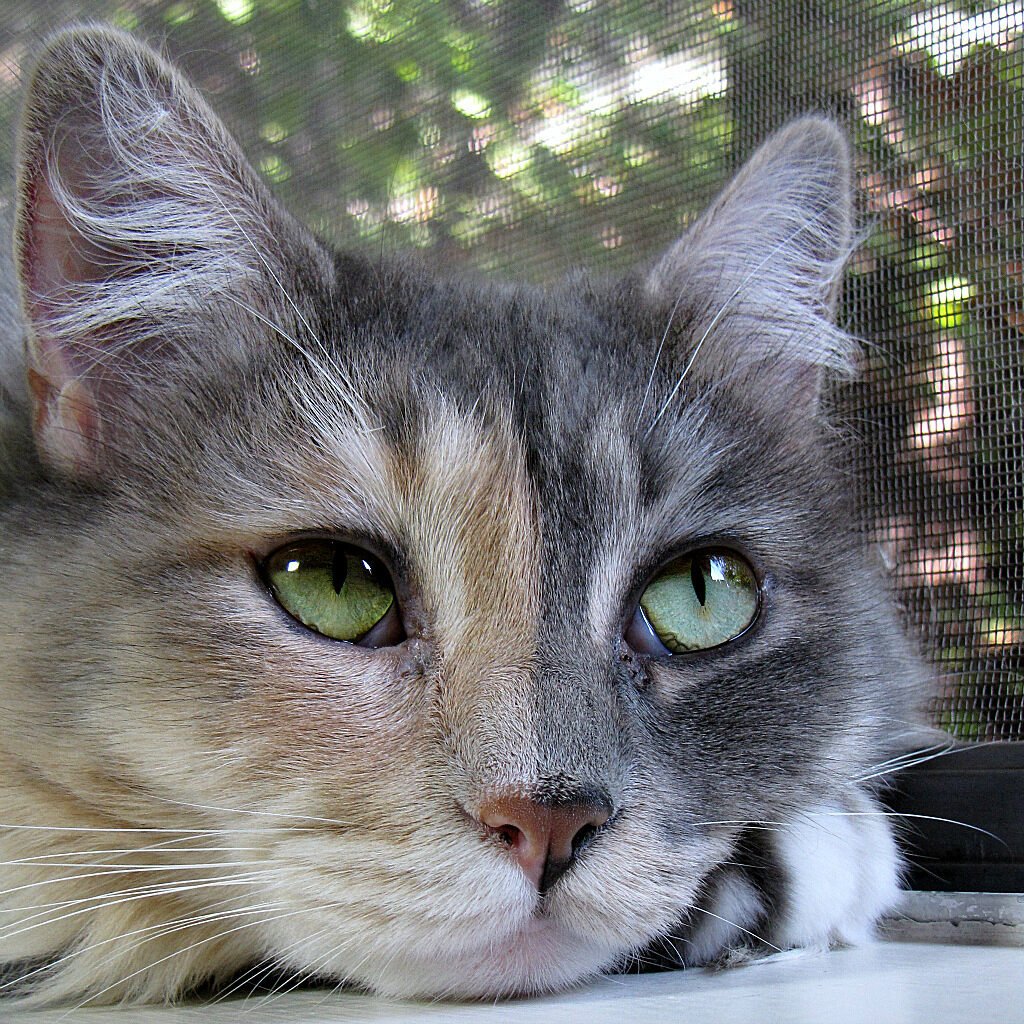
Skin Tumors and Growths in Senior Cats: What’s Different From Dogs
Cats don’t get the same reliably-benign lipomas dogs do — their most common growth, basal cell tumors, is usually harmless but still deserves a prompt vet check.
-
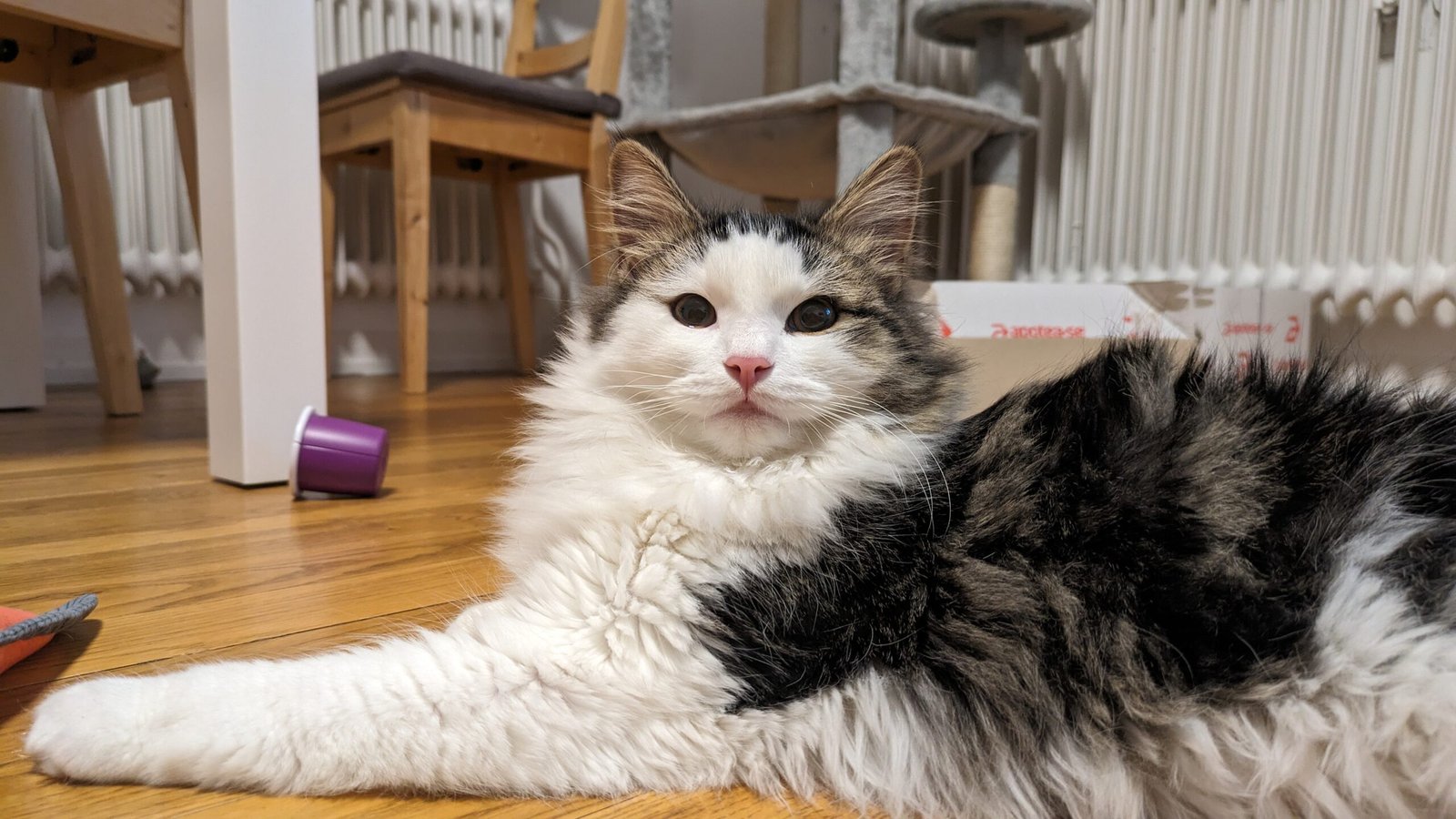
Muscle Loss in Senior Cats: Why the Scale Doesn’t Tell the Whole Story
A senior cat can look weight-stable while quietly losing muscle — sarcopenic obesity hides real decline that only a hands-on muscle check can catch.