Nutrition
-
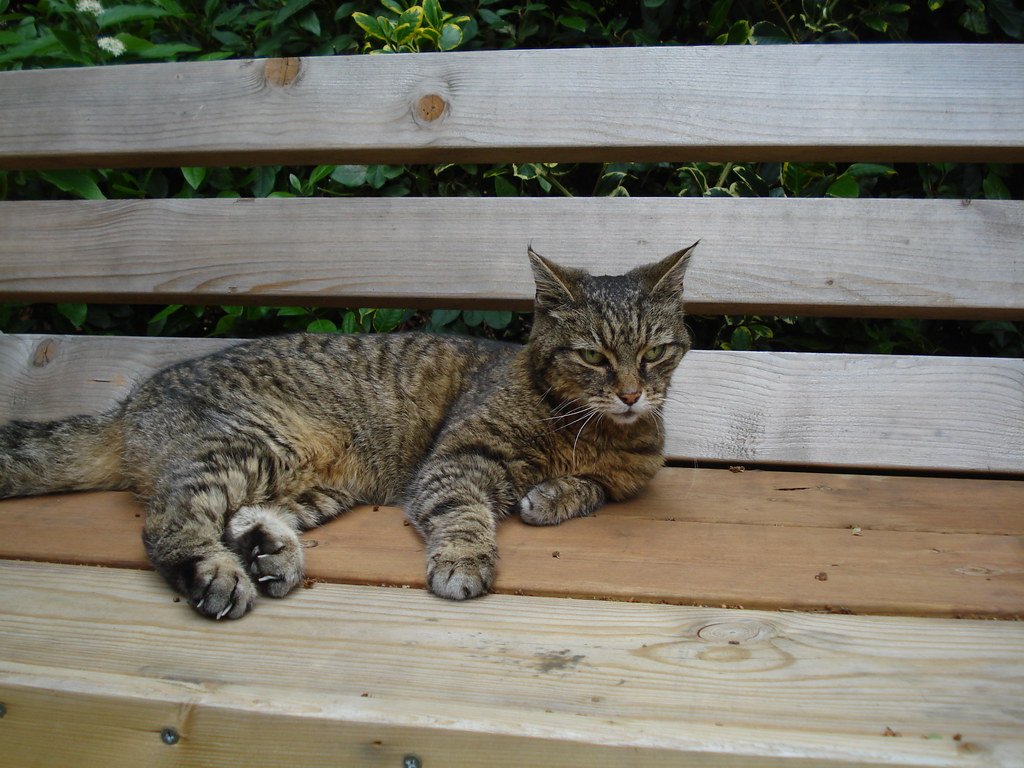
Unexplained Weight Loss in Senior Dogs and Cats: When to Worry
A senior dog or cat losing weight without any change to diet or exercise is one of those symptoms that is easy to feel good about at first. Fewer visible…
-
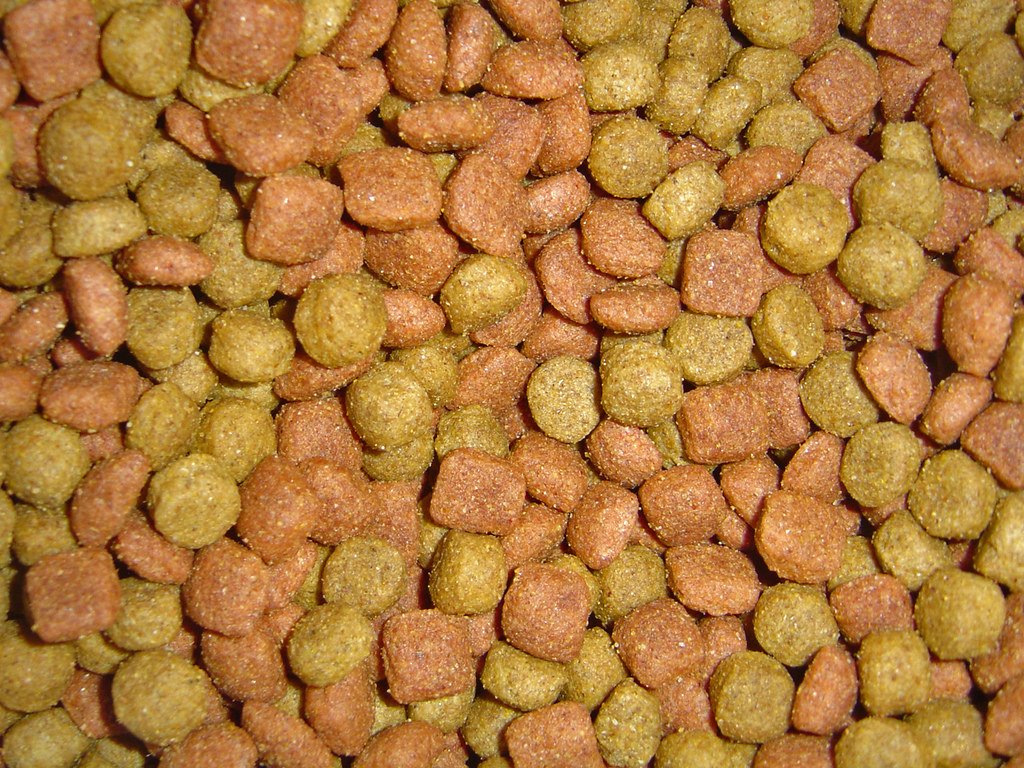
Homemade Diets for Senior Dogs: Benefits, Risks, and Getting It Right
Cooking for a senior dog sounds like an act of care, real ingredients, no mystery fillers, a meal made by hand instead of poured from a bag. That instinct isn’t…
-
Probiotics for Senior Dogs and Cats: What They Actually Do
Walk down the supplement aisle of any pet store and probiotics are everywhere, promising better digestion, firmer stools, and a stronger immune system. For senior pets, whose digestive systems can…
-

Why Senior Dogs and Cats Stop Eating: Common Causes and When to Worry
A senior dog who sniffs at dinner and walks away, or a cat who ignores a bowl they’d normally empty in minutes, gets written off by a lot of owners…
-
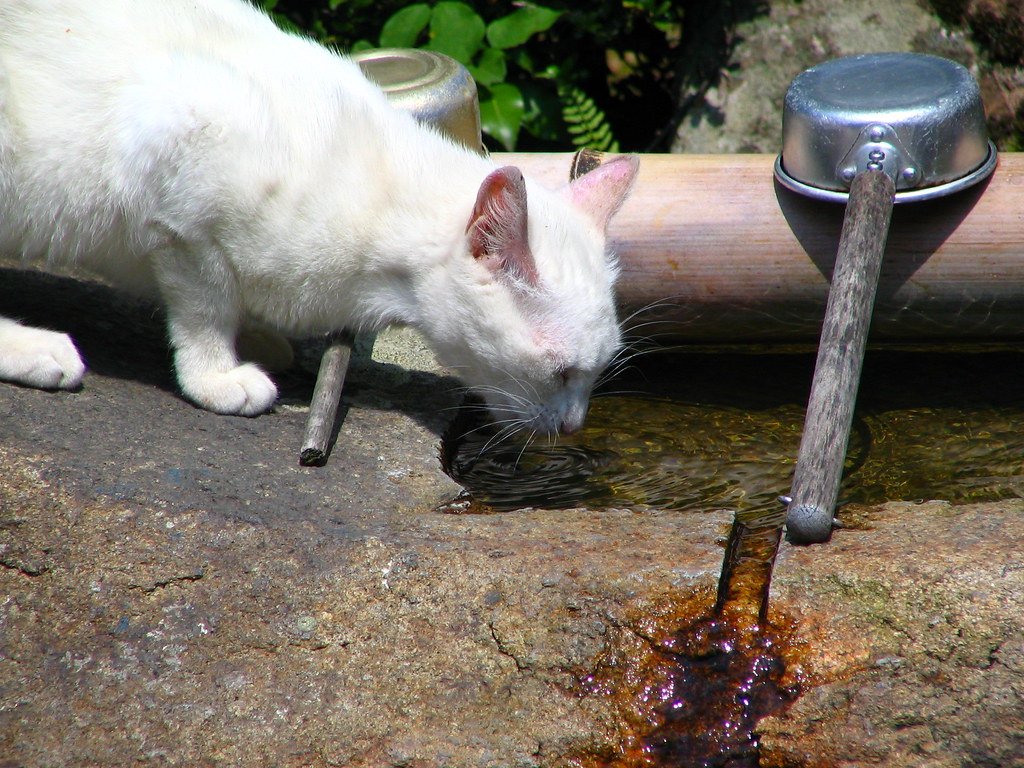
Hydration Tips for Senior Cats With Chronic Kidney Disease
For a senior cat living with chronic kidney disease, hydration isn’t a minor detail; it’s one of the few genuinely manageable factors that can meaningfully slow how fast the disease…
-
Diet and Supplements for Canine Cognitive Dysfunction
Diet is one of the more evidence-backed, actionable tools available for supporting a senior dog managing canine cognitive dysfunction, and understanding what actually has research behind it helps separate genuinely…
-
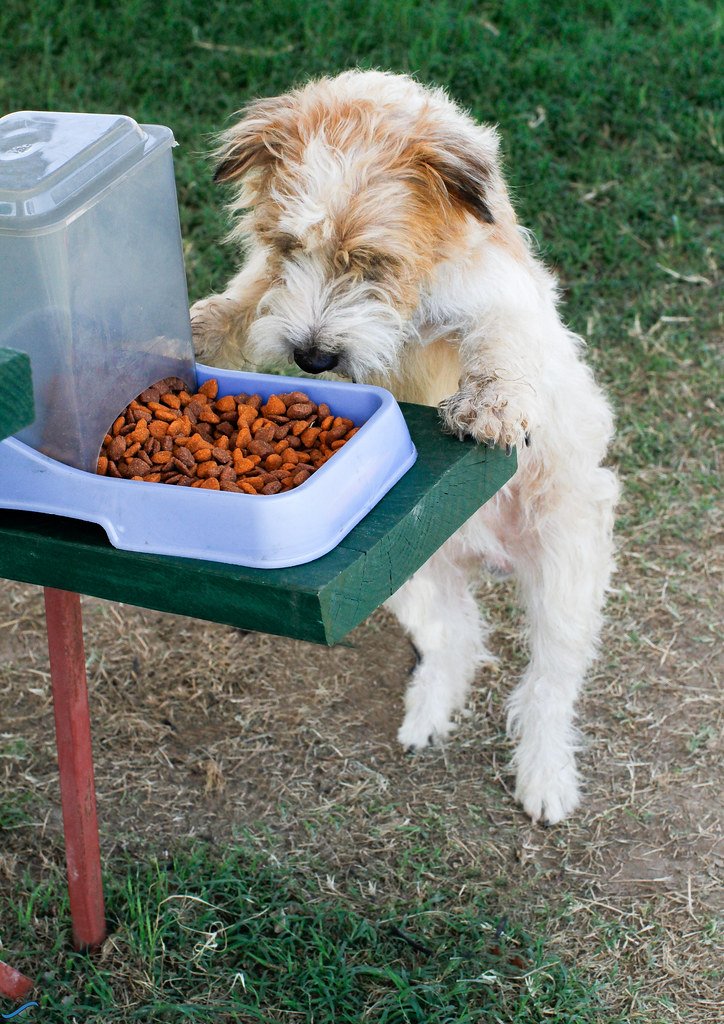
How to Read a Dog Food Label for Your Senior Dog
“Senior” on the bag is barely regulated, but the guaranteed analysis and ingredient list underneath it tell you almost everything that actually matters. Here’s how to read them.
-
Joint Supplements Explained: What Glucosamine, Chondroitin, and Omega-3s Actually Do
Joint supplements are everywhere in senior pet care, but few owners know what each ingredient actually does. Here’s the real mechanism behind the three most common ones, and how to…
-

Best Treats for Senior Dogs Managing Weight or Diabetes
Treats still have a place in a weight-conscious or diabetic senior dog’s routine — the trick is choosing ones that support the diet instead of undermining it.
-
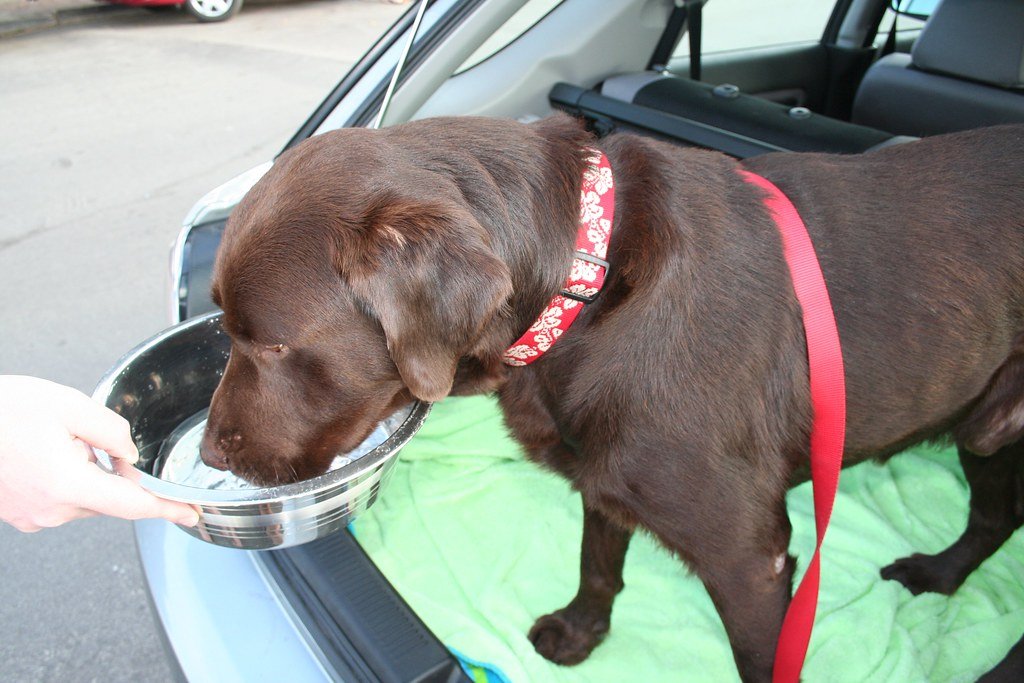
Why Senior Dogs Need More Water Than You Think
Senior dogs are more prone to dehydration, partly because they forget to drink and partly because thirst signals get weaker with age. A few small changes make a real difference.