Emotional & Cognitive Care
-

Separation-Related Stress in Senior Cats: Signs Owners Often Miss
Cats show separation stress differently than dogs — overgrooming, house-soiling near your things, and clinginess before you leave, not shredded furniture.
-

Compassion Fatigue: Caring for Your Own Wellbeing While Caring for a Senior Pet
Caring for a senior pet with a chronic or terminal condition is an act of real love, but it’s also genuinely demanding in ways that can quietly wear a devoted…
-

Knowing When It’s Time: How Vets Help Families Make the Euthanasia Decision
There’s rarely a single, obvious moment that makes the decision to say goodbye to a senior pet clear, and most owners describe this as one of the hardest calls they’ve…
-

Storm and Noise Anxiety in Senior Dogs: Why It Often Gets Worse
A dog who used to sleep through thunderstorms without a second glance and now trembles, paces, or tries to hide at the first distant rumble is showing a pattern many…
-

Selegiline for Canine Cognitive Dysfunction: What It Does and Doesn’t Do
For a senior dog showing the confusion, disrupted sleep, and disorientation of canine cognitive dysfunction, selegiline is currently the only medication specifically approved to help manage those symptoms, giving families…
-
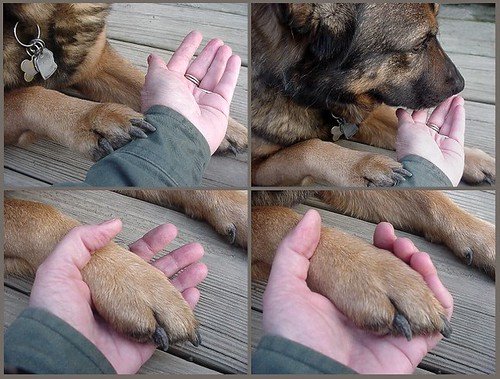
Pet Hospice and End-of-Life Care: What It Involves
Not every senior pet’s journey ends with a sudden decision. For pets diagnosed with a terminal or progressive illness, hospice, or palliative, care offers a structured way to focus on…
-

Compulsive Licking in Senior Dogs: Pain, Anxiety, or Cognitive Decline?
A senior dog who suddenly can’t stop licking one spot, a paw, an elbow, a flank, often gets written off as a new habit or a quirk of old age.…
-

Sundowning in Senior Dogs: Why Evenings Get Harder
If your senior dog seems fine all day and then falls apart every evening — pacing, whining, sudden anxiety — that pattern has a name, and it’s tied directly to…
-

Introducing a New Pet to a Household With a Senior Dog or Cat
A new puppy or kitten’s energy can genuinely overwhelm an aging pet if the introduction moves too fast. Here’s how experts recommend pacing it so both animals actually end up…
-

Mental Enrichment Ideas to Keep Your Senior Dog’s Mind Sharp
Mental stimulation isn’t just for puppies. A handful of low-effort enrichment habits can help slow age-related cognitive decline and keep senior dogs engaged.