Table of Contents
How PawSeniors Researches This
PawSeniors articles are written and edited in-house, then checked against primary veterinary sources before publishing.
- Every medical claim is sourced to the American Kennel Club, PetMD, VCA Animal Hospitals, or another named veterinary source, linked at the end of the article.
- Every claim is tied to a named, checkable veterinary source linked at the end of the article — nothing is published without a reference you can verify yourself.
- Articles are updated when veterinary guidance changes.
A senior dog who’s suddenly drinking and urinating far more than usual, panting more, and developing a pot-bellied look isn’t necessarily just getting older. That specific combination of signs is one of the more recognizable patterns of Cushing’s disease, a hormonal disorder common in middle-aged and senior dogs.
What’s Actually Happening in the Body
Cushing’s disease, also called hyperadrenocorticism, develops when the body produces too much cortisol, a hormone normally released in modest, regulated amounts to help manage stress, metabolism, and immune function. Most cases stem from a small tumor on the pituitary gland, at the base of the brain, that overstimulates the adrenal glands, though a smaller share of cases come from a tumor directly on one of the adrenal glands themselves.
The Signs Owners Actually Notice
The classic pattern includes increased thirst and urination, increased appetite, and increased panting, often alongside a pot-bellied appearance caused by weakened abdominal muscles and fat redistribution. Thinning skin and coat, hair loss that’s often symmetrical along the trunk rather than patchy, and recurring skin or urinary tract infections are also common, since excess cortisol suppresses the immune system and thins the skin over time. Because these signs develop gradually and can look like ordinary aging individually, it’s often the combination, not any single symptom, that finally prompts a vet visit.
How It’s Diagnosed
Diagnosing Cushing’s usually takes more than a single blood test. Vets typically start with routine bloodwork and a urinalysis to look for supporting patterns, like dilute urine, then confirm with a specific hormonal test, most commonly a low-dose dexamethasone suppression test or an ACTH stimulation test, which measure how the body’s cortisol levels respond to a controlled trigger. Imaging, such as an abdominal ultrasound, is often added to help distinguish a pituitary-based case from an adrenal tumor, since the two are managed somewhat differently.
Treatment and Long-Term Management
Cushing’s disease generally can’t be cured, but it can be controlled. The most common treatment is a daily oral medication, most often trilostane, which reduces cortisol production and requires regular monitoring and dose adjustments through follow-up bloodwork, especially in the first few months. For dogs with an adrenal tumor rather than a pituitary one, surgical removal of the affected gland is sometimes an option, depending on the tumor’s size and location. With proper diagnosis and consistent management, many dogs with Cushing’s live comfortably for years; symptoms typically improve noticeably once cortisol levels come down, even though the underlying condition remains.
Why It’s Easy to Miss
Because thirst, appetite, and panting all naturally shift somewhat with age, and because the pot-bellied look can be mistaken for ordinary weight gain, Cushing’s is one of the more commonly delayed diagnoses in senior dogs. Bringing up more than one of these changes together, rather than mentioning them individually across different visits, gives a vet the fuller picture needed to consider testing for it specifically.
Cushing’s vs. Diabetes: Why the Overlap Confuses Owners
Increased thirst, increased urination, and increased appetite are the calling cards of both Cushing’s disease and diabetes, which is exactly why the two get confused, by owners and occasionally in early workups, until bloodwork sorts them out. The distinguishing clues tend to be in the details: diabetic dogs typically lose weight despite eating more, since their bodies can’t use the glucose they’re taking in, while Cushing’s more often causes a pot-bellied, thicker-looking body rather than weight loss. Panting and thinning skin point more toward Cushing’s, while diabetic dogs are more likely to develop cataracts and cloudy eyes as the condition progresses.
The two conditions aren’t mutually exclusive either; Cushing’s disease can actually contribute to diabetes developing, since excess cortisol interferes with how the body responds to insulin. This is one more reason a full diagnostic workup matters more than guessing from symptoms alone, especially in a dog showing this overlapping symptom pattern.
What Happens Without Treatment
Left untreated, Cushing’s disease doesn’t stay static. Chronically elevated cortisol suppresses the immune system, which raises the risk of recurring infections that can become harder to clear over time, and it can also contribute to high blood pressure, muscle wasting, and an increased risk of blood clots. Some untreated dogs eventually develop diabetes as a secondary complication, since excess cortisol interferes with normal insulin function. None of this tends to happen quickly, Cushing’s is a slow-moving condition, but the gradual decline is exactly why starting treatment once diagnosed, rather than monitoring indefinitely without acting, generally produces a better long-term outcome.
Sources: PetMD — Cushing’s Disease in Dogs: Symptoms and Treatment.
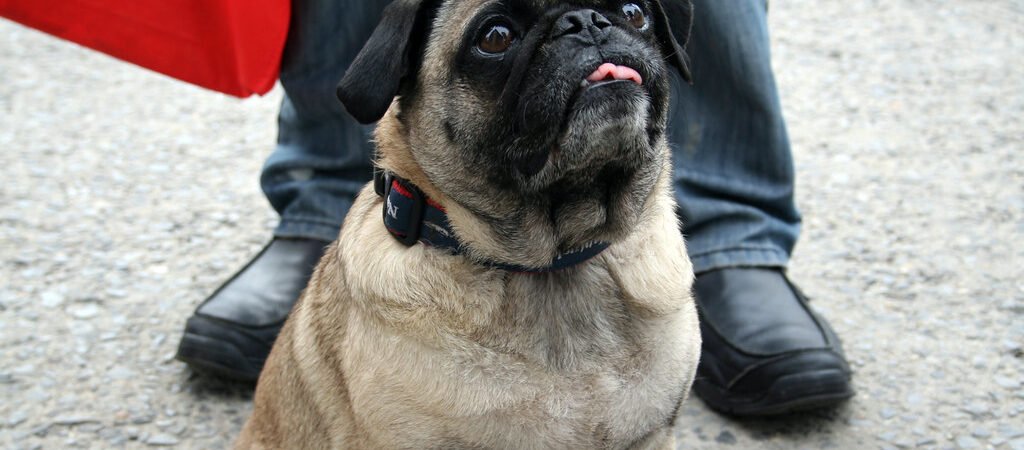
Photo: "overweight pug, senior dog" by Petful.com, licensed under CC BY 2.0. Source.