Table of Contents
- Why Senior Visits Need More Preparation
- What to Track Before the Appointment
- Key Questions About Screening and Prevention
- Asking About What’s Normal Versus Concerning
- Don’t Skip the Dental and Mobility Conversation
- Talking About Cost Without Awkwardness
- Bringing a Written List Actually Helps
- Following Up Between Visits
How PawSeniors Researches This
PawSeniors articles are written and edited in-house, then checked against primary veterinary sources before publishing.
- Every medical claim is sourced to the American Kennel Club, PetMD, VCA Animal Hospitals, or another named veterinary source, linked at the end of the article.
- Every claim is tied to a named, checkable veterinary source linked at the end of the article — nothing is published without a reference you can verify yourself.
- Articles are updated when veterinary guidance changes.
Senior pet vet visits carry more weight than a routine puppy or kitten checkup, and walking in with a clear plan for what to ask and mention makes a genuine difference in how much useful information you walk out with.
Why Senior Visits Need More Preparation
A senior wellness visit typically covers more ground than earlier-life checkups, additional bloodwork, more detailed questions about behavior and daily function, and a broader physical exam looking for the kinds of subtle changes that matter more at this life stage. Because appointment time is limited, walking in with specific observations and questions prepared, rather than a general “just checking in,” helps make sure the details that actually matter to your pet’s care don’t get lost in a short visit.
What to Track Before the Appointment
In the weeks leading up to a senior wellness visit, it’s worth deliberately noting any changes you’ve observed, even ones that seem minor or that you’re not sure are significant: appetite or thirst changes, altered sleep patterns, new stiffness or reluctance to jump or climb stairs, changes in bathroom habits, new lumps, or shifts in behavior or social engagement. Bringing this list, rather than relying on memory in the moment, ensures nothing gets forgotten once you’re actually in the exam room.
Key Questions About Screening and Prevention
Ask directly what health screenings are recommended at your pet’s current age and health status, since additional lab work, a complete blood count, chemistry panel, and urinalysis, is commonly recommended once pets reach middle age and beyond, even for pets showing no obvious symptoms. These proactive screenings are specifically designed to catch problems in their earliest, most treatable stages, which is a meaningfully different goal than testing only once symptoms have already appeared.
Asking About What’s Normal Versus Concerning
One of the more genuinely useful questions to ask is simply what age-related changes to expect going forward, since having a general sense of what’s likely normal aging versus what would be a concerning departure from that helps you know when to call between visits rather than either overreacting to normal changes or underreacting to genuine warning signs. Following up with how you can help maintain quality of life day to day, diet, exercise, and environment adjustments specific to your pet’s current condition, turns the visit into an active care-planning conversation rather than a passive check-up.
Don’t Skip the Dental and Mobility Conversation
Dental health and mobility support are easy to underdiscuss in a routine visit but matter enormously for senior quality of life. Ask about a realistic home tooth-brushing routine and whether a professional cleaning is due, and specifically ask whether your pet would benefit from mobility aids, non-slip mats, ramps, or supportive gear, rather than waiting for mobility problems to become obvious before bringing it up.
Talking About Cost Without Awkwardness
Senior pet care can get genuinely expensive, and it’s a completely reasonable, normal part of the conversation to ask upfront what a recommended test or treatment actually costs, and whether a lower-cost alternative exists that still meaningfully addresses the issue. Most vets would rather have this conversation directly than have a treatment plan derailed partway through by an unexpected cost, so raising it early, rather than avoiding the topic, generally leads to a plan that’s realistic for your specific situation from the start.
Bringing a Written List Actually Helps
It’s easy to blank on questions once you’re sitting in the exam room, especially with a pet who’s anxious or a vet moving through the appointment efficiently. Writing down your specific observations and questions beforehand, and referring to that list directly during the visit rather than trying to remember everything, ensures the details that prompted you to prepare in the first place actually get addressed before the appointment ends.
Following Up Between Visits
Ask your vet directly what specific changes should prompt a call before the next scheduled visit, rather than waiting to bring new concerns up at the following appointment months later. Having this threshold clearly established in advance, rather than guessing in the moment whether something is worth an extra call, removes the hesitation that sometimes delays owners from reaching out when a new symptom first appears, which is often exactly when early intervention matters most.
Sources: PetMD — 5 Senior Pet Questions Answered by a Vet, AKC Pet Insurance — Annual Vet Visit Prep for Pet Owners.
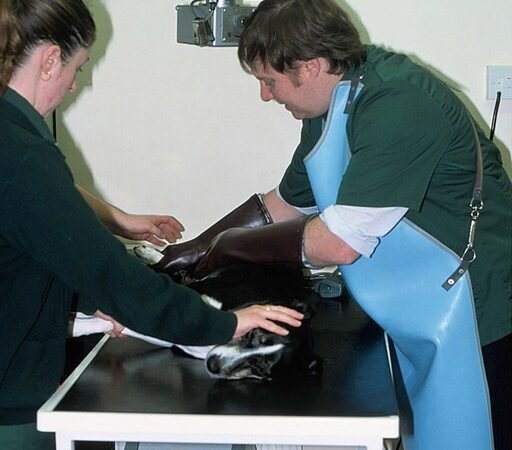
Photo: "Domestic pet. Dog health checkup" by Wellcome Collection, licensed under CC BY 4.0. Source.