Table of Contents
- What Cataracts Actually Are
- Surgery Success Rates Are Genuinely High
- Is a Senior Dog Too Old for the Surgery?
- What the Procedure and Recovery Involve
- Weighing Cost Against Quality of Life
- Living With Cataracts Without Surgery
- Questions Worth Asking a Veterinary Ophthalmologist
- Diabetic Cataracts: A Special Case
How PawSeniors Researches This
PawSeniors articles are written and edited in-house, then checked against primary veterinary sources before publishing.
- Every medical claim is sourced to the American Kennel Club, PetMD, VCA Animal Hospitals, or another named veterinary source, linked at the end of the article.
- Every claim is tied to a named, checkable veterinary source linked at the end of the article — nothing is published without a reference you can verify yourself.
- Articles are updated when veterinary guidance changes.
A senior dog’s eyes turning cloudy or bluish-gray is one of the more visually obvious signs of aging, and it often leaves owners with the same question: is cataract surgery actually worth pursuing, or is it an unnecessary intervention for a dog who’s adapting fine without it?
What Cataracts Actually Are
A cataract is a clouding of the eye’s lens, which normally stays clear to let light pass through and focus properly on the retina. As a cataract develops, that clouding blocks and scatters light, gradually reducing vision, and in advanced cases can lead to complete blindness in the affected eye. Cataracts are common in senior dogs, though they can also develop earlier due to diabetes, genetics, or eye injury, which is part of why a vet exam matters even when a cloudy eye seems like an obvious age-related change.
Surgery Success Rates Are Genuinely High
For dogs who are good surgical candidates, cataract surgery has a strong track record: it’s successful in restoring vision in roughly eighty to ninety percent of cases. Within a few weeks of surgery, many dogs regain vision close to what it was before cataracts developed, and owners frequently describe their dog acting noticeably more like their younger self, more willing to play, navigate confidently, and engage with their surroundings, once vision is restored.
Is a Senior Dog Too Old for the Surgery?
Age alone doesn’t rule a dog out; some dogs in their early teens are still considered good surgical candidates, and the deciding factor is a dog’s overall health and anesthesia risk rather than their age on paper. A vet ophthalmologist evaluates the whole picture, general health, other eye structures, and anesthesia risk, to determine candidacy, which is why this decision genuinely needs a specialist consultation rather than a general assumption about what’s appropriate for an older dog.
What the Procedure and Recovery Involve
Cataract surgery removes the clouded lens and typically replaces it with an artificial one, similar in concept to the procedure done in humans. Dogs usually go home the same day or the following day, with a recovery period involving an e-collar to prevent rubbing, eye drops administered on a strict schedule, and activity restrictions for several weeks while the eye heals. This aftercare routine is a real commitment, and owners considering the surgery should weigh it honestly alongside the potential benefit, since the surgery’s success depends partly on how consistently the post-operative care plan is followed.
Weighing Cost Against Quality of Life
Cataract surgery is a genuine financial commitment, generally running from around two thousand seven hundred to four thousand dollars depending on the practice and region. Whether that cost is worth it is a personal calculation that depends heavily on a specific dog: an active dog who loved running, playing fetch, and navigating confidently, and whose quality of life has visibly declined with vision loss, often benefits enormously. A calmer, less active senior dog who’s already adapting well to a familiar home layout without much visible distress may get comparatively less added benefit relative to the cost and recovery demands, which is worth discussing candidly with your vet rather than assuming surgery is automatically the right call for every dog with cataracts.
Living With Cataracts Without Surgery
For dogs who aren’t good surgical candidates, or for owners who decide against the procedure, dogs generally adapt remarkably well to gradual vision loss, especially in a familiar home. Keeping furniture and floor layout consistent, using verbal cues more than visual ones, and adding some of the same practical adjustments used for other forms of vision loss all help a dog with cataracts continue navigating their world confidently even without surgical correction.
Questions Worth Asking a Veterinary Ophthalmologist
Before deciding on surgery, it’s worth asking specifically what percentage of vision your dog is estimated to have lost already, whether both eyes are affected or just one, and what the realistic recovery timeline and success probability looks like for your dog’s specific case, health history, and cataract stage. It’s also worth asking what happens if you choose not to pursue surgery, since untreated cataracts can sometimes lead to secondary complications like inflammation or glaucoma within the eye itself, which changes the calculation beyond just the vision loss alone.
Diabetic Cataracts: A Special Case
Cataracts in diabetic dogs tend to develop unusually fast, sometimes within days to weeks of a diabetes diagnosis, rather than the gradual years-long progression typical of purely age-related cataracts. This rapid onset is a known complication of the disease itself rather than a sign anything was done wrong in managing the diabetes, and it’s worth discussing proactively with your vet as part of a new diabetes diagnosis, since the surgical window and considerations can differ somewhat from age-related cataracts.
Sources: PetMD — Cataract Surgery for Dogs: Everything You Need to Know, VCA Animal Hospitals — Treating Your Pet for Cataracts.
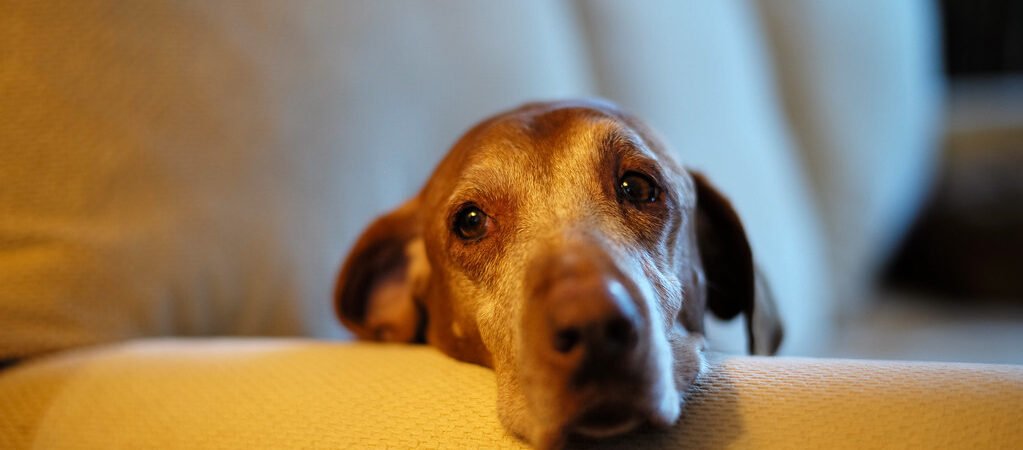
Photo: "The Head of an Old Dog (Explored)" by rboed, licensed under CC BY 2.0. Source.