Table of Contents
How PawSeniors Researches This
PawSeniors articles are written and edited in-house, then checked against primary veterinary sources before publishing.
- Every medical claim is sourced to the American Kennel Club, PetMD, VCA Animal Hospitals, or another named veterinary source, linked at the end of the article.
- Every claim is tied to a named, checkable veterinary source linked at the end of the article — nothing is published without a reference you can verify yourself.
- Articles are updated when veterinary guidance changes.
A senior dog’s eye suddenly turning red, bulging, or clouding over is one of the true veterinary emergencies that can’t wait for a next-day appointment. Glaucoma can destroy vision permanently in under twenty-four hours, which makes recognizing the signs immediately genuinely sight-saving.
What Glaucoma Actually Is
Glaucoma develops when fluid pressure inside the eye rises to dangerous levels, either because fluid production increases or, far more commonly, because normal drainage from the eye becomes blocked. That rising pressure damages the optic nerve and retina, and because this damage happens quickly and is largely irreversible once it occurs, glaucoma is treated as a true emergency rather than a condition to monitor and revisit later.
The Signs That Mean Get to a Vet Immediately
A bulging eye, sudden cloudiness or a bluish tint to the cornea, intense redness of the white part of the eye, and sudden vision loss or disorientation are all signs that warrant an emergency vet visit right away, not a wait-and-see approach. Pain signs matter just as much as the visual changes: a dog partially closing or rubbing at the affected eye, pulling away when that side of the head is touched, or showing general signs of distress like whining or avoiding light all point toward the kind of significant discomfort glaucoma causes.
Why Speed Matters So Much Here
Untreated acute glaucoma can destroy vision in the affected eye in less than twenty-four hours, which is a dramatically shorter window than most other eye conditions allow for. This is precisely why any combination of these signs, especially a visibly bulging or cloudy eye paired with obvious pain, deserves an emergency vet visit the same day, ideally within hours, rather than being scheduled as a routine appointment for later in the week.
Primary Versus Secondary Glaucoma
Glaucoma can be primary, an inherited predisposition in certain breeds where the eye’s drainage structure itself is abnormal, or secondary, developing as a complication of another eye problem like inflammation, a dislocated lens, or a tumor. This distinction matters for treatment and also for prevention going forward, since a dog who develops primary glaucoma in one eye has a meaningfully elevated risk of developing it in the second eye eventually, which changes how closely that eye needs to be monitored afterward.
Treatment: An Emergency Response
Emergency treatment focuses on rapidly lowering eye pressure through medication, sometimes injected, sometimes as eye drops, to try to preserve as much vision as possible before permanent damage sets in. Depending on the cause, response to initial treatment, and whether useful vision can realistically be saved, further treatment may include ongoing pressure-lowering medication, laser treatment, or in cases where the eye is already blind and painful, surgical removal of the eye itself to eliminate chronic pain, a difficult but sometimes genuinely kindest option for a dog’s long-term comfort.
Protecting the Second Eye
For dogs diagnosed with primary glaucoma in one eye, preventive monitoring and sometimes preventive medication for the unaffected eye becomes an important ongoing part of care, since the risk to that second eye is real and meaningful. Regular eye pressure checks, even when the second eye looks completely normal, let a vet catch early pressure changes before they progress to the same emergency situation the first eye went through, giving a genuinely better chance at preserving vision in that eye long-term.
Breeds With Higher Genetic Risk
Certain breeds carry a higher inherited risk of primary glaucoma due to differences in eye drainage structure, including Cocker Spaniels, Basset Hounds, Chow Chows, Shar-Peis, and several terrier breeds. Owners of these breeds benefit from knowing this risk exists before an emergency happens, since recognizing the early warning signs quickly matters even more when a breed is already predisposed, and some owners of high-risk breeds choose to have baseline eye pressure checked periodically as a proactive measure.
After Treatment: Living With Reduced or Lost Vision
For dogs who lose vision in one or both eyes despite treatment, adapting tends to go more smoothly than owners initially fear, especially with consistent home layout and verbal cues replacing visual ones. Many of the same adjustments used for vision loss from other causes, keeping furniture in place, using scent and sound cues, and being especially cautious about stairs and pool edges, apply directly here, and a genuinely large share of dogs living with blindness go on to move around their homes with real confidence within a matter of weeks.
Sources: VCA Animal Hospitals — Glaucoma in Dogs, PetMD — Glaucoma in Dogs: What Is It, and What Are the Symptoms?.
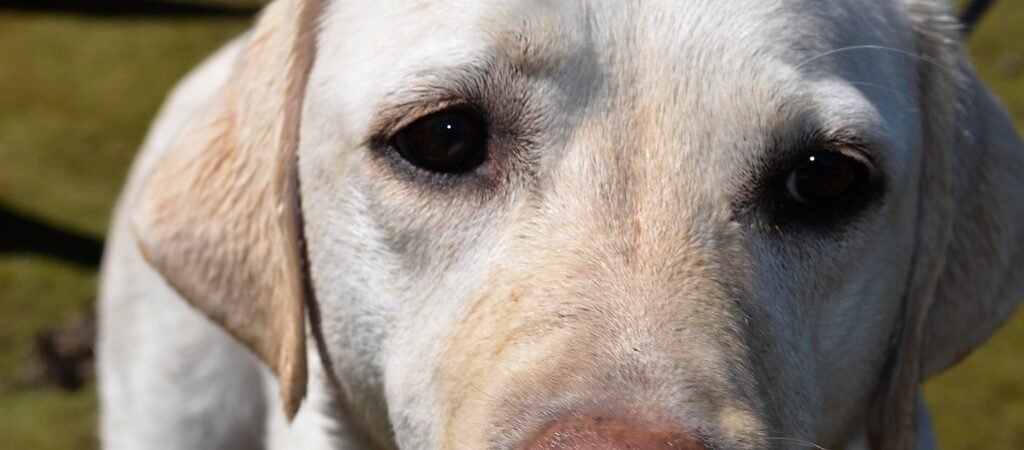
Photo: "Compassionate Labrador Retriever Face" by sonstroem, licensed under CC BY 2.0. Source.