Table of Contents
How PawSeniors Researches This
PawSeniors articles are written and edited in-house, then checked against primary veterinary sources before publishing.
- Every medical claim is sourced to the American Kennel Club, PetMD, VCA Animal Hospitals, or another named veterinary source, linked at the end of the article.
- Every claim is tied to a named, checkable veterinary source linked at the end of the article — nothing is published without a reference you can verify yourself.
- Articles are updated when veterinary guidance changes.
Cats are generally considered senior starting around age 10, though the Feline Veterinary Medical Association notes some cats show senior-level changes earlier depending on breed and health history, according to PetMD. Their nutritional needs shift meaningfully at this stage — not just “less food,” but a different balance of nutrients entirely.
What Actually Changes
- Calorie needs drop. An adult cat needs roughly 20 calories per pound daily; a senior cat typically needs closer to 15 calories per pound, reflecting a slower metabolism and lower activity level. Some older seniors are the exception and actually need more calories to maintain a healthy weight — which is exactly why a vet-guided plan matters more than a generic rule.
- Protein still matters. Along with carbohydrates, quality protein helps senior cats maintain body weight and energy levels even as calorie needs fall.
- Phosphorus needs to drop. As kidney function naturally declines with age, cats become less able to clear excess phosphorus, making lower-phosphorus diets a common recommendation — particularly relevant since kidney disease is one of the most common senior cat conditions.
- Omega-3s and antioxidants help more. Omega-3 fatty acids support skin, coat, and joints while reducing inflammation. Antioxidants — vitamins E, C, A, carotenoids, and selenium — help offset cellular damage that accumulates with age.
- Carnitine supports muscle and heart. This nutrient plays a role in maintaining muscle mass and heart function in older cats, both areas prone to decline.
- Fiber supports digestion. Aging digestive systems often benefit from the added fiber found in senior-formulated diets.
Reading a Cat Food Label With Senior Needs in Mind
An AAFCO nutritional adequacy statement confirming the food meets standards for “adult maintenance” or “all life stages” is worth checking before assuming a senior-labeled bag is nutritionally complete on its own. Beyond that, the ingredient list matters more than the marketing on the front: a named animal protein (chicken, salmon, turkey) listed first is a stronger signal of quality than a vague “meat meal,” and checking the phosphorus and protein percentages against what your vet recommends for your specific cat is more useful than trusting the word “senior” to have handled it automatically.
Hydration Deserves Its Own Attention
Senior cats often need to drink more water than younger cats to help protect kidney function — but cats are notoriously poor self-hydrators to begin with. Water fountains (many cats prefer moving water) and hydration-boosting supplements or wet food can meaningfully increase intake without relying on a cat to simply drink more from a bowl.
Signs of a Nutrient Deficiency
Watch for a cluster of these signs rather than any single one in isolation:
- Dull coat or noticeable fur loss
- Diarrhea or constipation
- Vomiting
- Low energy or reduced appetite
- Unexplained weight loss or gain
- Behavioral changes such as new aggression, fearfulness, or confusion
- Infections that keep recurring
Several of these overlap with signs of other senior cat conditions (kidney disease, hyperthyroidism, dental pain), which is exactly why a vet visit — not a food swap — should be the first response.
Before You Switch Foods
As with dogs, don’t switch a senior cat to a new formula based on age alone. A full veterinary evaluation — physical exam, diet history, bloodwork, and urinalysis — identifies what your specific cat needs, since an underweight senior with early kidney disease and an overweight senior with arthritis need very different diets despite both being “senior cats.”
Sources: PetMD — Senior Cat Nutrition: What To Know for Your Cat, PetMD — 10 Most Common Illnesses in Senior Cats.
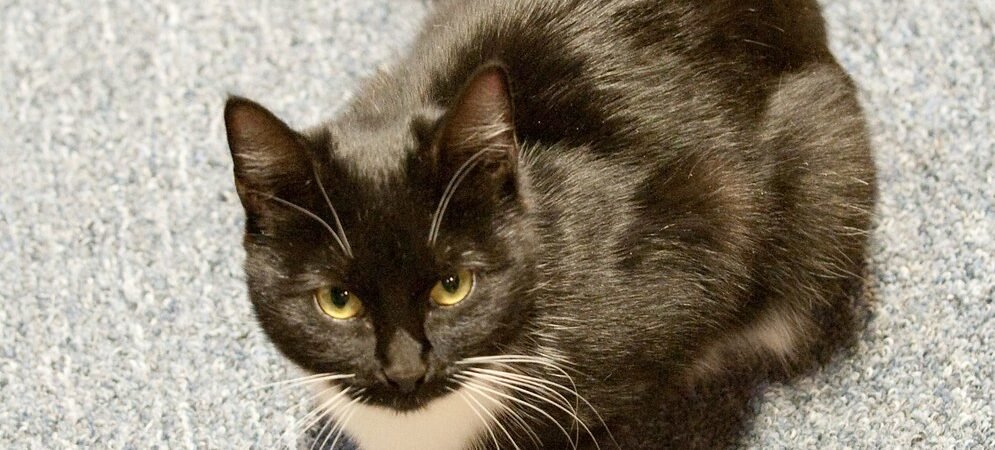
Photo: “Stray Cat” by Dwight Sipler, licensed under CC BY 2.0.