Table of Contents
How PawSeniors Researches This
PawSeniors articles are written and edited in-house, then checked against primary veterinary sources before publishing.
- Every medical claim is sourced to the American Kennel Club, PetMD, VCA Animal Hospitals, or another named veterinary source, linked at the end of the article.
- Every claim is tied to a named, checkable veterinary source linked at the end of the article — nothing is published without a reference you can verify yourself.
- Articles are updated when veterinary guidance changes.
Cats are considered senior starting around age 10, and by 11 to 14 they’re formally classified as senior, with cats 15 and older considered geriatric, according to the American Association of Feline Practitioners guidance summarized by PetMD. The challenge is that cats are naturally good at hiding illness, so by the time a problem is obvious, it’s often been developing for a while.
10 Conditions That Become More Common With Age
- Kidney disease — a progressive loss of kidney function that’s manageable with diet and treatment but not curable, making early detection valuable.
- Diabetes — typically develops in middle to senior age and requires daily insulin plus a strict diet once diagnosed.
- Hyperthyroidism — overproduction of thyroid hormone, usually from a benign tumor, that speeds up metabolism.
- Dental disease — left untreated, it can lead to infections that affect more than just the mouth. Watch for hesitancy to eat or a switch to soft food.
- Cancer — including lymphoma, mast cell tumors, and squamous cell carcinoma.
- Cognitive decline (dementia) — age-related nerve cell changes that affect memory and awareness, similar to CDS in dogs.
- Arthritis — remarkably common: roughly 90% of cats aged 12 and older have some degree of arthritis, often showing up as trouble jumping onto furniture or getting into the litter box.
- Hearing and vision loss — sometimes a standalone aging change, sometimes secondary to another underlying condition.
- Gastrointestinal disease — vomiting, diarrhea, or unexplained weight loss can point to a range of GI conditions in older cats.
- Heart disease — most commonly hypertrophic cardiomyopathy, which can be silent until it’s advanced.
Warning Signs That Mean “Call the Vet”
Weight loss, appetite changes, and behavior shifts are the three red flags that consistently show up across these conditions — they’re non-specific, but they’re rarely nothing. Blood in urine or stool always warrants immediate veterinary care rather than a wait-and-see approach, since it can indicate anything from a urinary infection to bladder stones.
A subtler sign worth watching for: a drop in grooming. Cats in pain — especially from arthritis — often groom less because twisting to reach certain spots hurts, which can leave their coat looking unkempt or matted.
Building a Simple At-Home Watch List
Most of these conditions are easier to catch when there’s something to compare against, rather than relying on memory alone. A monthly weigh-in (a kitchen scale works fine for most cats, or step on a bathroom scale holding the cat and subtract your own weight), a rough sense of how much water is in the bowl day to day, and simply noticing whether the litter box needs scooping more or less often than usual all build a baseline that makes a real change easier to spot. None of this replaces a vet visit, but it turns “something feels off” into something specific enough to actually tell the vet.
Why the Same Sign Can Mean Different Things
Weight loss shows up in kidney disease, diabetes, and hyperthyroidism alike, which is exactly why a vet doesn’t diagnose from symptoms alone. Bloodwork and urinalysis are what actually separate these conditions from each other — a cat losing weight despite a normal or increased appetite points toward hyperthyroidism or diabetes, while weight loss paired with a poor appetite leans more toward kidney disease or a GI issue, but only lab work confirms which one is actually happening.
The Case for Twice-Yearly Checkups
Because cats mask illness so effectively, routine checkups every six months (rather than the annual visit that’s fine for younger cats) give a vet the best chance of catching bloodwork changes or early symptoms before a condition progresses. For senior cats, “wait and see if it gets worse” is rarely the safer option.
Sources: PetMD — 10 Most Common Illnesses in Senior Cats, VCA Animal Hospitals — Arthritis in Cats.
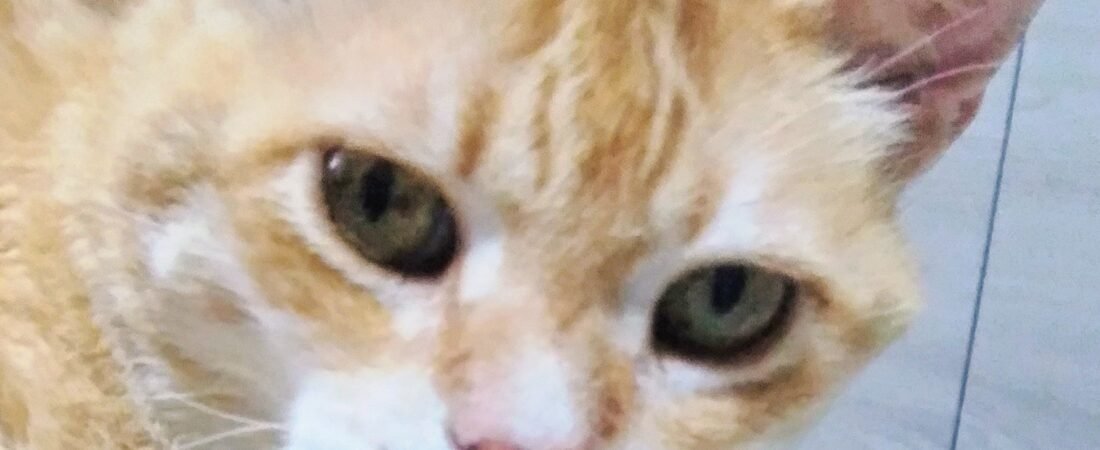
Photo: “Tony senior cat 6-6-22” by Jeanne Griffin, licensed under CC BY-SA 4.0.