Table of Contents
How PawSeniors Researches This
PawSeniors articles are written and edited in-house, then checked against primary veterinary sources before publishing.
- Every medical claim is sourced to the American Kennel Club, PetMD, VCA Animal Hospitals, or another named veterinary source, linked at the end of the article.
- Every claim is tied to a named, checkable veterinary source linked at the end of the article — nothing is published without a reference you can verify yourself.
- Articles are updated when veterinary guidance changes.
A senior cat drinking and urinating far more than usual, eating like never before, yet steadily losing weight is showing one of the clearest patterns in feline medicine: diabetes mellitus. Unlike in dogs, feline diabetes comes with a genuinely hopeful possibility that’s worth understanding from the start, remission.
Why Cats Are Different From Dogs Here
Feline diabetes most closely resembles type 2 diabetes in humans, where the body’s cells become resistant to insulin’s effects, often connected to obesity, rather than the body failing to produce insulin at all. This distinction matters practically: because insulin resistance can improve or even reverse with the right combination of weight loss, diet, and early treatment, a meaningful share of diabetic cats can eventually come off insulin entirely, something that’s far less common in diabetic dogs, where the underlying mechanism is usually a permanent loss of insulin production.
Signs to Watch For
The hallmark signs mirror what’s seen in diabetic dogs: increased thirst, increased urination, increased appetite, and weight loss despite eating more. Left untreated, diabetes in cats can progress to vomiting, dehydration, lethargy, vision changes, labored breathing, and in advanced cases, a life-threatening complication called diabetic ketoacidosis. Because senior cats already tend to show subtle appetite and thirst changes with age, these signs are easy to miss individually, which is exactly why the combination, more thirst and more food but less weight, is the pattern worth acting on rather than any single change alone.
How Diagnosis Works
Diagnosis is generally confirmed through bloodwork showing persistently elevated blood glucose, along with glucose present in the urine. Because stress alone can temporarily spike a cat’s blood sugar during a vet visit, a notoriously common issue in cats more than dogs, vets often rely on a second marker called fructosamine, which reflects average blood sugar over the preceding one to three weeks rather than a single moment, to avoid a stress-related false positive.
Treatment: Insulin and Diet Together
Insulin injections and dietary change are the two central pillars of managing feline diabetes, and they work best used together rather than either alone. Most diabetic cats need insulin injections twice daily, and while the idea of injecting a cat sounds daunting to most new owners, the needles used are extremely fine and most cats tolerate the injections with far less distress than owners expect going in. Diet is just as important as insulin: a low-carbohydrate diet reduces the amount of glucose entering the bloodstream after meals in the first place, easing the burden on insulin therapy and, for some cats, playing a direct role in whether remission becomes possible at all.
The Real Possibility of Remission
Diabetic remission, defined as maintaining normal blood glucose for more than four weeks without needing insulin, is a genuine, achievable outcome for a meaningful portion of diabetic cats, not a rare fluke. Cats who start insulin therapy early and are monitored closely tend to have better odds of reaching remission, and interestingly, older cats, cats previously treated with steroid medications, and cats managed with certain longer-acting insulin types have all been associated with higher remission rates in research. Remission isn’t guaranteed, and some cats who achieve it later relapse and need to restart insulin, but it’s exactly why early, aggressive, well-monitored treatment matters so much in the first weeks and months after diagnosis, rather than settling into indefinite insulin as the only assumed outcome.
Monitoring at Home
Many owners of diabetic cats eventually learn to check blood glucose at home using a small handheld glucometer, checking a tiny blood sample from the ear, which reduces the stress of frequent vet visits and gives a more accurate everyday picture than occasional in-clinic readings, since cats commonly show falsely elevated glucose from stress in a clinical setting. Home monitoring is done in partnership with your vet, not as a replacement for their guidance, since insulin dose changes should still go through a professional even when you’re the one collecting the numbers day to day.
Watching for Low Blood Sugar
The flip side of insulin therapy is the risk of hypoglycemia, blood sugar dropping too low, which can happen if a dose is miscalculated, a cat eats less than usual, or insulin needs shift over time. Signs include lethargy, loss of appetite, weakness, a noticeably low body temperature, and in severe cases, tremors or seizures. Any of these signs after an insulin dose warrants an immediate response, typically offering food or a small amount of corn syrup on the gums if a cat is too weak to eat, followed by an urgent call to your vet, since untreated severe hypoglycemia can become life-threatening quickly.
Weight and Diet Beyond the Diabetes Diagnosis
Because obesity is one of the strongest known risk factors for feline diabetes in the first place, weight management stays central to treatment even after a diagnosis, not just as prevention beforehand. A cat who loses excess weight gradually, under veterinary guidance, often needs less insulin over time as their body’s sensitivity to it improves, which is part of why weight loss and remission odds are so closely linked in the research. This needs to happen slowly and carefully in a diabetic cat, since rapid weight loss carries its own separate health risks, particularly a serious liver condition called hepatic lipidosis, so any weight-loss plan for a diabetic cat should be built and monitored by your vet rather than attempted independently.
What a Typical Follow-Up Schedule Looks Like
After starting insulin, most diabetic cats need fairly close monitoring at first, often a glucose curve, tracking blood sugar over several hours, within the first one to two weeks to confirm the starting dose is appropriate, with adjustments as needed. Once a cat stabilizes on an effective dose, monitoring typically spaces out to periodic rechecks, still consistent enough to catch a cat drifting toward remission, or conversely needing a dose increase, before either goes unnoticed for long. This follow-up rhythm is what makes catching remission possible in the first place; a cat whose insulin needs are quietly dropping toward zero can only be caught with this kind of ongoing tracking, not a single annual check.
Sources: PetMD — Diabetes in Cats: Signs, Treatment, and Prognosis, VCA Animal Hospitals — Diabetic Remission in Cats.
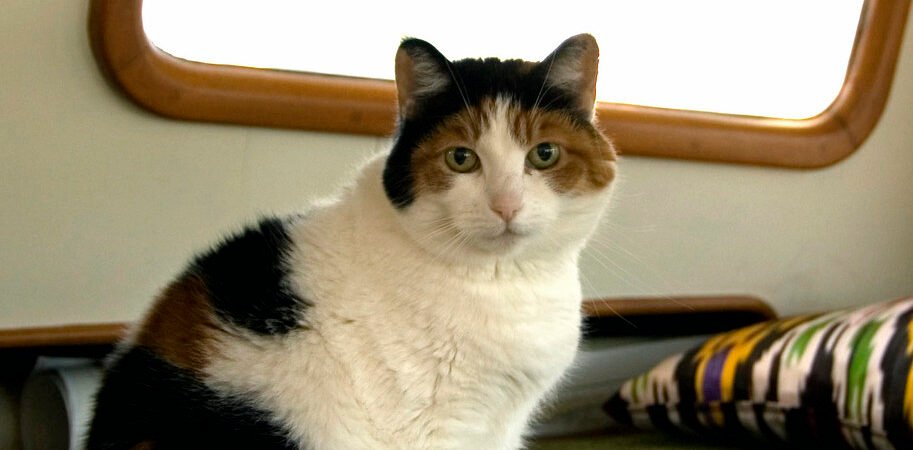
Photo: "Lucy the Cat" by A.Davey, licensed under CC BY 2.0. Source.