Table of Contents
How PawSeniors Researches This
PawSeniors articles are written and edited in-house, then checked against primary veterinary sources before publishing.
- Every medical claim is sourced to the American Kennel Club, PetMD, VCA Animal Hospitals, or another named veterinary source, linked at the end of the article.
- Every claim is tied to a named, checkable veterinary source linked at the end of the article — nothing is published without a reference you can verify yourself.
- Articles are updated when veterinary guidance changes.
A senior cat that stops eating for a few days doesn’t just lose weight the way a person skipping meals would. In cats specifically, prolonged appetite loss can trigger a genuine liver emergency, one that’s largely unique to the species and can turn serious faster than most owners expect.
Why Feline Liver Disease Looks Different From Other Species
Cats process fat differently than dogs or people do, and that difference is exactly what makes their most common liver disease possible in the first place. When a cat stops eating for several days, the body starts mobilizing fat reserves for energy, but a cat’s liver isn’t well equipped to process that sudden fat load efficiently. Fat accumulates inside liver cells faster than the liver can handle, impairing the organ’s function at the exact moment the body needs it working normally.
Hepatic Lipidosis: The Cat-Specific Emergency
Hepatic lipidosis, sometimes called fatty liver syndrome, is one of the most common liver diseases in cats and is essentially unique to the species in how directly it’s triggered by not eating. It typically follows three to four consecutive days of little or no food intake, and the risk is higher in cats who were overweight before the fasting period began, since there’s more fat available to overwhelm the liver. Signs include dramatic weight loss, often more than 25% of body weight, along with vomiting, lethargy, and diarrhea. Left untreated, hepatic lipidosis can become life-threatening, which is exactly why any senior cat eating significantly less or refusing food for more than a day or two needs veterinary attention rather than a wait-and-see approach.
Cholangitis and Cholangiohepatitis
Separate from hepatic lipidosis, cholangitis (inflammation of the bile ducts) and cholangiohepatitis (when that inflammation extends into the surrounding liver tissue) are among the other liver conditions that show up in senior cats. These typically cause chronic vomiting and reduced appetite, and if left unaddressed, can themselves progress into hepatic lipidosis, since the appetite loss they cause creates the same fasting-driven risk described above. This overlap is part of why a cat with ongoing digestive symptoms benefits from an actual diagnosis rather than symptom management alone — the underlying cause changes the treatment plan significantly.
Signs to Watch For
- Reduced or absent appetite lasting more than a day or two, especially in a cat who’s typically a reliable eater.
- Yellowing of the gums, ears, or whites of the eyes (jaundice), a sign the liver isn’t processing bilirubin normally.
- Vomiting or diarrhea that persists rather than resolving within a day.
- Lethargy beyond typical senior cat rest patterns.
- Noticeable weight loss over a short period, particularly following any stretch of reduced eating.
How It’s Diagnosed
Bloodwork checking liver enzyme levels is the starting point, and it’s often part of routine senior wellness panels even before symptoms appear, which is one reason twice-yearly senior checkups catch more than owners watching for symptoms at home. Imaging, usually an ultrasound, lets a vet see the liver’s structure and confirm findings like fat accumulation or bile duct inflammation directly rather than inferring them from blood values alone. In some cases, a liver biopsy or fine needle sample provides the most definitive answer, particularly when it’s important to distinguish between hepatic lipidosis, cholangitis, and other less common causes of liver dysfunction.
Treatment and Recovery
For hepatic lipidosis specifically, treatment centers on getting nutrition back into the cat as reliably as possible, often through a feeding tube placed temporarily, since a cat that won’t eat voluntarily can’t out-eat the underlying problem no matter how motivated an owner is to coax them. This sounds more drastic than it usually plays out: many cats tolerate feeding tubes well and go on to recover fully once consistent nutrition breaks the fasting-liver cycle. Cholangitis is typically managed with medication addressing the underlying inflammation or infection, sometimes alongside supportive care similar to hepatic lipidosis if appetite has already been affected. Recovery timelines vary by cause and how early treatment started, which circles back to why prompt attention to reduced appetite matters so much in this specific condition.
Why Appetite Loss Is the Single Most Important Warning Sign
Across nearly every cause of feline liver disease, reduced appetite is both an early symptom and, in the case of hepatic lipidosis, part of what actually drives the disease forward. That two-way relationship, appetite loss as symptom and appetite loss as cause, is what makes it worth treating differently in cats than the same symptom might be treated in a dog or a person. A senior cat who skips one meal is usually fine; a senior cat eating little to nothing for more than 24 to 48 hours has crossed into territory that deserves a same-day or next-day vet visit, not a few more days of watching and waiting.
The Bottom Line
Feline liver disease, especially hepatic lipidosis, is one of the clearest examples in senior cat care where a seemingly ordinary symptom, not eating much, carries more urgency than it would elsewhere. Catching reduced appetite early and getting a cat back to reliable eating, with veterinary support if needed, is the single most effective thing an owner can do to keep a manageable situation from becoming a genuine emergency.
Sources: VCA Animal Hospitals — Hepatic Lipidosis in Cats (Fatty Liver Syndrome), PetMD — Liver Disease in Cats.
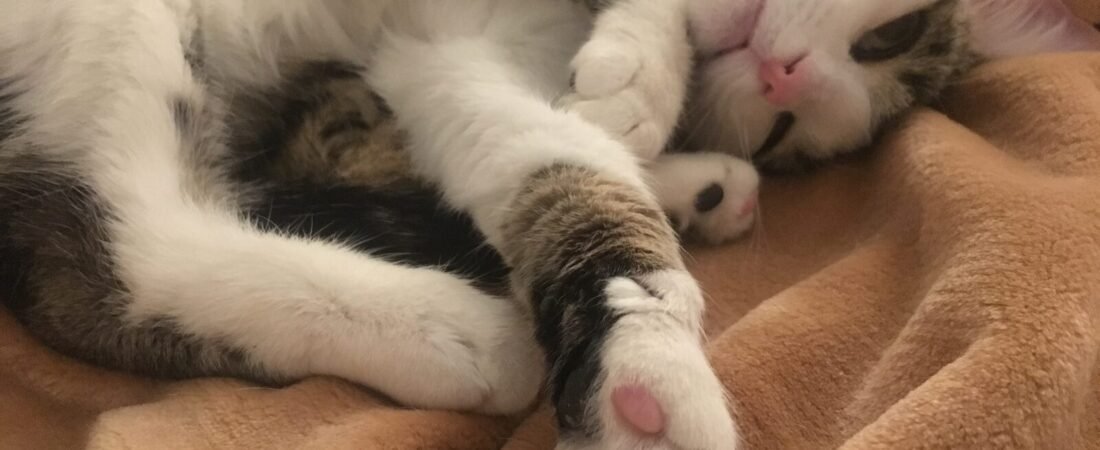
Photo: “Cat in repose” by Ezec19, licensed under CC BY-SA 4.0.