Anesthesia Safety for Senior Pets: What to Ask Before Surgery or a Dental Cleaning
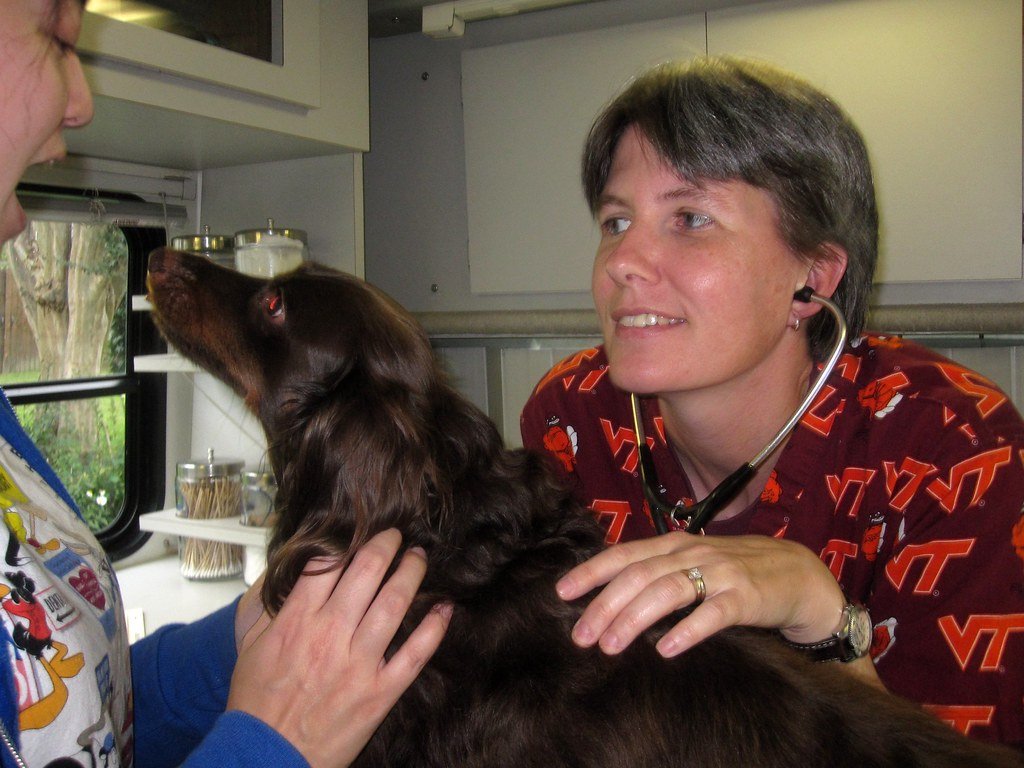
“Is my dog too old for anesthesia?” is one of the most common questions vets hear from owners of senior pets, usually asked right before a…
Read More
Seizures in Senior Dogs: New-Onset Epilepsy Explained
A senior dog collapsing into a seizure for the first time is one of the more frightening things an owner can witness, made worse by the…
Read More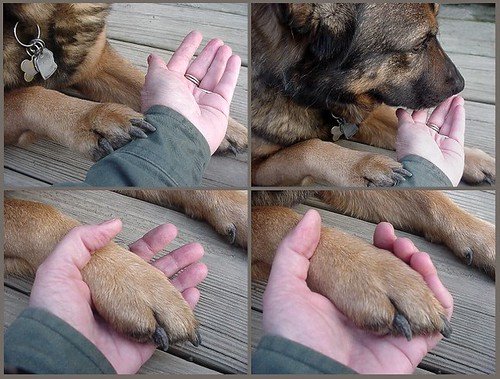
Pet Hospice and End-of-Life Care: What It Involves
Not every senior pet’s journey ends with a sudden decision. For pets diagnosed with a terminal or progressive illness, hospice, or palliative, care offers a structured…
Read More
Lipomas in Senior Dogs: What That Lump Under the Skin Usually Means
Finding a new, soft lump under your senior dog’s skin is one of the more common, and more anxiety-inducing, discoveries an owner makes. In the large…
Read More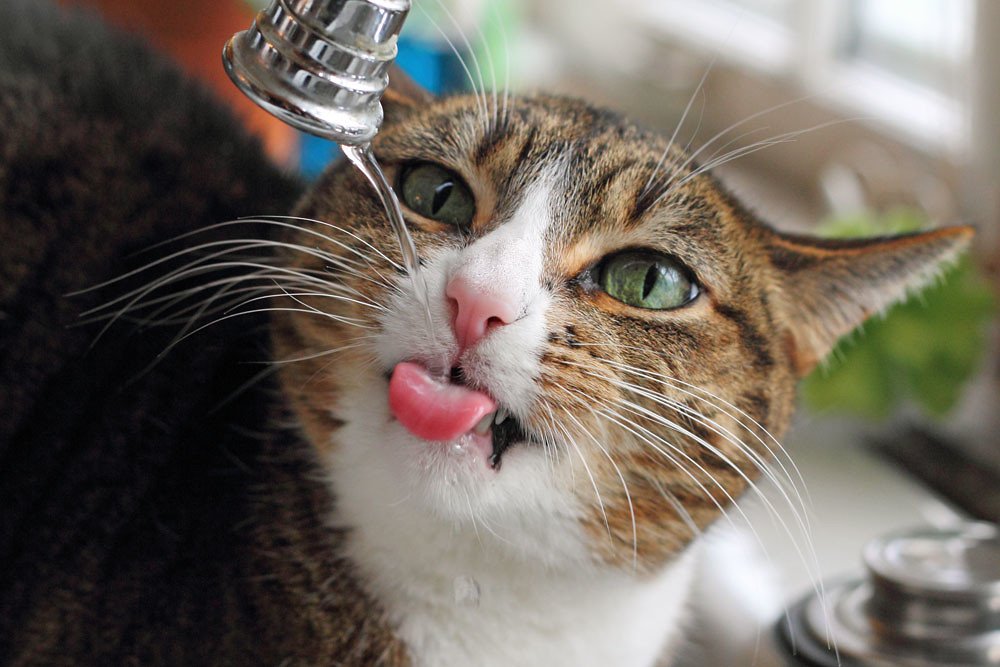
Chronic Kidney Disease in Senior Cats: Signs and Management
Chronic kidney disease is, by a wide margin, one of the most common conditions senior cats face, affecting an estimated 30 to 40 percent of cats…
Read More
Hyperthyroidism in Senior Cats: Signs and Treatment
A senior cat who’s suddenly eating like never before, yet steadily losing weight, is showing one of the most recognizable patterns in feline medicine: hyperthyroidism, the…
Read More
Cushing’s Disease in Senior Dogs: Signs and Treatment
A senior dog who’s suddenly drinking and urinating far more than usual, panting more, and developing a pot-bellied look isn’t necessarily just getting older. That specific…
Read More
Compulsive Licking in Senior Dogs: Pain, Anxiety, or Cognitive Decline?
A senior dog who suddenly can’t stop licking one spot, a paw, an elbow, a flank, often gets written off as a new habit or a…
Read More
How Much Exercise Does a Senior Dog Actually Need?
Cutting exercise down to almost nothing feels like the safe, cautious choice for an aging dog, but too little activity often does more harm than good….
Read More