Table of Contents
How PawSeniors Researches This
PawSeniors articles are written and edited in-house, then checked against primary veterinary sources before publishing.
- Every medical claim is sourced to the American Kennel Club, PetMD, VCA Animal Hospitals, or another named veterinary source, linked at the end of the article.
- Every claim is tied to a named, checkable veterinary source linked at the end of the article — nothing is published without a reference you can verify yourself.
- Articles are updated when veterinary guidance changes.
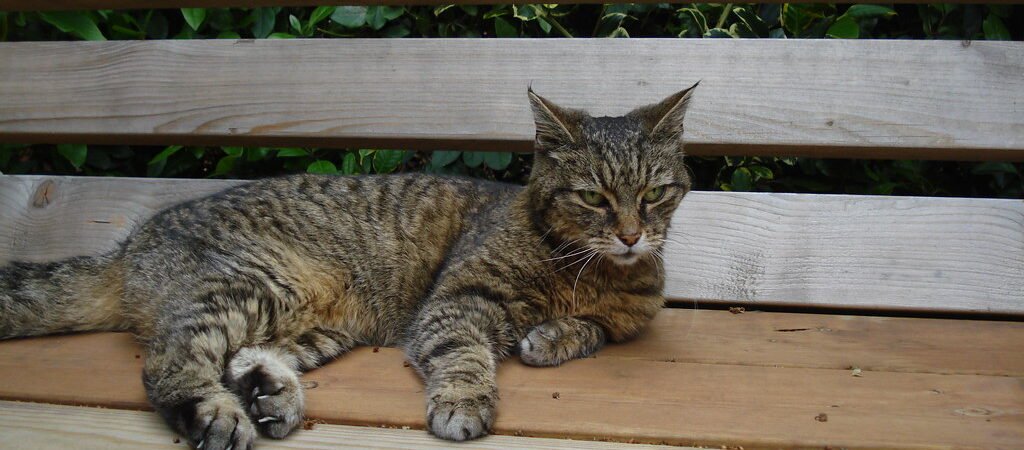
A senior dog or cat losing weight without any change to diet or exercise is one of those symptoms that is easy to feel good about at first. Fewer visible ribs, an easier time with joints under less strain, it can look like a positive change before the pattern becomes clear. But unintentional weight loss in an older pet is rarely a sign of improved fitness. It is one of the more reliable red flags in veterinary medicine, and it is worth taking seriously the moment you notice it rather than waiting to see if it continues.
Photo: ajr595 via Flickr (CC BY 2.0)
Why Weight Loss Reads Differently in Senior Pets
In a younger, healthy animal, minor weight fluctuation is often unremarkable. In a senior dog or cat, unexplained weight loss is far more likely to reflect an underlying process, since older bodies generally trend toward stable or slowly increasing weight rather than spontaneous loss. The distinction that matters most to a vet is whether the loss is truly unexplained: no diet change, no new exercise routine, and no obvious reason the pet would be burning more calories or eating less.
Common Underlying Causes
In cats, hyperthyroidism is one of the most frequent causes of unexplained weight loss, often paired with an increased appetite that makes the weight loss even more confusing to owners who assume eating well rules out a problem. Chronic kidney disease, diabetes, and dental pain that makes chewing uncomfortable enough to reduce food intake are common in both dogs and cats, while conditions like inflammatory bowel disease or various cancers can quietly increase the body’s energy demands or interfere with nutrient absorption. Some of these causes are very manageable once identified, which is part of why finding the actual cause matters more than just adding calories back in.
When to Treat It as Urgent
Weight loss paired with any other new symptom, vomiting, diarrhea, increased thirst, lethargy, or a change in litter box or bathroom habits, should move a vet visit up the priority list rather than waiting for a routine checkup. Weight loss alone, with no other symptoms and no appetite change, still deserves a vet visit within a reasonable window rather than a wait-and-see approach, since some of the more serious underlying causes cause few other early symptoms. A loss of more than ten percent of body weight over a few months is generally considered significant enough to warrant prompt evaluation regardless of how the pet seems otherwise.
What a Vet Visit for Weight Loss Usually Involves
Bloodwork is typically the first step, since it can flag thyroid problems, kidney values, blood sugar, and several other common culprits from a single sample. A thorough dental exam is worth requesting specifically if it is not already part of the visit, since painful teeth are an under-recognized cause of reduced eating that owners rarely notice until it is pointed out. Depending on what the initial workup shows, a vet may recommend imaging or more specific testing to narrow down a cause that bloodwork alone did not fully explain.
Supporting a Pet While the Cause Is Being Investigated
Warming wet food slightly or offering smaller, more frequent meals can help a pet with a reduced appetite eat enough while an underlying cause is worked up, though any specific dietary change is worth checking with your vet first if a condition like kidney disease is suspected. Weighing your pet at home on a consistent schedule, the same scale, similar time of day, gives a vet objective data to work with rather than a rough impression of “seems thinner.” Avoid the instinct to significantly increase portions on your own before a cause is identified, since some of the conditions behind weight loss respond poorly to more food rather than better.
Sources: VCA Animal Hospitals — Weight Loss in Dogs, VCA Animal Hospitals — Weight Loss in Cats.