Table of Contents
- What IBD Actually Is
- Signs Owners Typically Notice
- Getting an Accurate Diagnosis
- Treatment and Long-Term Outlook
- How IBD Differs From Small Cell Lymphoma in Practice
- Living With a Cat on a Long-Term Management Plan
- When Weight Loss Signals Something More Urgent
- Supporting Digestion Alongside Medication
- Distinguishing IBD From a Simple Diet Sensitivity
How PawSeniors Researches This
PawSeniors articles are written and edited in-house, then checked against primary veterinary sources before publishing.
- Every medical claim is sourced to the American Kennel Club, PetMD, VCA Animal Hospitals, or another named veterinary source, linked at the end of the article.
- Every claim is tied to a named, checkable veterinary source linked at the end of the article — nothing is published without a reference you can verify yourself.
- Articles are updated when veterinary guidance changes.
Chronic vomiting in a senior cat is often written off as “just a cat thing,” but when it happens more than once or twice a week over an extended period, it’s frequently a sign of inflammatory bowel disease, one of the more common chronic digestive conditions affecting older cats.
What IBD Actually Is
IBD is a group of gastrointestinal diseases that cause chronic inflammation of the stomach, small intestine, and/or large intestine, disrupting normal digestion and nutrient absorption. The exact trigger is often unclear, though possible causes include an adverse reaction to a specific protein in the diet, an underlying parasitic or bacterial infection, or an abnormal immune response within the gut lining itself.
Signs Owners Typically Notice
Chronic vomiting, often the primary and most noticeable sign in cats, along with diarrhea, gradual weight loss, and general fatigue or reduced activity are the most common symptoms. Because these signs can wax and wane over weeks or months, IBD is easy to dismiss as an occasional stomach upset rather than a chronic condition needing proper diagnosis and management.
Getting an Accurate Diagnosis
Diagnosing IBD properly requires bloodwork, imaging, and very often a biopsy of the intestinal tissue, since a biopsy is the only reliable way to distinguish IBD from small cell lymphoma, a related condition that looks nearly identical clinically but requires a different treatment approach. Skipping this step and treating based on symptoms alone risks missing a diagnosis that genuinely changes what treatment plan gives your cat the best outcome.
Treatment and Long-Term Outlook
Most cats need a period of active treatment, commonly involving a novel-protein or hydrolyzed diet along with anti-inflammatory medication, followed by a trial period off medication to see whether ongoing treatment is truly necessary. With a confirmed diagnosis and consistent management, the prognosis for cats with IBD is generally good, and many go on to have a great quality of life for years afterward, even if occasional flare-ups still need to be managed along the way.
How IBD Differs From Small Cell Lymphoma in Practice
Even after a biopsy, distinguishing IBD from small cell lymphoma can require additional specialized testing, since the two conditions can look nearly identical under a standard microscope. This is part of why a diagnosis from a general practice sometimes gets referred to a specialist for confirmation before committing to a long-term treatment plan, particularly when initial treatment isn’t producing the expected improvement.
Living With a Cat on a Long-Term Management Plan
Once a diet or medication plan is working, consistency matters more than anything else; switching foods unexpectedly or skipping doses can trigger a flare-up even in a cat who’s been stable for months. Keeping treats and other pets’ food fully separate is also important during a diet trial, since even small amounts of an unapproved protein can undermine an otherwise effective elimination diet.
When Weight Loss Signals Something More Urgent
Significant, rapid weight loss alongside IBD symptoms warrants prompt bloodwork and possibly repeat imaging, since it can indicate the condition has progressed or that a second issue, like hyperthyroidism or a GI lymphoma, has developed alongside the original diagnosis.
Supporting Digestion Alongside Medication
Some vets also recommend probiotics or fiber adjustments as a complementary part of an IBD management plan, though these should be added under veterinary guidance rather than as a substitute for the core diet and medication plan that’s actually driving improvement.
Distinguishing IBD From a Simple Diet Sensitivity
A cat with a mild, short-lived food sensitivity usually improves within days of a diet change, while true IBD tends to persist or return despite dietary adjustments alone, which is one more reason a proper workup matters before assuming a simple food swap will resolve chronic symptoms.
Sources: VCA Animal Hospitals — Inflammatory Bowel Disease in Cats, PetMD — Inflammatory Bowel Disease (IBD) in Cats.
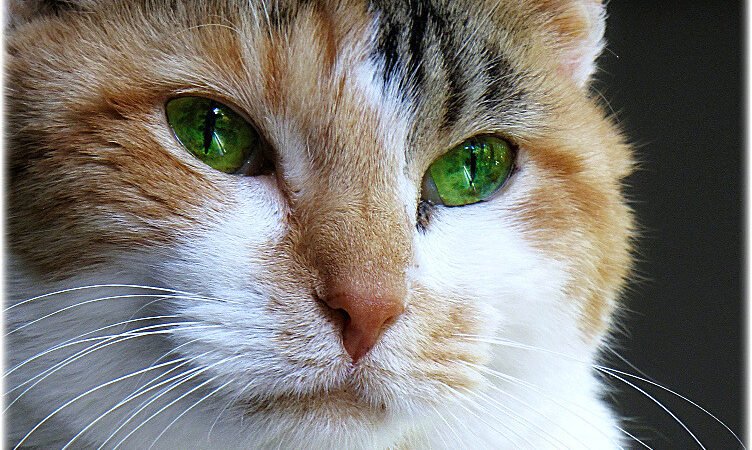
Photo: "Doctor, Doctor, gimme the news" by Trish Hamme, licensed under CC BY 2.0. Source.