Table of Contents
How PawSeniors Researches This
PawSeniors articles are written and edited in-house, then checked against primary veterinary sources before publishing.
- Every medical claim is sourced to the American Kennel Club, PetMD, VCA Animal Hospitals, or another named veterinary source, linked at the end of the article.
- Every claim is tied to a named, checkable veterinary source linked at the end of the article — nothing is published without a reference you can verify yourself.
- Articles are updated when veterinary guidance changes.
Cognitive dysfunction in cats works much like it does in dogs and, in both species, resembles Alzheimer’s disease in people — a decline in memory, critical thinking, behavior, and reasoning tied to brain aging rather than a single disease event. According to PetMD, more than a quarter of cats aged 11 to 14 show at least one sign, and that rises to half of cats over 15.
The DISHAA Signs in Cats
- Disorientation — getting lost in familiar areas of the house, not recognizing familiar people, or going to the wrong side of a door.
- Interactions — becoming noticeably more clingy or more withdrawn, or showing new irritability when approached or handled.
- Sleep-wake cycle changes — more sleeping during the day paired with pacing and restlessness at night.
- House soiling — accidents outside a previously reliable litter box routine.
- Activity changes — aimless wandering or pacing, or a drop in normal activity.
- Anxiety — new vocalizing, especially at night, and increased hiding.
A less obvious sign worth adding to that list: decreased grooming. A cat that’s cognitively declining — or in pain — often stops self-grooming as much, leading to a matted, greasy, or unkempt coat that owners sometimes chalk up to “just getting old.”
Why a Vet Visit Comes First, Not Last
Cognitive dysfunction symptoms overlap heavily with other very common senior cat conditions — kidney disease, hyperthyroidism, arthritis, and vision or hearing loss can all produce similar changes in behavior. Diagnosing feline cognitive dysfunction is largely a process of ruling out these other conditions first, since several of them are treatable in ways that dementia isn’t. A cat vocalizing at night, for example, could be cognitive decline, an overactive thyroid, or pain — and the right response is completely different for each.
How a Vet Actually Rules Things Out
A typical workup starts with bloodwork to check thyroid levels and kidney function, since both hyperthyroidism and kidney disease are common in the same age group and can independently cause restlessness, increased vocalizing, or house soiling. A physical exam checking joint mobility helps rule out arthritis pain as the real driver of reduced activity or irritability. Only once these more treatable conditions are ruled out does cognitive dysfunction become the working diagnosis, usually based on the pattern and combination of DISHAA signs rather than a single definitive test.
What Can Help
Once other conditions are ruled out, management for confirmed cognitive dysfunction typically focuses on environmental consistency and support: keeping furniture, litter box, and food/water locations stable rather than rearranged, using night lights to reduce disorientation in the dark, and maintaining predictable daily routines. Some vets also discuss diet and supplement options aimed at supporting brain health, similar to approaches used in dogs with cognitive decline.
Medication and Supplement Options
Some of the same supportive approaches used in canine cognitive dysfunction — antioxidant supplements like SAMe and vitamin E, and diets formulated to support brain health — are sometimes used in cats as well, though research in cats specifically is less extensive than in dogs. Any medication or supplement should go through your vet rather than a supplement bought based on the canine version’s label, since dosing and safety data don’t automatically transfer between species.
The Takeaway
If your senior cat is showing two or more of the DISHAA signs, don’t wait for the next annual exam. Early evaluation both rules out treatable look-alike conditions and, if it is cognitive dysfunction, gives you the most time to put supportive routines in place before symptoms progress.
Sources: PetMD — Dementia in Cats, PetMD — 10 Most Common Illnesses in Senior Cats.
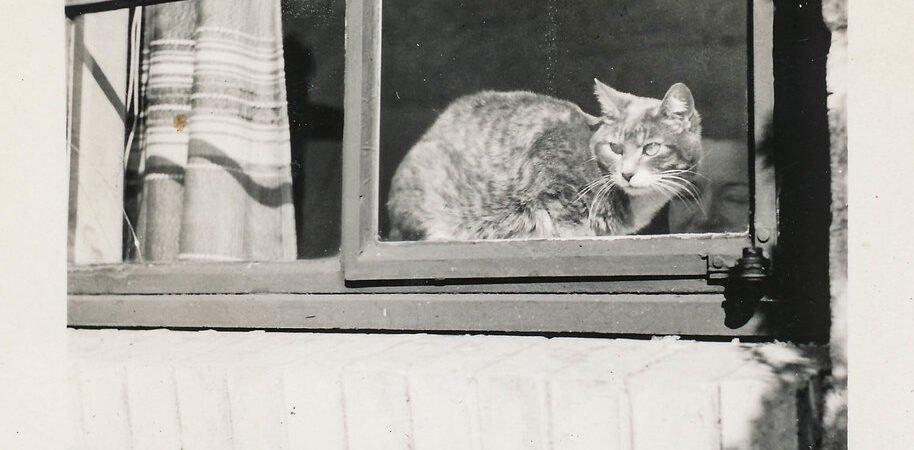
Photo: “Cat looks out the window” by simpleinsomnia, licensed under CC BY 2.0.