Table of Contents
How PawSeniors Researches This
PawSeniors articles are written and edited in-house, then checked against primary veterinary sources before publishing.
- Every medical claim is sourced to the American Kennel Club, PetMD, VCA Animal Hospitals, or another named veterinary source, linked at the end of the article.
- Every claim is tied to a named, checkable veterinary source linked at the end of the article — nothing is published without a reference you can verify yourself.
- Articles are updated when veterinary guidance changes.
Where and how a senior pet sleeps matters more than it did when they were younger. Joint pain, temperature sensitivity, and reduced mobility all change what a genuinely comfortable sleeping setup looks like.
Why Temperature Regulation Becomes an Issue
Senior dogs are at higher risk of losing body heat quickly, in the same category as puppies, small breeds, and short-coated dogs — very old dogs specifically have a harder time regulating body temperature and react more strongly to weather changes than they did as younger adults. This means a bedroom spot that was fine for years can become genuinely uncomfortable, or even risky, once a dog is well into its senior years.
Choosing Where in the House the Bed Goes
Beyond the bed itself, location matters. A spot near where the family spends time, rather than an isolated back room, helps an older pet who may be dealing with some hearing or vision loss stay oriented and included rather than feeling cut off. At the same time, avoid high-traffic pinch points, like the base of stairs or a narrow hallway, where a pet could get stepped on while resting or struggle to get up quickly if needed.
Building the Sleep Setup
- Choose an orthopedic bed. Beds designed to cushion achy muscles and stiff joints matter more for a senior sleeping many hours a day than a standard cushion bed.
- Consider a heated bed for cold-sensitive pets. Heated beds run on low voltage and warm to a safe temperature, and are a solid option for a senior that gets chilly — though it’s worth checking with your vet first and supervising early use, especially for a pet who can’t easily move away from heat if it becomes too warm.
- Add blankets rather than relying on one solution. Extra blankets on the bed let a pet nest into more warmth on colder nights without needing the bed itself replaced.
- Keep the spot away from drafts and heating vents. Direct airflow from either can undercut even a good bed, making the pet colder or hotter than the room actually is.
Positioning for Mobility and Vision Changes
A low-profile bed that doesn’t require climbing in and out is easier on stiff joints than a raised or bolstered one. For a pet with any vision changes, keep the bed’s exact location consistent — rearranging furniture removes the mental map they rely on, and a nightlight nearby reduces disorientation if they wake and need to move around in the dark.
A Few Extra Comfort Details
- A washable cover protects against accidents without requiring the whole bed to be replaced.
- Non-slip flooring or a rug near the bed gives secure footing for the first steps after getting up, when joints are stiffest.
- For cats, a low-sided bed placed somewhere warm but not directly on a heat source works well alongside the same temperature principles as dogs.
Multiple Beds Around the House
Rather than one central bed, placing a second or third resting spot on other floors or in rooms where your pet spends daytime hours reduces how far they need to travel when they want to rest, which matters more once joint pain makes crossing the house a bigger ask than it used to be.
The Bottom Line
None of these changes are expensive or complicated, but skipping them matters more for a senior pet than it did years ago — reduced temperature regulation and joint pain both compound quietly if the sleep setup doesn’t account for them.
Sources: American Kennel Club — Senior Dog Comfort, American Kennel Club — Heated Dog Beds: Safety and Choosing the Right One.
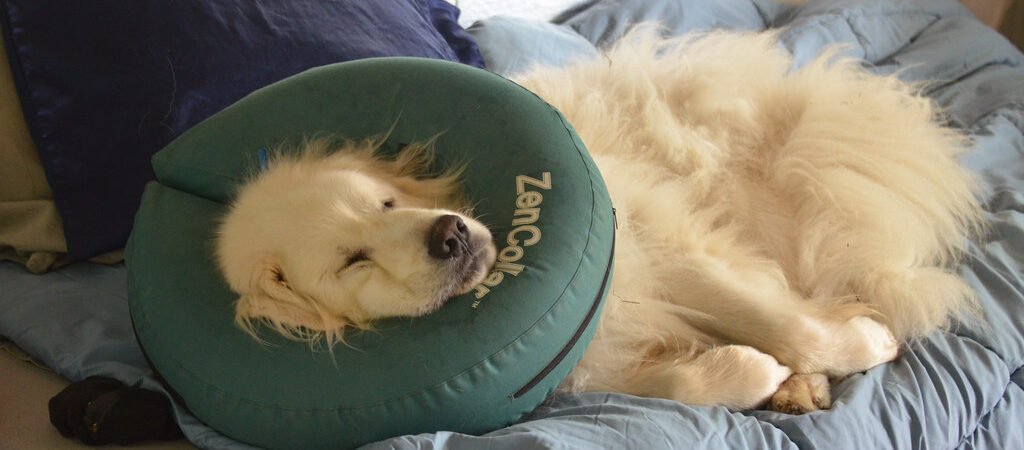
Photo: “Recovering” by Aiko, Thomas & Juliette+Isaac, licensed under CC BY 2.0.