Table of Contents
- 1. Non-Slip Flooring on Main Routes
- 2. A Properly Sloped Ramp, Not Just Any Ramp
- 3. Non-Slip Stairs (Or Skip Them Entirely)
- 4. An Orthopedic Bed That Doesn’t Require Climbing
- 5. Elevated Food and Water Bowls
- 6. More Frequent, Shorter Bathroom Breaks
- 7. Temperature-Conscious Bedding Placement
- How to Tell the Changes Are Actually Helping
- Involve Your Vet in the Bigger Picture
- Start With the Highest-Traffic Areas
How PawSeniors Researches This
PawSeniors articles are written and edited in-house, then checked against primary veterinary sources before publishing.
- Every medical claim is sourced to the American Kennel Club, PetMD, VCA Animal Hospitals, or another named veterinary source, linked at the end of the article.
- Every claim is tied to a named, checkable veterinary source linked at the end of the article — nothing is published without a reference you can verify yourself.
- Articles are updated when veterinary guidance changes.
A house that worked fine for a younger dog can quietly become an obstacle course for a senior one. Per VCA Animal Hospitals, hard surfaces like hardwood and tile force dogs into a short-strided, hunched posture as they try to keep their footing, which increases stiffness and discourages movement. Here are the changes that make a real difference.
1. Non-Slip Flooring on Main Routes
You don’t need to re-floor the house. Non-slip area rugs and runners along the paths your dog walks most — from their bed to the door, to the water bowl — give them secure footing where it matters most. Trimming nails monthly and fur between the toes also improves traction on hard floors.
2. A Properly Sloped Ramp, Not Just Any Ramp
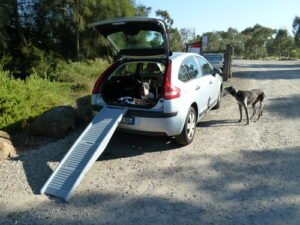
For dogs that can no longer manage stairs or jump into the car, a ramp is safer than lifting them — but the slope matters. Look for a gentle slope in the 10–18 degree range with a non-slip surface, and make sure it’s sturdy enough that it doesn’t shift underfoot, or your dog will refuse to use it.
3. Non-Slip Stairs (Or Skip Them Entirely)
If stairs stay in use, add carpet runners or grip tape to each step. If your dog’s mobility has declined significantly, a baby gate blocking the staircase is often the safer choice.
4. An Orthopedic Bed That Doesn’t Require Climbing
Choose a low-profile orthopedic bed over a raised or bolstered one — no climbing required to get comfortable — with a non-heat-retaining material and a machine-washable cover in case of accidents.
5. Elevated Food and Water Bowls
Raising bowls to roughly elbow-to-shoulder height reduces the strain of bending down to eat or drink, which matters for dogs with neck or joint pain. It also encourages more consistent water intake, which helps prevent dehydration and urinary tract issues.
6. More Frequent, Shorter Bathroom Breaks
Senior dogs often need outdoor breaks every 2–3 hours — closer to a puppy schedule than an adult one — since holding a full bladder or the posture needed to eliminate becomes harder with joint pain. A supportive harness with a handle can help dogs that struggle to balance while going.
7. Temperature-Conscious Bedding Placement
Avoid heat-retaining bedding materials, particularly in warmer climates, and keep resting spots away from direct heating vents or sun-baked floors, since senior dogs regulate temperature less efficiently than younger ones.
How to Tell the Changes Are Actually Helping
Improvement usually shows up as behavior returning, not just symptoms disappearing: a dog choosing to get up and walk to greet you again, using a ramp voluntarily after an adjustment period, or sleeping through the night instead of shifting positions repeatedly to get comfortable. These are more reliable signs of progress than assuming a dog is fine just because they haven’t visibly struggled — many dogs simply stop attempting movements that have become too hard, which can look like calm rather than what it actually is.
Involve Your Vet in the Bigger Picture
Home modifications work best alongside, not instead of, a proper mobility assessment. A vet can identify which specific joints or movements are causing the most trouble, which helps prioritize which of these seven changes to tackle first rather than guessing.
Start With the Highest-Traffic Areas
You don’t need to do all seven at once. Start with the path your dog uses most — usually bed to door to water bowl — and expand from there. Small changes to flooring and bowl height are often the fastest to make and the most noticeable to your dog.
Sources: VCA Animal Hospitals — Creating a Comfortable Home for Your Mobility Compromised Dog, American Kennel Club — Senior Dog Comfort.
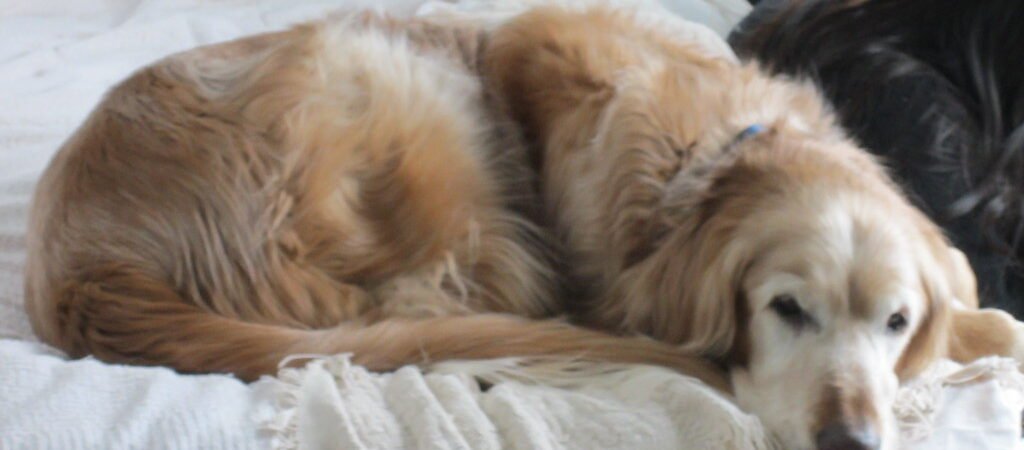
Photo: “Montague resting” by Pictures by Ann, licensed under CC BY 2.0.