Table of Contents
- Why Senior Cats Are Prone to Hypertension
- Why It Often Goes Unnoticed Until Damage Is Done
- Why Blood Pressure Screening Matters for Senior Cats
- How Blood Pressure Is Measured in Cats
- Treatment Is Usually Straightforward
- What Happens to Damage Already Done
- How Often Blood Pressure Should Be Checked
- What Owners Can Watch For at Home
How PawSeniors Researches This
PawSeniors articles are written and edited in-house, then checked against primary veterinary sources before publishing.
- Every medical claim is sourced to the American Kennel Club, PetMD, VCA Animal Hospitals, or another named veterinary source, linked at the end of the article.
- Every claim is tied to a named, checkable veterinary source linked at the end of the article — nothing is published without a reference you can verify yourself.
- Articles are updated when veterinary guidance changes.
High blood pressure in senior cats is far more common than most owners realize, and it’s especially sneaky because it usually causes no obvious symptoms until real, sometimes irreversible, damage has already occurred.
Why Senior Cats Are Prone to Hypertension
Hypertension in cats is almost always secondary, meaning it develops as a consequence of another underlying condition rather than as a standalone problem. Chronic kidney disease is the single most common driver, found in up to roughly three-quarters of hypertensive cats, and hyperthyroidism, caused by a benign thyroid tumor, is the other major contributor. Because both of these conditions are themselves common in senior cats, hypertension tends to travel alongside them rather than appearing on its own.
Why It Often Goes Unnoticed Until Damage Is Done
Unlike in humans, cats rarely show obvious day-to-day symptoms of high blood pressure until it has already caused organ damage. The eyes are particularly vulnerable, and sudden blindness from retinal detachment is one of the more dramatic and heartbreaking ways hypertension first reveals itself to an owner, often with no warning beforehand. Blood pressure can also silently damage the kidneys, heart, and brain over time, which is exactly why waiting for symptoms means waiting too long.
Why Blood Pressure Screening Matters for Senior Cats
Because hypertension causes so little outward warning before damage occurs, and because it’s so tightly linked to two conditions already common in aging cats, checking blood pressure as a routine part of senior wellness visits, particularly for any cat with diagnosed kidney disease or hyperthyroidism, is one of the more valuable preventive screenings available. A blood pressure check is quick, non-invasive, and can catch a genuinely serious problem well before a cat shows any sign that something is wrong.
How Blood Pressure Is Measured in Cats
Blood pressure is typically measured using a small cuff on the leg or tail, similar in concept to a human blood pressure check, though cats often need a few minutes to settle into a calm state first, since stress alone can temporarily elevate readings. Vets typically take multiple readings and may repeat the measurement on a separate visit before confirming a hypertension diagnosis, to avoid mistaking a stress spike for a genuine, sustained problem.
Treatment Is Usually Straightforward
The good news is that feline hypertension is readily managed once identified, typically with a daily oral medication, most commonly amlodipine, that most cats tolerate well. Treatment usually also involves managing whatever underlying condition, kidney disease or hyperthyroidism, is driving the elevated blood pressure in the first place, since controlling that root cause often helps stabilize blood pressure more effectively over time than medication alone.
What Happens to Damage Already Done
While blood pressure itself responds well to treatment, some of the damage it causes before diagnosis, particularly vision loss from retinal detachment, can be permanent even after blood pressure is brought under control. This is precisely why catching hypertension early, through routine screening rather than waiting for a dramatic first symptom like sudden blindness, makes such a meaningful difference in long-term outcome for a cat’s quality of life.
How Often Blood Pressure Should Be Checked
For cats with a diagnosed condition known to cause hypertension, kidney disease or hyperthyroidism specifically, blood pressure checks are generally recommended at every recheck visit, often every three to six months, rather than as an occasional add-on. For otherwise healthy senior cats without one of these diagnoses, an annual blood pressure check as part of the broader senior wellness exam is a reasonable baseline, giving a comparison point if a problem develops later.
What Owners Can Watch For at Home
Because hypertension itself rarely produces obvious day-to-day symptoms until damage has occurred, home monitoring mostly means watching for signs of the underlying conditions that drive it: increased thirst and urination for kidney disease, or weight loss with an increased appetite for hyperthyroidism. Noticing and reporting either of these promptly gives a better chance of catching hypertension through screening before it reaches the point of causing sudden vision changes.
Sources: PetMD — Hypertension (High Blood Pressure) in Cats, VCA Animal Hospitals — Systemic Hypertension in Cats.
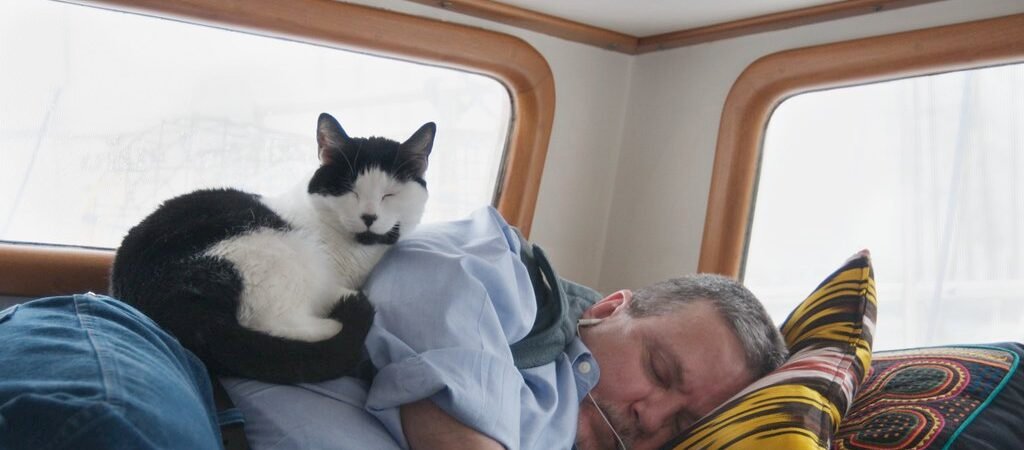
Photo: "Naptime in the Pilot House" by A.Davey, licensed under CC BY 2.0. Source.