Table of Contents
How PawSeniors Researches This
PawSeniors articles are written and edited in-house, then checked against primary veterinary sources before publishing.
- Every medical claim is sourced to the American Kennel Club, PetMD, VCA Animal Hospitals, or another named veterinary source, linked at the end of the article.
- Every claim is tied to a named, checkable veterinary source linked at the end of the article — nothing is published without a reference you can verify yourself.
- Articles are updated when veterinary guidance changes.
A senior cat with a persistent dry cough that owners often mistake for hairball attempts may be dealing with chronic bronchitis, an inflammatory airway condition that tends to develop in middle-aged and older cats specifically.
What Chronic Bronchitis Actually Is
Chronic bronchitis involves ongoing inflammation of the airways in the lungs, sometimes also referred to as feline COPD, chronic obstructive pulmonary disease, when the condition has progressed to affect airflow more significantly. Unlike feline asthma, which typically develops in younger cats between two and eight years old, chronic bronchitis most often affects middle-aged and older cats specifically, making it the more likely diagnosis when a senior cat develops persistent respiratory symptoms for the first time.
Why It’s So Often Mistaken for Something Else
The hallmark early sign is a constant or recurring cough, persisting for longer than a month, and it’s typically dry and harsh rather than wet. Cats frequently gag or retch after coughing, which leads many owners to assume their cat is trying to pass a hairball or has vomited, when what’s actually happening is airway irritation triggering a cough reflex. This misinterpretation is common enough that a persistent cough lasting weeks, even one that seems hairball-related, is worth a vet visit rather than continued waiting for a hairball that never actually appears.
How the Condition Progresses
As chronic bronchitis advances, cats may show reduced energy and increasing difficulty breathing, sometimes with audible wheezing on exhale. Breathing can become noticeably labored, particularly during activity, and in more advanced cases even at rest. This progression is part of why earlier diagnosis, while the condition is still limited to a persistent cough, generally allows for better long-term airway management than waiting until breathing difficulty has become obvious.
How It’s Diagnosed
Diagnosis typically involves chest X-rays to look for characteristic airway changes and to rule out other causes of coughing, such as heart disease or a respiratory infection, both of which can look similar on the surface. In some cases, a more detailed airway sample, obtained through a procedure that collects cells from the lower airways, helps confirm the diagnosis and rule out other conditions like infection or, less commonly, lungworm.
Treatment Approach
Treatment generally combines a corticosteroid to reduce airway inflammation with a bronchodilator to help relax and open the airways, allowing easier breathing. These are often delivered through an inhaler specifically designed for cats, using a spacer device that fits over the cat’s face, similar in concept to how a human asthma inhaler works, which allows the medication to act directly on the airways with fewer systemic side effects than an oral medication would carry.
Reducing Environmental Triggers at Home
Alongside medication, reducing airway irritants in a cat’s environment genuinely helps manage symptoms: switching to a low-dust litter, avoiding scented candles, air fresheners, and aerosol sprays near the cat, and keeping the home smoke-free if anyone in the household smokes. Since excess weight is also linked to a higher risk of chronic respiratory issues in cats, maintaining a healthy weight is a meaningful, controllable piece of long-term management as well.
Distinguishing a Cough From a Hairball Attempt
A genuine hairball attempt typically involves a distinctive retching motion with the cat’s body hunched low and head extended forward, usually resolving quickly once the hairball is produced or the attempt passes. A bronchitis-related cough tends to be more of a repeated, dry hacking sound without an actual hairball ever appearing, and it recurs regularly over days or weeks rather than as an isolated, occasional event. A cat with genuinely frequent, unproductive coughing attempts, hairball or not, has gone well past the point where waiting it out makes sense.
Living With a Cat on Long-Term Inhaler Therapy
Most cats adapt to a feline-specific inhaler and spacer device better than owners initially expect, especially when the routine is introduced calmly and paired with treats early on to build a positive association. Once established, daily inhaled treatment is often better tolerated long-term than oral medication would be, since it avoids the taste and pilling struggle many cats put up daily resistance to, while still delivering effective, targeted relief directly to the airways where it’s needed.
Sources: VCA Animal Hospitals — Chronic Bronchitis in Cats, PetMD — Bronchitis in Cats: Signs and When to Call Your Vet.
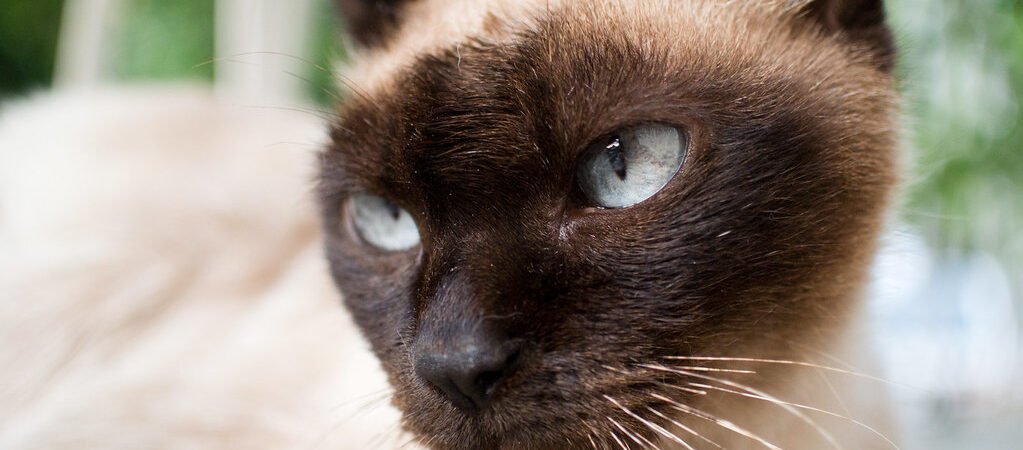
Photo: "Close-up portrait shot of a siamese cat" by Ivan Radic, licensed under CC BY 2.0. Source.