Table of Contents
How PawSeniors Researches This
PawSeniors articles are written and edited in-house, then checked against primary veterinary sources before publishing.
- Every medical claim is sourced to the American Kennel Club, PetMD, VCA Animal Hospitals, or another named veterinary source, linked at the end of the article.
- Every claim is tied to a named, checkable veterinary source linked at the end of the article — nothing is published without a reference you can verify yourself.
- Articles are updated when veterinary guidance changes.
A senior cat who suddenly stops eating, paws at their mouth, or starts drooling excessively may be dealing with far more than ordinary dental tartar. Stomatitis, a severe and extremely painful inflammation of the mouth’s soft tissues, is a distinct and serious dental condition that behaves very differently from typical feline dental disease.
What Makes Stomatitis Different From Ordinary Dental Disease
While routine dental disease in cats generally involves tartar buildup and gum inflammation localized around the teeth, stomatitis involves widespread, severe inflammation of the mouth’s soft tissues, often extending well beyond the gumline to the back of the mouth and throat. The tissue appears red, raised, and inflamed, frequently described as cobblestone-like in texture, and it’s considered one of the more painful conditions seen in feline medicine, disproportionate to what the visual appearance alone might suggest to an owner glancing in their cat’s mouth.
Signs to Watch For
Because stomatitis is so painful, affected cats often show dramatic changes in eating behavior: reluctance or outright refusal to eat despite obvious hunger, approaching the food bowl and then backing away, or eating only on one side of the mouth. Drooling, sometimes blood-tinged, bad breath, visible swollen or red gum tissue, and pawing at the mouth are all common. Because eating becomes so uncomfortable, weight loss often follows, and some cats show noticeable personality changes, becoming withdrawn or irritable, that owners sometimes attribute to unrelated causes before connecting it back to mouth pain.
What’s Actually Causing It
The leading theory is that stomatitis stems from an abnormal immune response, often connected to chronic viral infections like feline calicivirus or herpesvirus, where the immune system essentially overreacts to the presence of dental plaque and bacteria in a way that healthy cats don’t. Cats with underlying viral infections such as FeLV or FIV appear to be at increased risk, which is part of why bloodwork screening for these viruses is often included in a stomatitis workup.
Why Extraction Is the Standard Treatment
The current, evidence-supported standard treatment is surgical extraction of some or all of a cat’s teeth, which sounds drastic but has a strong track record: the large majority of cats, roughly sixty to eighty percent or more in published outcomes, show substantial, lasting improvement after extraction. The reasoning is that removing the teeth removes the surface that plaque and bacteria accumulate on, eliminating the trigger that keeps driving the immune system’s inflammatory response, rather than just treating the inflammation symptomatically while the underlying trigger remains.
Life After Extraction
Cats adapt remarkably well to having few or no teeth, and most go on to eat normally, including dry kibble in many cases, once the painful inflammation has resolved. The dramatic improvement in comfort and appetite after extraction is frequently described by owners as giving them back a completely different cat, more social, more interested in eating, and generally more like themselves before the disease progressed.
When Extraction Isn’t the Chosen Path
For cats where full extraction isn’t pursued, whether due to other health considerations or an owner’s preference to try other options first, oral antiseptic rinses using a diluted chlorhexidine solution and, in some cases, laser therapy targeting the inflamed tissue directly are used with variable success. These approaches generally offer less reliable, more temporary relief than extraction, and most veterinary dentists still consider extraction the most effective long-term path for cats whose stomatitis is significantly affecting their quality of life.
How Diagnosis Is Confirmed
Because the appearance of stomatitis can overlap with other oral conditions, including certain oral tumors, a vet typically confirms diagnosis through a thorough oral exam under sedation, since a fully conscious cat in this much pain rarely tolerates the detailed inspection needed. This exam often includes dental X-rays to assess the roots of affected teeth and sometimes a biopsy of the inflamed tissue to rule out other causes definitively before committing to a treatment plan as significant as full-mouth extraction.
Managing Pain Before and During Treatment
Given how painful stomatitis is, pain management is a central part of care even before extraction happens, and cats often need ongoing pain medication throughout the diagnostic and treatment process, not just immediately after surgery. Owners sometimes underestimate how much a cat has been hiding their discomfort until after treatment, when a noticeably more relaxed, engaged cat emerges once the underlying pain is finally addressed.
Sources: PetMD — Stomatitis in Cats: Symptoms, Causes and Treatment.
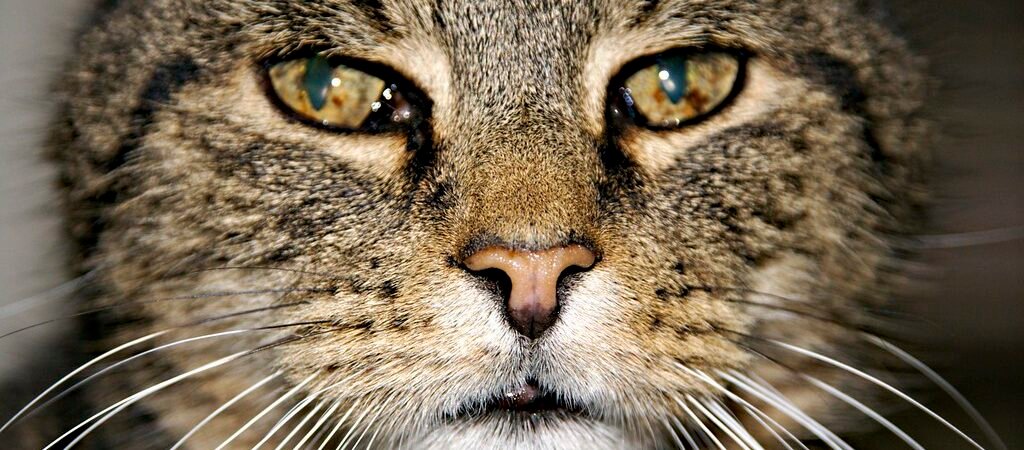
Photo: "Cat Face" by Ed Townend, licensed under CC BY 2.0. Source.