Table of Contents
How PawSeniors Researches This
PawSeniors articles are written and edited in-house, then checked against primary veterinary sources before publishing.
- Every medical claim is sourced to the American Kennel Club, PetMD, VCA Animal Hospitals, or another named veterinary source, linked at the end of the article.
- Every claim is tied to a named, checkable veterinary source linked at the end of the article — nothing is published without a reference you can verify yourself.
- Articles are updated when veterinary guidance changes.
A cat’s coat has always been a decent barometer of how they’re feeling, and that gets more true, not less, as cats age. A duller or slightly thinner coat is a normal part of getting older. Matting, bald patches, or a greasy, unkempt look are usually something else — most often pain, not vanity.
Why Grooming Declines With Age
Cats spend a large part of their day self-grooming, and that habit is one of the first things to slip when something hurts. Twisting to reach the hips, lower back, or tail base — exactly the areas arthritis affects most — becomes physically uncomfortable, so a cat simply stops reaching those spots as often. Dental pain plays a role too, since grooming relies on the tongue and a comfortable mouth, and a cat with a sore tooth or inflamed gums may groom less across the board, not just in hard-to-reach areas.
What Counts as Normal Aging
Some coat changes track with age alone and aren’t a reason for concern on their own: a slightly duller texture, a bit less shine, some graying around the muzzle and face, and marginally thinner fur overall. These changes are gradual and even, spread across the whole coat rather than concentrated in one area.
Warning Signs That Mean More Than “Getting Older”
- Matted patches over the hips, lower back, or tail base — the exact spots a cat with joint pain struggles to reach.
- Bald patches or excessive licking in one specific area, which can point to pain, allergies, or a skin condition localized to that spot.
- Flaky, dandruff-like skin, especially if it’s new rather than a lifelong trait.
- A greasy or unusually oily feel to the coat, often a sign grooming has dropped off significantly.
- New lumps, scabs, or sores anywhere on the skin.
- Sudden or patchy hair loss, as opposed to the slow, even thinning that comes with normal aging.
Skin Growths and Lumps in Senior Cats
Cats develop far fewer of the harmless fatty lipomas that are so common in senior dogs, which means a new lump in a cat carries relatively more weight and deserves a prompt vet check rather than a wait-and-see approach. A vet can usually tell quickly, often with a simple needle aspirate, whether a growth is something to watch or something to address, but that determination should come from an exam rather than guessing based on how a lump feels.
How to Help at Home
- Brush daily, focusing on the spots your cat can’t easily reach — hips, lower back, and tail base — rather than just the areas they still groom themselves.
- Check for mats by hand regularly, since they can hide under a coat that still looks fine on the surface, and small mats are far easier to work out than ones that have been there for weeks.
- Address the underlying arthritis directly with home adaptations like low-sided litter boxes and easier access to favorite resting spots, since better mobility often brings grooming behavior back with it.
- Keep up with regular vet visits, which include a hands-on skin and coat check as a routine part of the exam, not just a response to a visible problem.
The Bottom Line
A cat’s coat quietly reports on their comfort level, and a change that looks cosmetic — matting, a duller coat, a new bald patch — is often the most visible sign of a problem that’s otherwise easy to miss, like arthritis pain or dental disease. Treating a coat change as a data point worth mentioning to your vet, rather than a grooming issue to manage on your own, catches more than it seems like it should.
Sources: VCA Animal Hospitals — Coat and Skin Appearance in the Healthy Cat, PetMD — 10 Most Common Illnesses in Senior Cats.
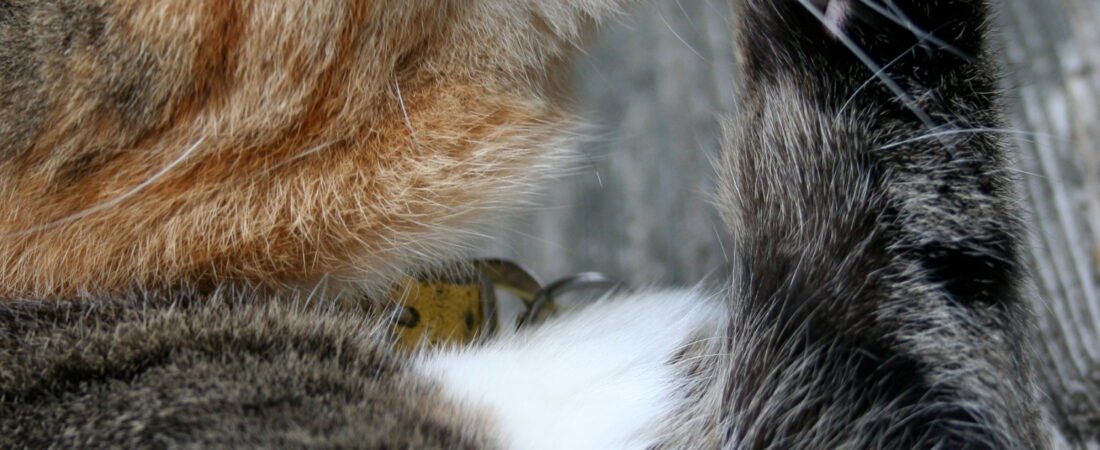
Photo: “Calico cat, washing” by Carolyn Williams, licensed under CC BY 2.0.