Table of Contents
How PawSeniors Researches This
PawSeniors articles are written and edited in-house, then checked against primary veterinary sources before publishing.
- Every medical claim is sourced to the American Kennel Club, PetMD, VCA Animal Hospitals, or another named veterinary source, linked at the end of the article.
- Every claim is tied to a named, checkable veterinary source linked at the end of the article — nothing is published without a reference you can verify yourself.
- Articles are updated when veterinary guidance changes.
Roughly 90% of cats over the age of 10 show some radiographic evidence of arthritis, yet joint supplements for cats get a fraction of the attention that dog joint supplements do. Part of the problem is that cats hide joint pain well and part of it is that most joint supplement marketing, and most dosing guidance, is written with dogs in mind. Here’s what actually matters when choosing one for a cat.
Why This Category Needs Cat-Specific Attention
Giving a cat a supplement formulated and dosed for dogs isn’t just a matter of giving less of it. Cats are smaller, metabolize certain compounds differently, and are far more sensitive to added flavorings, fillers, or inactive ingredients that a dog product might contain without issue. A product should be explicitly labeled and dosed for cats, not a dog product given at a reduced amount by guesswork.
The Core Ingredients
- Glucosamine: supports cartilage repair and is the most common active ingredient in joint supplements. A typical effective dose for cats falls in the range of 130 to 260 mg per day depending on the cat’s weight, well below dog-sized doses.
- Chondroitin: usually paired with glucosamine, chondroitin helps reduce inflammation in the joint and supports the cartilage matrix.
- Omega-3 fatty acids (fish oil): have a genuine anti-inflammatory effect and are one of the better-evidenced additions to a joint supplement regimen, whether included in the same product or given separately.
- Green-lipped mussel: a natural source of glucosamine, omega-3s, and other joint-supportive compounds, often included in combination products aimed at mobility support.
What to Look For on the Label
A quality cat joint supplement should state a clear, cat-specific dosing guide by weight, list glucosamine and chondroitin amounts explicitly rather than folding them into a vague “proprietary blend,” and avoid unnecessary fillers, artificial colors, or excess sodium. Chewable or flavored tablets tend to have far better real-world compliance than powders or capsules that need to be hidden in food, since a supplement a cat won’t eat provides no benefit regardless of its formulation.
Format Matters More Than It Seems
Cats are notoriously selective, and a supplement that gets refused, spat out, or picked around isn’t doing anything for a cat’s joints. Soft chews and flavored tablets designed specifically for cats generally see much better acceptance than dog-style hard tablets or unflavored capsules. Powders that mix invisibly into wet food are a reasonable fallback for cats that reject chews outright, though consistency of dosing can be harder to judge with a food topper.
Safety and Side Effects
Glucosamine and chondroitin are considered safe for the large majority of cats within recommended dosing. The most commonly reported side effect is mild digestive upset, occasional soft stool or gas, which typically resolves on its own or with a lower dose. Cats with diabetes should be monitored a bit more closely, since some glucosamine products are derived from shellfish or have effects on blood sugar worth discussing with a vet first, particularly for a cat already managing insulin.
Setting Realistic Expectations
Joint supplements are not a fast fix. Most glucosamine and chondroitin combinations take two to four weeks of consistent daily use before any noticeable change in mobility, and the effect is generally a meaningful improvement in comfort rather than a full reversal of joint damage that’s already occurred. For a cat with more advanced arthritis, a supplement is usually one part of a broader plan that might include prescribed pain medication, weight management, and home adaptations like ramps or low-sided litter boxes, not a replacement for any of them.
The Bottom Line
A cat-specific joint supplement, chosen for clear dosing, real glucosamine and chondroitin content, and a format the cat will actually eat, is a reasonable and generally safe addition to a senior cat’s routine, especially given how common arthritis is by age 10. It works best as one piece of a wider mobility plan rather than a standalone fix, and results take weeks, not days, to show up.
Sources: Cats.com — Glucosamine for Cats: Overview, Dosage & Side Effects, VCA Animal Hospitals — Helping Your Cat With Osteoarthritis.
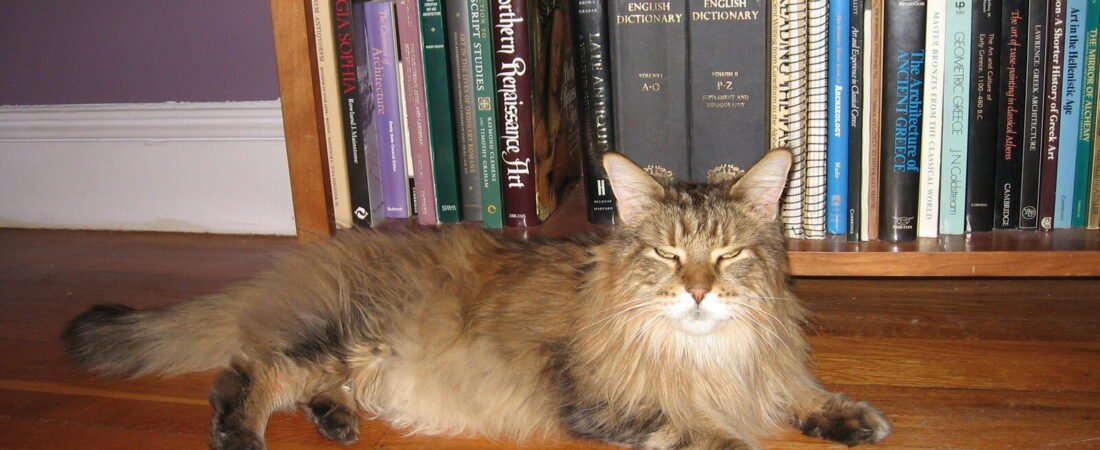
Photo: “13yearoldMaineCoon” by Kafka Liz, public domain.