Table of Contents
How PawSeniors Researches This
PawSeniors articles are written and edited in-house, then checked against primary veterinary sources before publishing.
- Every medical claim is sourced to the American Kennel Club, PetMD, VCA Animal Hospitals, or another named veterinary source, linked at the end of the article.
- Every claim is tied to a named, checkable veterinary source linked at the end of the article — nothing is published without a reference you can verify yourself.
- Articles are updated when veterinary guidance changes.
When a senior dog is diagnosed with chronic kidney disease (CKD), one of the first recommendations is usually a change of food. It can feel like a small step next to medications and blood tests, but diet is one of the best-supported treatments for kidney disease in dogs. Understanding what a renal diet actually changes, and why, makes it easier to stick with it, and to handle the very real challenge of a dog who would rather eat something else.
Why Diet Matters So Much in Kidney Disease
Healthy kidneys filter waste products from the blood and help regulate minerals such as phosphorus. As kidney function declines, those waste products and minerals build up, and that buildup contributes to nausea, poor appetite, and further kidney damage. A renal diet is designed to reduce that workload.
The evidence for it is strong by veterinary standards. In a randomized, controlled trial published in the Journal of the American Veterinary Medical Association in 2002, dogs with mild to moderate CKD fed a renal diet had about a 70% lower risk of a uremic crisis and a median survival roughly three times longer than dogs kept on a regular maintenance diet.
What a Renal Diet Changes
Less Phosphorus
Phosphorus restriction is the single most important feature. High blood phosphorus is linked to faster progression of kidney disease and shorter survival, and lowering dietary phosphorus helps keep blood levels in check. If diet alone isn’t enough, your vet may add a phosphate binder, a powder mixed into food that reduces how much phosphorus is absorbed.
Moderate, High-Quality Protein
Renal diets contain less protein than typical dog foods, but the protein is chosen to be highly digestible. Less protein means fewer nitrogen-containing waste products for the kidneys to clear, which can help a dog feel less nauseated. There is ongoing research, including work at Cornell, into whether moderate rather than strongly reduced protein might better protect muscle mass in early-stage disease, which is especially relevant for older dogs already prone to muscle loss.
Less Sodium
Lower sodium helps manage high blood pressure, which is common in dogs with kidney disease and can itself damage the kidneys further.
More Omega-3 Fatty Acids
Many renal diets are enriched with omega-3s from fish oil, which have anti-inflammatory effects within the kidney.
Other Adjustments
Renal diets also tend to be higher in calories from fat, so a dog with a small appetite can still meet its needs, and some include added B vitamins and potassium, which can be lost through the urine.
When to Start
Vets stage CKD using the International Renal Interest Society (IRIS) system, from stage 1 (earliest) to stage 4 (most advanced). Renal diets are generally recommended once a dog reaches the middle stages, or earlier if there is significant protein in the urine or rising phosphorus. Your vet will base the timing on bloodwork, urine tests, and blood pressure.
Making the Switch Work
Renal diets are often less tasty than what a dog is used to, and dogs with kidney disease may already be nauseated. A few strategies help:
- Transition gradually over one to two weeks, mixing increasing amounts of the new food with the old.
- Try different brands and textures. There are several prescription renal diets in both dry and canned versions, and many dogs prefer one over another.
- Warm canned food slightly to boost its aroma.
- Treat nausea first. If your dog refuses food, ask your vet about anti-nausea medication or appetite stimulants before assuming the diet is the problem.
- Avoid introducing a renal diet during a crisis or hospital stay, when dogs can develop an aversion to whatever they are fed while feeling sick.
- Watch the treats. Many commercial treats, cheese, and meat are high in phosphorus and can undo the benefits of the diet. Ask your vet about kidney-friendly options.
Eating something is always better than eating nothing. A dog who refuses a renal diet completely is at risk of weight and muscle loss, so work with your vet on the best compromise rather than forcing the issue.
What About Homemade Diets?
Homemade renal diets are possible, but getting phosphorus, protein, and minerals right is genuinely difficult, and most recipes found online are unbalanced. If you want to cook for a dog with CKD, work with a board-certified veterinary nutritionist who can formulate a recipe to your dog’s lab results.
The Bottom Line
A renal diet is one of the most effective, evidence-based tools for slowing kidney disease and helping a senior dog feel better day to day. Lower phosphorus, moderate high-quality protein, less sodium, and added omega-3s all work together. Introduce it gradually, keep an eye on appetite and weight, and keep your vet involved so the plan can change as your dog’s needs do.
Sources: dvm360 — Current Concepts for Management of Chronic Renal Failure in Dogs: Nutritional Support, Veterinary Practice News — Dietary Modification and Renal Failure, Cornell University — Assessment of a Moderate Protein Canine Renal Diet.
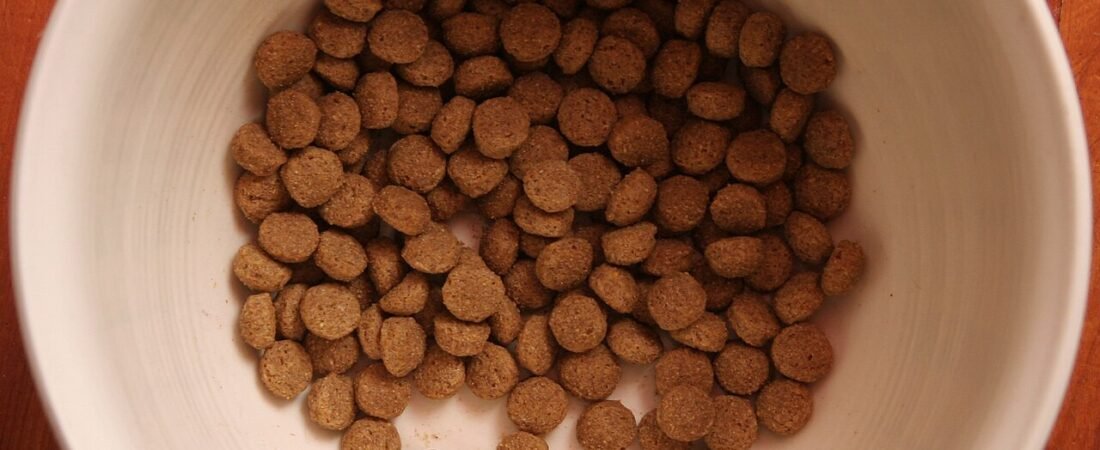
Photo: “Dog food in a bowl” by James Redekop, licensed under CC BY-SA 2.0.