Table of Contents
How PawSeniors Researches This
PawSeniors articles are written and edited in-house, then checked against primary veterinary sources before publishing.
- Every medical claim is sourced to the American Kennel Club, PetMD, VCA Animal Hospitals, or another named veterinary source, linked at the end of the article.
- Every claim is tied to a named, checkable veterinary source linked at the end of the article — nothing is published without a reference you can verify yourself.
- Articles are updated when veterinary guidance changes.
A small senior dog with a persistent, dry cough that sounds almost like a goose honking isn’t just being dramatic; this is often the first sign of tracheal collapse, a degenerative condition that affects the windpipe itself rather than the lungs or throat.
What’s Actually Happening in the Windpipe
The trachea is normally held open by a series of C-shaped cartilage rings; in tracheal collapse, these rings gradually weaken and flatten over time, narrowing the airway and making it harder for air to pass through freely. This is a genuinely degenerative, progressive process, meaning it tends to worsen gradually over months or years rather than appearing suddenly overnight.
Who’s Most Likely to Develop It
Tracheal collapse occurs most frequently in middle-aged to senior dogs between roughly 4 and 14 years old, with small and toy breeds disproportionately affected, including Chihuahuas, Pomeranians, Shih Tzus, Lhasa Apsos, Toy Poodles, and Yorkshire Terriers. Genetics play a role, but excess body weight and chronic coughing itself can both worsen the underlying cartilage weakness over time.
Recognizing the Cough
The hallmark sign is a dry, harsh, honking cough that tends to flare up with excitement, exercise, heat and humidity, eating or drinking, or any pressure applied to the neck area, such as from a standard collar and leash. In more advanced or severe cases, the narrowed airway can lead to genuine respiratory distress and visible difficulty breathing, which warrants prompt veterinary attention rather than waiting to see if it passes.
Treatment: Managing It Long-Term
Medical management works for a meaningful stretch of time in roughly 70 percent of affected dogs and typically includes cough suppressants, anti-inflammatory medication, and sometimes mild sedatives to reduce coughing episodes and the airway irritation they cause. Switching from a collar to a harness is one of the simplest and most effective changes an owner can make, since it removes direct pressure from the already-compromised trachea every time the dog pulls or is walked.
Weight management matters considerably too, since extra body weight puts additional pressure on the airway and can accelerate how quickly symptoms progress. For dogs whose condition continues worsening despite medical management, surgical placement of external rings or an internal stent to support the trachea structurally is an option, though it’s generally reserved for more severe, harder-to-manage cases.
Weight Management’s Outsized Role
Because extra body weight adds direct pressure on an already weakened trachea, even a modest reduction toward a healthy weight can measurably reduce coughing frequency and severity in affected dogs. This makes weight management one of the few interventions an owner has significant direct control over, alongside the collar-to-harness switch, without needing to adjust medication at all.
When Surgery Becomes the Right Conversation
Surgery is generally reserved for dogs whose coughing and breathing difficulty continue significantly impacting quality of life despite consistent medical management and lifestyle changes. A veterinary surgeon can place external rings around the outside of the trachea, or in some cases an internal stent, to physically support the airway; both come with real risks and recovery time, which is why they’re typically considered only after medical management has had a genuine chance to work.
Avoiding Common Triggers Day to Day
Cigarette smoke, aerosol sprays, scented candles, and other airborne irritants can trigger coughing episodes in a dog with a sensitive, weakened trachea, so reducing exposure to these at home is a simple, no-cost step alongside medication and harness use. Keeping a dog calm during exciting moments, like visitors arriving, can also help, since excitement itself is one of the more common coughing triggers owners notice.
What a Coughing Episode Emergency Looks Like
While most coughing fits resolve on their own within a minute or two, blue-tinged gums, extreme distress, or a dog who seems unable to catch their breath at all warrants an immediate emergency vet visit rather than waiting to see if it passes, since these signs can indicate the airway has become critically narrowed.
Sources: VCA Animal Hospitals — Tracheal Collapse in Dogs, PetMD — Collapsing Trachea in Dogs.
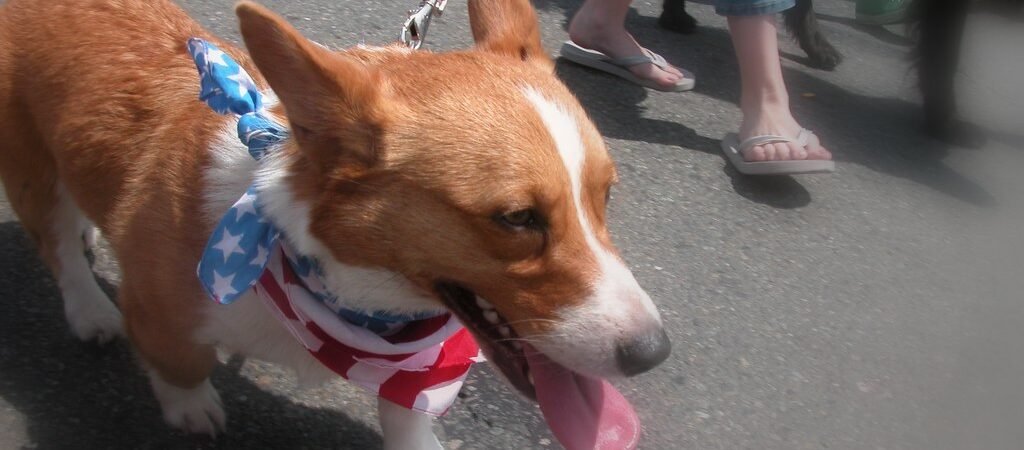
Photo: "random dog" by TroyMasonPhotography, licensed under CC BY 2.0. Source.