Table of Contents
- Why Your Vet’s Perspective Genuinely Helps
- The “Good Days Versus Bad Days” Framework
- The “Rule of Five Good Things”
- The Signs That Tend to Weigh Most Heavily
- There Is No Universal Right Timing
- Giving Yourself Permission to Decide With Love, Not Guilt
- What Often Happens During the Appointment
- Aftercare and Honoring Their Memory
How PawSeniors Researches This
PawSeniors articles are written and edited in-house, then checked against primary veterinary sources before publishing.
- Every medical claim is sourced to the American Kennel Club, PetMD, VCA Animal Hospitals, or another named veterinary source, linked at the end of the article.
- Every claim is tied to a named, checkable veterinary source linked at the end of the article — nothing is published without a reference you can verify yourself.
- Articles are updated when veterinary guidance changes.
There’s rarely a single, obvious moment that makes the decision to say goodbye to a senior pet clear, and most owners describe this as one of the hardest calls they’ve ever had to make. Understanding how vets actually think through this decision can make it feel less like guessing alone in the dark.
Why Your Vet’s Perspective Genuinely Helps
Your veterinarian is a valuable resource specifically because they can assess your pet’s condition with some clinical distance that’s genuinely hard for an owner to have about their own beloved pet. Vets weigh appetite, energy level, body condition, mobility, pain, and cognitive function together as a fuller picture of quality of life, rather than focusing on any single symptom in isolation, and talking through this assessment with your vet directly, rather than trying to judge it entirely alone, tends to produce a decision you can feel more at peace with afterward.
The “Good Days Versus Bad Days” Framework
A commonly used, genuinely practical guideline is considering the balance of good days to bad: when bad days start meaningfully outnumbering good ones, many veterinarians consider that a reasonable point to seriously discuss euthanasia rather than continuing to wait for a clearer sign. This ties directly into the kind of day-by-day tracking covered in our guide to the HHHHHMM Quality of Life Scale, which gives this general framework more concrete structure to actually apply.
The “Rule of Five Good Things”
Another practical approach: identify the five things your specific pet has always loved most, whether that’s a favorite walk, greeting you at the door, a particular toy, or a favorite spot in the sun, and watch specifically for when they can no longer meaningfully do three or more of them. This personalizes the decision around what actually matters to your individual pet’s experience of life, rather than applying a generic checklist that might miss what genuinely made their days good in the first place.
The Signs That Tend to Weigh Most Heavily
Difficulty breathing normally, and an inability to eat or drink, are considered among the most serious warning signs, since both point to a level of distress that’s difficult to manage even with supportive care. Loss of basic mobility, being unable to walk, stand, or use the bathroom without significant help or distress, is another heavily weighted factor, since these fundamental abilities affect nearly every part of a pet’s daily comfort and dignity.
There Is No Universal Right Timing
The window during which euthanasia becomes the appropriate, compassionate decision is genuinely subjective and can span hours, days, weeks, or in some cases months, depending entirely on a pet’s specific condition and how it’s progressing. There’s no single right moment that applies the same way to every pet or every family, which is exactly why leaning on your vet’s clinical judgment alongside your own intimate knowledge of your pet tends to produce a more confident decision than trying to find one universal, objective sign to wait for.
Giving Yourself Permission to Decide With Love, Not Guilt
Many owners second-guess themselves both for deciding too early and for waiting too long, and that dual anxiety is a normal, common part of this specific decision rather than a sign you’re doing it wrong. Choosing to end suffering with the guidance of a professional who’s helped many families through exactly this moment is, for the overwhelming majority of pets and owners, an act of love and responsibility, not something to carry guilt over once the decision is made thoughtfully and with real care.
What Often Happens During the Appointment
Most vets walk owners through exactly what to expect beforehand, offer the choice of being present or stepping out, and use a sedative first so the pet is calm and unaware before the final medication is given, meaning the process itself is typically peaceful and far gentler than owners fear going into it. Many clinics and in-home services also offer keepsakes such as a paw print or a lock of fur, and give families as much unhurried time with their pet, both before and after, as they need.
Aftercare and Honoring Their Memory
Many families find comfort in simple rituals afterward, a favorite blanket, a paw print casting, or choosing cremation versus home burial according to what feels right, and there is no correct timeline for grief; some people feel ready for a new pet within weeks, others need much longer, and both are normal responses to this specific kind of loss.
Sources: American Kennel Club — Pet Euthanasia: How to Know When It’s Time to Say Goodbye, VCA Animal Hospitals — Quality of Life at the End of Life for Your Dog.
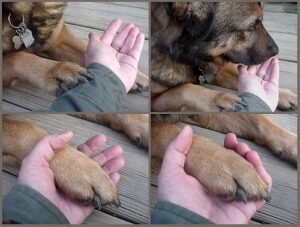
Photo: "elderly woman with dog" by x1klima, licensed under CC BY-ND 2.0. Source.