Table of Contents
- Why Cats Hide Pain So Effectively
- The Feline Grimace Scale
- An Important Limitation Worth Understanding
- Behavioral Signs Worth Watching For Alongside the Face
- Using These Tools Together at Home
- When to Bring Concerns to Your Vet
- Where Pain Often Hides in Senior Cats
- What to Do If You Suspect Your Cat Is in Pain
- Tools That Can Help You Track Changes
How PawSeniors Researches This
PawSeniors articles are written and edited in-house, then checked against primary veterinary sources before publishing.
- Every medical claim is sourced to the American Kennel Club, PetMD, VCA Animal Hospitals, or another named veterinary source, linked at the end of the article.
- Every claim is tied to a named, checkable veterinary source linked at the end of the article — nothing is published without a reference you can verify yourself.
- Articles are updated when veterinary guidance changes.
Cats are famously good at hiding pain, and a senior cat quietly living with chronic arthritis or dental discomfort can look deceptively normal to an owner who doesn’t know the subtle, specific signs to watch for.
Why Cats Hide Pain So Effectively
This instinct traces back to a cat’s evolutionary history as both predator and prey, where appearing vulnerable carried real survival risk, and that deeply wired behavior hasn’t gone away in a house cat living a comfortable indoor life. The practical result is that cats rarely limp dramatically or vocalize the way a dog in pain often does, which is a major reason feline pain, especially chronic pain from arthritis, is thought to be significantly underdiagnosed across the board.
The Feline Grimace Scale
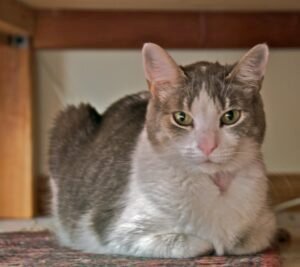
Researchers have developed a scientifically validated tool called the Feline Grimace Scale, which assesses pain through five specific facial features: ear position, orbital tightening or squinting, muzzle tension, whisker position, and head position. Ears rotated outward or flattened, eyes held tightly closed, and whiskers pulled forward or pinned back all indicate discomfort, and the scale has been shown to detect pain with genuinely high accuracy when used correctly, even by owners without veterinary training.
An Important Limitation Worth Understanding
The Feline Grimace Scale was specifically designed and validated for acute pain, things like post-surgical discomfort, rather than as a standalone tool for the chronic pain many senior cats actually live with day to day. This doesn’t make it useless for a senior cat, but it works best as one additional clue layered alongside behavioral changes, rather than the single deciding factor in judging whether an older cat is comfortable.
Behavioral Signs Worth Watching For Alongside the Face
Slow chewing, dropping kibble while eating, or actively avoiding dry food in favor of softer options can be classic, easily overlooked signs of dental pain specifically. More broadly, reduced grooming, especially over the hips and lower back which are harder to reach when movement hurts, sleeping in lower, easier-to-reach spots than before, and a general narrowing of activity, fewer jumps, less interest in play, are all the kind of subtle, gradual changes that chronic pain produces in cats far more often than an obvious limp or cry.
Using These Tools Together at Home
Combining a periodic facial check using Grimace Scale principles with ongoing attention to these behavioral patterns gives a more complete picture than either approach alone. Taking a quick photo or short video when you’re unsure creates something concrete to review later, or to show your vet directly, rather than relying purely on memory of how your cat seemed a few days ago.
When to Bring Concerns to Your Vet
Any pattern that suggests persistent discomfort, whether from facial tension, a genuine behavior shift, or both together, is worth a vet visit specifically framed around pain assessment, since cats respond well to pain management once it’s actually identified and addressed. Given how effectively cats mask discomfort, erring toward bringing up a subtle, uncertain change rather than waiting for something more obvious tends to catch treatable pain considerably earlier.
Where Pain Often Hides in Senior Cats
Arthritis is one of the most under-recognized sources of chronic pain in senior cats, since cats rarely limp the way dogs do and instead simply jump less, groom less thoroughly, or avoid the litter box if its sides are hard to climb over. Dental disease, chronic cystitis, and pancreatitis are other common, easily overlooked sources of ongoing discomfort that can produce exactly the kind of subtle behavior changes described above.
What to Do If You Suspect Your Cat Is in Pain
Because cats mask pain so effectively, any change in grooming habits, litter box use, appetite, or willingness to jump onto favorite perches is worth mentioning to a vet rather than dismissing as “just getting older.” A trial course of pain management, prescribed and monitored by a vet, is often the most reliable way to confirm pain was the cause, since owners frequently report their cat seeming “like a kitten again” once appropriate treatment begins.
Tools That Can Help You Track Changes
Keeping a simple daily log of grooming habits, appetite, and activity level makes subtle declines easier to spot than relying on memory, and gives your vet concrete before-and-after detail to work with when deciding whether a pain trial or further diagnostics are warranted.
Sources: Feline Grimace Scale — Validated Pain Assessment Tool, PetMD — 10 Most Common Illnesses in Senior Cats.
Photo: "Count the cats!" by eva101, licensed under CC BY 2.0. Source.