Table of Contents
- Why Noise Sensitivity Often Worsens With Age
- The Pain Connection Many Owners Miss
- Practical Management During a Storm
- Gradual Desensitization Between Storms
- Products and Aids Worth Considering
- When Medication Becomes the Right Call
- Preparing Before Storm Season Arrives
- When to Involve Your Vet Directly
How PawSeniors Researches This
PawSeniors articles are written and edited in-house, then checked against primary veterinary sources before publishing.
- Every medical claim is sourced to the American Kennel Club, PetMD, VCA Animal Hospitals, or another named veterinary source, linked at the end of the article.
- Every claim is tied to a named, checkable veterinary source linked at the end of the article — nothing is published without a reference you can verify yourself.
- Articles are updated when veterinary guidance changes.
A dog who used to sleep through thunderstorms without a second glance and now trembles, paces, or tries to hide at the first distant rumble is showing a pattern many owners notice specifically as their dog ages: storm and noise anxiety that genuinely gets worse with time rather than better.
Why Noise Sensitivity Often Worsens With Age
Noise sensitivity affects a meaningful share of dogs generally, and that sensitivity tends to climb specifically in dogs over roughly seven years old. Several age-related changes feed into this: hearing loss can affect a dog’s ability to localize exactly where a sound is coming from, which paradoxically can make an already-unpredictable noise like thunder feel even more unpredictable and threatening rather than less. Cognitive decline adds its own layer, since increased anxiety is a recognized component of canine cognitive dysfunction, separate from noise sensitivity itself but often overlapping with it in the same aging dog.
The Pain Connection Many Owners Miss
Arthritis and other sources of chronic pain play a genuinely underappreciated role in worsening storm anxiety specifically. Storms bring drops in barometric pressure, and that pressure change can worsen the aches and joint pain of a dog already managing arthritis, adding a physical discomfort layer on top of the noise and light sensitivity that would otherwise be the whole picture. A dog whose storm anxiety has noticeably worsened is worth having assessed for undertreated joint pain, not just anxiety alone, since addressing both pieces together tends to work better than addressing either in isolation.
Practical Management During a Storm
Providing a safe, enclosed space, a covered crate or a small room without windows, gives an anxious dog somewhere to retreat that feels more secure than an open room during a storm. Background sound, a television or white noise machine at a moderate volume, helps mask the unpredictable rumbling and cracks of thunder itself. It’s worth directly addressing a common misconception here: comforting a frightened dog during a storm does not reinforce or worsen their fear, since fear is an involuntary physiological response rather than a behavior that responds to reward, so offering comfort when your dog seeks it is entirely appropriate rather than something to withhold.
Gradual Desensitization Between Storms
For dogs whose anxiety is significant enough to warrant more structured intervention, gradual desensitization, playing recordings of thunder at a low volume that doesn’t trigger fear, paired with treats or a favorite game, and very slowly increasing volume over weeks to months, can genuinely reduce sensitivity over time. This needs to happen well before storm season and outside of any actual storm, stopping immediately if a dog shows any sign of distress, since pushing too far too fast can set the process back rather than help it.
Products and Aids Worth Considering
A snugly fitted anxiety wrap, worn consistently rather than only during storms, and pheromone-based calming products are commonly used lower-intervention options many owners try first. For senior dogs specifically managing storm fear alongside other health issues, a combined approach using supportive products alongside pain management for any underlying arthritis has shown real benefit in structured treatment plans.
When Medication Becomes the Right Call
For dogs whose noise anxiety remains significant despite management strategies, prescription medication, commonly trazodone or sileo, both used specifically for situational anxiety, can meaningfully improve quality of life during storms and other loud events. This isn’t a step to feel reluctant about; genuine noise phobia causes real, measurable distress, and medication used appropriately under veterinary guidance is a legitimate, often necessary tool rather than a last resort to avoid.
Preparing Before Storm Season Arrives
Rather than only reacting once a storm is already underway, identifying calming tools, a safe space, white noise setup, an anxiety wrap, before storm season begins gives you a ready routine to fall back on rather than scrambling in the moment. For dogs on prescription anti-anxiety medication, discussing dosing timed ahead of forecasted storms with your vet, rather than only after anxiety has already peaked, tends to produce better results than reactive dosing once distress has set in.
When to Involve Your Vet Directly
A sudden worsening in noise sensitivity, especially alongside other new behavior changes, disorientation, altered sleep patterns, or increased general anxiety beyond just storms, is worth a vet visit specifically to rule out or address an underlying contributor like undiagnosed pain or progressing cognitive decline. Treating noise anxiety as an isolated behavioral quirk, without considering these connected possibilities in a senior dog, sometimes means missing a more complete picture of what’s actually driving the change.
Sources: PetMD — Thunderstorm Phobia in Dogs.
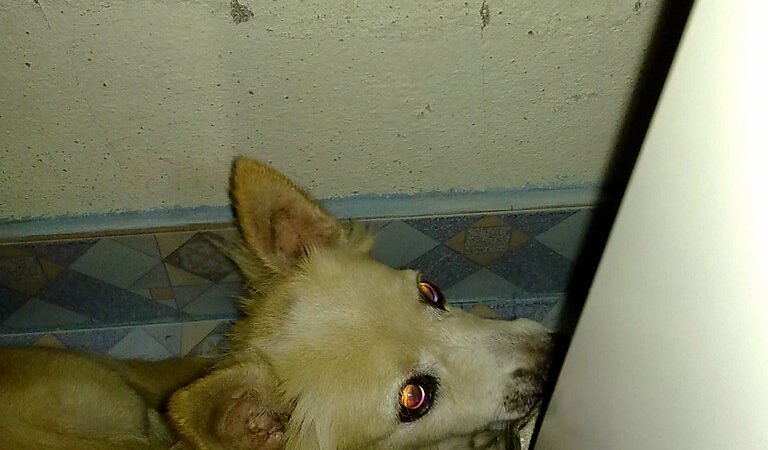
Photo: "My dog, Judy scared from thunder sound" by Honou, licensed under CC BY 2.0. Source.