Table of Contents
- What Degenerative Myelopathy Actually Is
- The Early Signs, Which Are Easy to Mistake for Arthritis
- The Key Distinguishing Feature: No Pain
- How It’s Diagnosed
- How the Disease Progresses
- Managing Quality of Life Through the Disease
- Which Breeds Carry Higher Genetic Risk
- Supporting a Family Through a DM Diagnosis
How PawSeniors Researches This
PawSeniors articles are written and edited in-house, then checked against primary veterinary sources before publishing.
- Every medical claim is sourced to the American Kennel Club, PetMD, VCA Animal Hospitals, or another named veterinary source, linked at the end of the article.
- Every claim is tied to a named, checkable veterinary source linked at the end of the article — nothing is published without a reference you can verify yourself.
- Articles are updated when veterinary guidance changes.
A senior large-breed dog who starts wobbling in the hind legs, scuffing their back toes while walking, or seems to be losing coordination without any apparent pain may be showing the early signs of degenerative myelopathy, a progressive spinal cord disease that’s often confused with arthritis or hip dysplasia at first.
What Degenerative Myelopathy Actually Is
Degenerative myelopathy, sometimes called DM or chronic degenerative radiculomyelopathy, is a disease of the spinal cord that causes slowly progressive weakness and eventual paralysis, typically starting in the hind limbs and gradually moving forward toward the front of the body over time. It usually appears in dogs around nine years of age or older, placing it squarely in the senior years, and it’s genuinely distinct from the more familiar causes of hind-end weakness like arthritis or intervertebral disc disease, even though the early presentation can look deceptively similar.
The Early Signs, Which Are Easy to Mistake for Arthritis
Initial signs include a loss of coordination in the hind limbs, swaying or wobbling while walking, and rear feet knuckling over or dragging, sometimes noticed first as unusual wear on the tops of the back toenails from repeated scuffing against the ground. Difficulty with stairs, squatting to defecate, or jumping into the car are also common early complaints, and because these overlap so heavily with typical arthritis symptoms, DM is frequently misattributed to joint pain at first, especially since signs often start subtly, sometimes affecting just one leg before progressing further.
The Key Distinguishing Feature: No Pain
One of the more important, and more unsettling, features of degenerative myelopathy is that dogs generally don’t show pain throughout the disease’s progression, even as weakness and coordination loss become significant. This is a genuinely useful diagnostic clue: a dog whose hind-end weakness is accompanied by clear pain responses is more likely dealing with an arthritic or disc-related issue, while a dog who shows progressive weakness without the flinching, yelping, or reluctance to be touched typically seen with painful conditions points more toward DM, though a full vet workup is still needed to distinguish between these possibilities with confidence.
How It’s Diagnosed
Because DM’s early signs overlap with several other, sometimes more treatable, spinal and joint conditions, diagnosis typically involves ruling those other causes out first, through imaging like an MRI, and sometimes a specific genetic test that identifies a mutation associated with DM risk in certain breeds. It’s worth understanding that a positive genetic test indicates increased risk, not a certain diagnosis, since some dogs carrying the mutation never develop clinical disease, which is why genetic testing is used alongside, not instead of, clinical signs and imaging.
How the Disease Progresses
DM follows a fairly predictable, if painful to witness, progression: hind limb weakness gradually worsens toward paralysis, followed eventually by urinary and fecal incontinence as the disease advances, and in later stages, weakness can spread to the front limbs as well, with swallowing difficulties possible in the most advanced stages. This progression typically unfolds over six months to three years, varying considerably by individual dog.
Managing Quality of Life Through the Disease
There’s currently no cure or treatment that stops DM’s progression, but physical rehabilitation, including hydrotherapy and structured exercise, is widely used to help maintain muscle mass and mobility for as long as possible, genuinely extending the period of good-quality mobile life. Supportive equipment, harnesses for hind-end support, carts or wheelchairs once walking is no longer possible, and protective boots to prevent injury from dragging paws, all help maintain a dog’s engagement with normal life even as the disease progresses, and many owners find that focusing on maximizing comfort and continued participation in daily routines matters more than any single medical intervention at this stage.
Which Breeds Carry Higher Genetic Risk
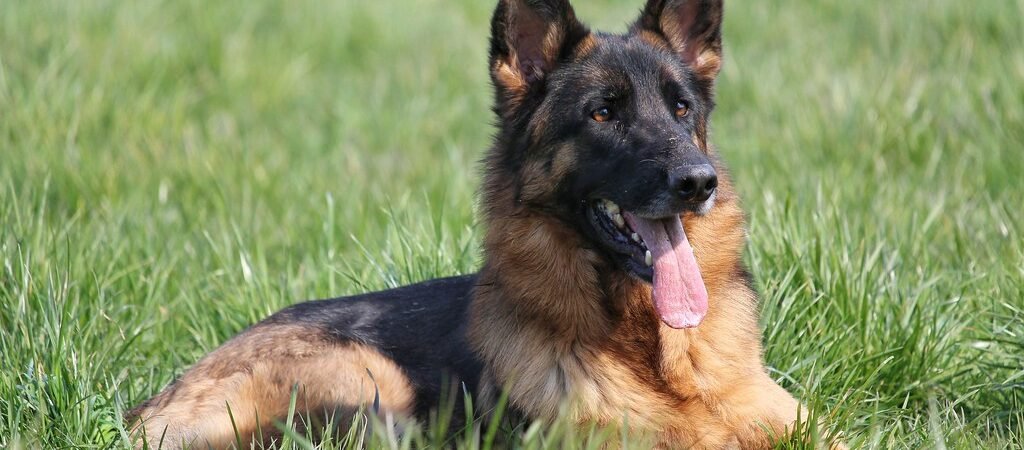
Certain breeds show a notably higher prevalence of the genetic mutation associated with DM, including Pembroke Welsh Corgis, Boxers, German Shepherds, and Chesapeake Bay Retrievers among others, though the disease has been documented across a wide range of breeds and mixed-breed dogs as well. Genetic testing is available for at-risk breeds and can be a useful tool for breeders trying to reduce prevalence over generations, even though, as mentioned, a positive result in an individual dog indicates risk rather than certainty of future disease.
Supporting a Family Through a DM Diagnosis
A DM diagnosis is emotionally difficult, partly because the progression, while gradual, is relentless and not currently reversible with any known treatment. Connecting with a veterinary rehabilitation specialist early, rather than after mobility has already declined significantly, gives a dog the best chance at an extended period of good mobile function, and many owners find that focusing on what can still be done, rehabilitation, mobility support, quality time, provides a more manageable path forward than focusing on what can’t be changed about the disease’s trajectory.
Sources: American Kennel Club — Degenerative Myelopathy: Causes, Symptoms, and Treatment, VCA Animal Hospitals — Degenerative Myelopathy in Dogs.
Photo: "German shepherd dog" by Ronoli, licensed under CC BY 2.0. Source.