Table of Contents
How PawSeniors Researches This
PawSeniors articles are written and edited in-house, then checked against primary veterinary sources before publishing.
- Every medical claim is sourced to the American Kennel Club, PetMD, VCA Animal Hospitals, or another named veterinary source, linked at the end of the article.
- Every claim is tied to a named, checkable veterinary source linked at the end of the article — nothing is published without a reference you can verify yourself.
- Articles are updated when veterinary guidance changes.
Chronic kidney disease is, by a wide margin, one of the most common conditions senior cats face, affecting an estimated 30 to 40 percent of cats over ten and the majority of cats past fifteen. It’s also one of the more quietly progressive conditions, since a cat’s kidneys can lose a significant share of their function before any symptoms become obvious.
Why Cats Are So Prone to This
Unlike dogs, whose most common senior kidney-related concerns often stem from a specific triggering illness, cats develop chronic kidney disease as a genuinely common feature of aging itself, with kidney tissue gradually losing function over years. This is part of why chronic kidney disease is described as mainly a problem of mature and senior cats, seven and older, with prevalence climbing sharply the older a cat gets.
Early Signs, Which Are Easy to Miss
The earliest sign is usually increased thirst and urination, since failing kidneys lose their ability to concentrate urine properly, causing a cat to drink more to compensate and produce more dilute urine as a result. Early on, this is often accompanied by only mild weight loss and a slightly reduced appetite, changes subtle enough that they’re frequently missed or attributed to normal aging for months before anyone connects them to the kidneys specifically.
How the Disease Is Staged
Vets classify chronic kidney disease into four stages based primarily on bloodwork markers, creatinine and BUN, along with the presence and severity of symptoms. In stage one, the earliest and mildest, these markers are still within a normal range even though the kidneys have already lost some function, detectable mainly through a cat’s reduced ability to concentrate urine. By stage two, creatinine and BUN are mildly elevated with generally mild symptoms, and some cats also develop high blood pressure at this point. The disease progresses through stage three to stage four, considered end-stage, where creatinine and BUN are severely elevated and the majority of kidney function has been lost.
What Management Actually Looks Like
Chronic kidney disease can’t be reversed, but especially when caught early, its progression can often be slowed considerably, and quality of life maintained for a meaningful stretch of time. A kidney-support diet, lower in phosphorus and formulated to ease the kidneys’ workload, is one of the most consistently recommended interventions across every stage. Depending on severity, treatment may also include fluid therapy, sometimes given at home via subcutaneous injection in more advanced cases, blood pressure medication, phosphate binders, and appetite stimulants, tailored to each cat’s specific bloodwork and symptoms.
Why Early Detection Changes the Outlook
Because so much kidney function can be lost before obvious symptoms appear, routine senior wellness bloodwork, generally recommended twice yearly once a cat is considered senior, is one of the most effective tools for catching chronic kidney disease at an earlier, more manageable stage rather than after significant function is already gone.
Diet and Hydration Tips Beyond the Prescription Food
Getting a cat to actually eat a kidney-support diet consistently is often the hardest part of managing chronic kidney disease, since these diets typically need to make up the large majority of a cat’s intake to be effective, and cats can be notoriously particular about switching foods. A slow transition over one to two weeks, mixing increasing amounts of the new food with the old, gives a cat’s palate time to adjust and reduces the chance of an outright refusal that sends you back to the old diet.
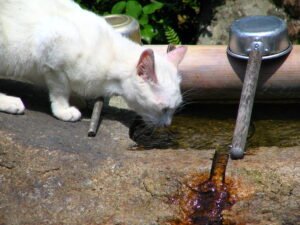
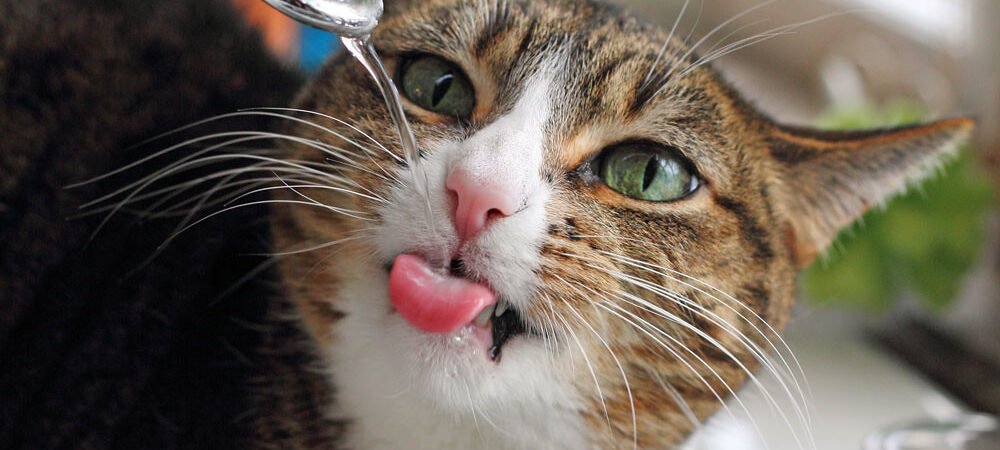
Hydration matters just as much as diet in CKD management, since cats with failing kidneys lose the ability to concentrate urine and need more water intake to compensate. Wet food naturally provides far more moisture than dry kibble, which is part of why many vets recommend shifting a CKD cat toward wet food specifically. Multiple water stations around the house, pet water fountains (many cats prefer moving water to a still bowl), and even adding a little extra water to wet food are all simple, low-effort ways to nudge water intake upward without forcing anything.
What Regular Monitoring Looks Like
Once a cat is diagnosed with chronic kidney disease, monitoring becomes an ongoing part of care rather than a one-time event. Vets typically recheck bloodwork and urine every few months, more frequently soon after diagnosis or a treatment change, and less often once a cat is stable, to track whether the disease is holding steady or progressing and to adjust diet or medication accordingly. Blood pressure checks are usually part of this routine too, since untreated high blood pressure can accelerate kidney damage and affect other organs, particularly the eyes. This ongoing monitoring is what allows treatment to stay responsive to a cat’s actual bloodwork rather than following a fixed plan that may no longer fit as the disease progresses.
Sources: PetMD — Kidney Disease in Cats: Signs, Causes, and Treatment, VCA Animal Hospitals — Chronic Kidney Disease in Cats.
Photo: "Kitty Drinks" by TBoard, licensed under CC BY 2.0. Source.