Table of Contents
How PawSeniors Researches This
PawSeniors articles are written and edited in-house, then checked against primary veterinary sources before publishing.
- Every medical claim is sourced to the American Kennel Club, PetMD, VCA Animal Hospitals, or another named veterinary source, linked at the end of the article.
- Every claim is tied to a named, checkable veterinary source linked at the end of the article — nothing is published without a reference you can verify yourself.
- Articles are updated when veterinary guidance changes.
Finding a wet spot where your dog was just sleeping is one of the more distressing things a senior-dog owner encounters, partly because it’s easy to misread as a behavioral regression. It almost never is. Urinary, or urethral, incontinence is the involuntary leakage of urine, typically noticed during rest or sleep, and it’s a medical symptom with identifiable causes — not a training problem to correct with more trips outside.
Who Gets It Most
Urinary incontinence affects over 20% of all spayed female dogs and up to 30% of large-breed dogs, making it far more common than most owners realize. It’s most frequently seen in middle-aged to senior, medium-to-large-breed female dogs, though any dog — any breed, either sex, any age — can be affected. The scale of that statistic matters: if this is happening to your dog, you’re dealing with something genuinely common in veterinary practice, not a rare or unusual problem.
What’s Actually Causing It
The single most common cause is urethral sphincter mechanism incompetence, often shortened to USMI — the muscles that keep urine sealed inside the bladder weaken, most often linked to reduced estrogen levels in spayed females. This is a hormone-responsive condition, which is part of why hormone-based treatment works for many dogs. But USMI isn’t the only cause, and ruling out the others matters:
- Neurological causes — spinal injuries or nerve disruption affecting bladder control.
- Urinary tract infections — can cause incontinence-like symptoms that resolve once the infection is treated.
- Anatomic abnormalities — conditions like ectopic ureters or urethral hypoplasia, more often congenital but sometimes only becoming apparent later.
- Bladder storage dysfunction — the bladder itself not holding urine properly.
- Bladder tumors or compression — less common, but part of why a proper workup matters rather than assuming USMI by default.
- Cognitive dysfunction — in some senior dogs, incontinence is tied to confusion and disorientation rather than a physical bladder or sphincter problem, in which case it often appears alongside other DISHAA signs.
- Obesity — recognized as a contributing risk factor, adding another reason weight management matters broadly in senior dog care.
Because the causes are this varied, and because obesity and cognitive dysfunction are both modifiable or at least identifiable contributors, an accurate diagnosis genuinely changes what treatment looks like — this isn’t a condition where one default treatment fits everyone.
How Vets Diagnose It
A full workup typically includes reviewing clinical history and symptoms, blood and urine tests, bladder X-rays or ultrasound, and sometimes a neurological exam checking reflexes and sensation. For more complex or unclear cases, additional tools include urinary catheterization to assess for obstruction, cystoscopy (a camera-based visual exam), or specialized bladder pressure measurements. Most dogs don’t need every one of these — the workup is tailored to what the initial signs and basic tests suggest.
Treatment Options
The encouraging news: roughly 70% of dogs respond well to medical therapy alone, meaning surgery is the exception rather than the default.
- Medications. Phenylpropanolamine (PPA) is a commonly used first-line medication that strengthens the muscles controlling urination. For spayed females with hormone-responsive USMI, adding estrogen back (or a related compound like diethylstilbestrol) is often effective, sometimes combined with PPA for a stronger response.
- Surgical options. For dogs who don’t respond adequately to medication, procedures like collagen injections, colposuspension, or cystourethropexy are available, typically performed by a veterinary surgical specialist.
- Emerging therapies. Botulinum toxin injections and stem cell therapy are newer options being used in some cases, though these are less universally available than the standard medical approaches.
- Management support. Regardless of the underlying treatment, more frequent outdoor bathroom breaks and periodic blood/urine monitoring round out day-to-day management, and products like washable or disposable dog diapers can bridge the gap while treatment takes effect or for dogs with incomplete response.
The Prognosis Is Genuinely Good
Prognosis for urinary incontinence in dogs is generally good, with most dogs manageable through medication and lifestyle adjustments alone. This is worth sitting with: incontinence often feels like a major, distressing decline to owners the first time they encounter it, but for the large majority of affected dogs, a relatively straightforward medication routine resolves or substantially improves the problem within weeks.
The Bottom Line
New incontinence in a senior dog is a reason for a vet visit, not self-blame or a training correction — it isn’t a behavior problem, and in the vast majority of cases it responds well to identifying the right cause and starting the matching treatment. Given how common it is and how good the response rates are, there’s little reason to manage it silently with just extra cleanup rather than addressing the underlying cause.
Sources: VCA Animal Hospitals — Urinary Incontinence (Urethral Incontinence) in Dogs, PetMD — Chronic Kidney Disease in Dogs.
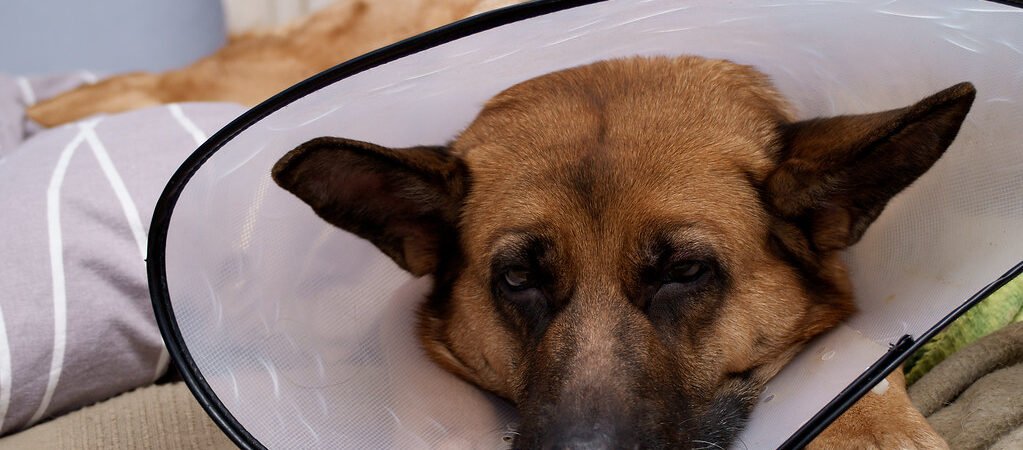
Photo: "Do I have to wear this?" by Nick Mitha, licensed under CC BY 2.0. Source.
Phenylpropanolamine: The Most Common Medication
The most frequently prescribed medication for urethral sphincter incontinence in dogs is phenylpropanolamine, sold under the brand name Proin among others. It works by stimulating alpha-adrenergic receptors in the urethral sphincter, increasing muscle tone there and helping the sphincter stay closed between bathroom trips rather than leaking passively. In clinical studies, phenylpropanolamine controlled unwanted leakage in the large majority of treated dogs, with most owners reporting satisfactory continence within the first month of consistent use.
Dosing schedules vary: some formulations are given once daily, others twice daily or every eight hours, depending on the specific product and how a dog responds. It’s generally considered safe for long-term use under veterinary supervision, though dogs with high blood pressure, heart disease, liver or kidney disease, diabetes, or glaucoma need it used cautiously and monitored, since the medication’s effect on blood pressure and heart rate is the main safety consideration.
Ruling Out Other Causes First
Before starting a medication like phenylpropanolamine, it’s worth confirming that sphincter weakness is actually the cause, since incontinence in senior dogs can stem from several different problems that look identical from the outside but need different treatment. Urinary tract infections, bladder stones, hormonal changes after spaying (which affects estrogen’s supportive role in urethral tone), spinal or neurological issues affecting bladder control, and even diabetes or kidney disease causing increased urine volume can all present as leaking without being sphincter incontinence at all. This is why a vet visit that includes a urinalysis, and sometimes imaging, matters more here than trying an over-the-counter product first: treating the wrong underlying cause with a sphincter-tone medication won’t fix a bladder infection or a hormonal issue, and could delay a diagnosis that needs its own treatment.
Managing Accidents at Home Without Punishment
While diagnosis and medication are being sorted out, or in dogs where incontinence isn’t fully resolved by treatment, practical home management makes daily life easier for both dog and owner. Washable, absorbent bedding in a senior dog’s usual sleeping spots protects furniture and floors without requiring the dog to be crated or excluded from favorite resting places. Belly bands or diapers designed for dogs can help in specific situations, though they need frequent changing to avoid skin irritation and shouldn’t be used as a substitute for medical evaluation.
It’s worth stating plainly: urinary incontinence is not a training or behavioral problem in a senior dog who was previously reliably housetrained, and punishing a dog for involuntary leakage doesn’t address the physical cause and can damage trust for no benefit. A dog who suddenly starts having accidents deserves a vet visit, not a harsher tone.
Sources: PetMD — Proin for Dogs: Uses and Side Effects, VCA Animal Hospitals — Phenylpropanolamine.