Table of Contents
How PawSeniors Researches This
PawSeniors articles are written and edited in-house, then checked against primary veterinary sources before publishing.
- Every medical claim is sourced to the American Kennel Club, PetMD, VCA Animal Hospitals, or another named veterinary source, linked at the end of the article.
- Every claim is tied to a named, checkable veterinary source linked at the end of the article — nothing is published without a reference you can verify yourself.
- Articles are updated when veterinary guidance changes.
A senior cat that sleeps more and plays less isn’t necessarily bored, but it’s also not automatically fine. Mental stimulation matters just as much for aging cats as physical comfort does, and the kind of enrichment that worked at age three often needs rethinking by age twelve, both because energy levels change and because senses like hearing and vision can start to decline.
Why Mental Enrichment Still Matters
Cognitive decline is a real and fairly common part of feline aging, and mental engagement is one of the few tools an owner has real influence over. Keeping a senior cat’s mind actively working, through problem-solving, novel scents, or short bursts of play, can help slow the practical impact of cognitive decline and also reduces the stress and boredom that often show up as unwanted behaviors like excessive vocalizing or disrupted sleep patterns.
Adjust the Intensity, Not Just the Activity
The biggest mistake in enriching a senior cat’s life is assuming the same games that worked at a younger age will still land the same way. Older cats tire more quickly and are more prone to overexertion, so several short, low-key sessions spread through the day tend to work better than one long play session. Watching for early signs of fatigue, slower chasing, sitting out after a minute or two, matters more than it did at a younger age.
Puzzle Feeders and Foraging
Puzzle feeders turn a routine meal into a problem-solving task, engaging a cat’s mind while satisfying a natural instinct to work for food. Starting with an easy puzzle and increasing difficulty gradually keeps the activity rewarding rather than frustrating, which matters more for a senior cat that may need a gentler learning curve than a younger one. Scattering a portion of dry food around a room for a cat to hunt down works as a free, simple alternative for cats that don’t take to manufactured puzzle toys.
Scent-Based Enrichment
As hearing and vision decline with age, scent becomes an increasingly valuable channel for stimulation. A small “scent garden” of cat-safe plants like catnip, valerian, or silver vine, kept in easily reachable pots, gives a cat something new and engaging to investigate without requiring much physical effort. Rotating which toys and scratching surfaces are out at any given time, then reintroducing older ones later, can also make familiar objects feel new again.
Short, Instinct-Driven Play
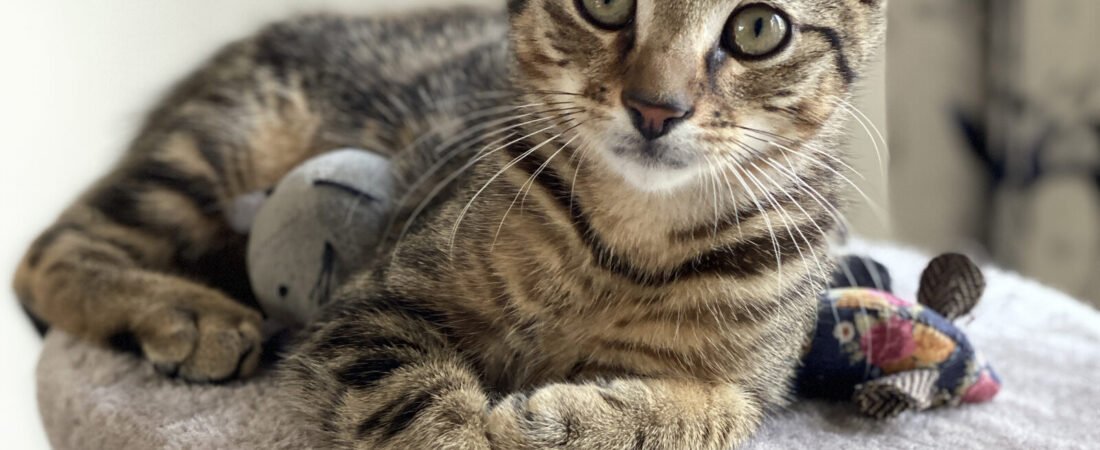
Wand toys and small toy mice that mimic prey movement tap into a cat’s hunting instinct more effectively than toys that just sit still waiting to be batted. For a senior cat, keeping these sessions to five or ten minutes, a few times a day, respects lower stamina while still delivering meaningful engagement. Letting the cat “win” and catch the toy periodically keeps the activity satisfying rather than endlessly frustrating.
Vertical Space and Window Access
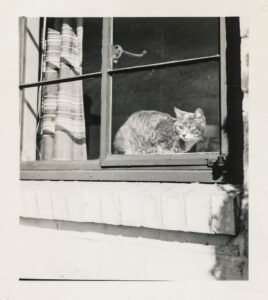
A window perch positioned to overlook birds, foot traffic, or a garden can occupy a senior cat for long stretches with essentially no physical demand, making it one of the highest-value, lowest-effort enrichment tools available. If jumping has become difficult, a low step or ramp up to the perch preserves access that arthritis might otherwise take away, which matters since giving up a favorite perch is a common quiet sign of joint pain.
Building a Simple Routine
- Morning: a short puzzle-feeder breakfast to start the day with light mental engagement.
- Midday: five to ten minutes of gentle wand-toy play, stopping at the first sign of tiring.
- Afternoon: quiet window-perch time, ideally somewhere with a view of outdoor activity.
- Evening: a scent-based activity, like a fresh sprig of catnip or a rotated toy, to close the day without requiring energy.
The Bottom Line
Mental enrichment for a senior cat isn’t about doing more, it’s about doing the right kind of less. Shorter, more frequent, lower-intensity activities that lean on problem-solving and scent rather than sustained chasing keep an aging cat’s mind engaged without asking more of an aging body than it can comfortably give.
Sources: Feliway — 5 Enrichment Ideas for Aging Cats, Lap of Love — 5 Easy Ways to Adjust Your Senior Cat’s Environmental Enrichment.
Photo: “Tabby Cat with Toy Mouse” by TudorTulok, licensed under CC BY-SA 4.0.