Table of Contents
How PawSeniors Researches This
PawSeniors articles are written and edited in-house, then checked against primary veterinary sources before publishing.
- Every medical claim is sourced to the American Kennel Club, PetMD, VCA Animal Hospitals, or another named veterinary source, linked at the end of the article.
- Every claim is tied to a named, checkable veterinary source linked at the end of the article — nothing is published without a reference you can verify yourself.
- Articles are updated when veterinary guidance changes.
If you’ve read our guide to litter box adaptations for arthritic cats, you already know the core fix is usually a lower entry and a bigger footprint, not a specialty product. That said, once you and your vet have confirmed arthritis is behind the accidents, the specific box you pick still matters. This guide compares the types worth considering so you’re choosing with clear information rather than guessing between similar-looking boxes at the store.
What to Look For
A few measurements matter more than brand names: entry height low enough that a stiff cat doesn’t need to lift a leg high to step in, a footprint at least 1.5 times your cat’s body length so turning around doesn’t twist a sore joint, and a lightweight, easy-to-clean material, since a box you find annoying to scoop tends to get cleaned less often, which pushes a cat toward avoiding it for a different reason entirely.
Low-Entry and Cut-Out Boxes
Boxes designed with a low-cut entry point, sometimes marketed for kittens but equally useful for arthritic seniors, remove the biggest physical barrier directly. Some owners repurpose a shallow storage container and cut a low entry themselves, which works just as well as a purpose-built product as long as the sides stay high enough to contain litter during digging.
Extra-Large Standard Boxes
For cats who can still step over a moderate lip but struggle to turn around comfortably once inside, simply sizing up an otherwise standard box solves the space problem without needing a specialty low-entry design. This is often the easiest and cheapest fix, since oversized standard boxes are widely available and don’t require hunting for a niche product.
Enclosed vs. Open: Why Open Usually Wins for Arthritic Cats
Covered boxes trap odor and appeal to some owners for that reason, but the hooded entry usually sits higher than the box’s own side height, adding an extra barrier on top of the one you’re trying to remove. An open, low-sided box gives an arthritic cat a clear, low approach from any angle, which matters more than odor control once mobility is the priority.
Self-Cleaning Litter Boxes: Worth It for a Senior Cat?
Self-cleaning boxes solve a different problem, litter freshness, rather than the entry-height and space issues arthritis creates, and many models actually have a taller profile or a narrower entry than a basic open box, working against what an arthritic cat needs. If odor and scooping frequency are the main concern, it’s worth confirming a specific model’s entry height and footprint before assuming automation is an upgrade for a senior cat specifically.
A Note on Placement
The best box on the market still won’t help if it’s the only one in the house and your cat has to climb stairs to reach it. Pairing the right box design with placement on every floor addresses both the box itself and the broader accessibility picture at the same time.
The Bottom Line
There’s no single “best” litter box for every arthritic senior cat, but a low entry, generous size, and an open design cover what actually matters physically, and most of that can be achieved with an inexpensive storage container just as well as a marketed product. Spend on quantity and placement before spending on features.
This is an independent editorial guide based on general product categories and vet-sourced buying criteria, not a paid or sponsored review. Sources: VCA Animal Hospitals — Inappropriate Elimination Disorders in Cats, VCA Animal Hospitals — Helping Your Cat with Osteoarthritis.
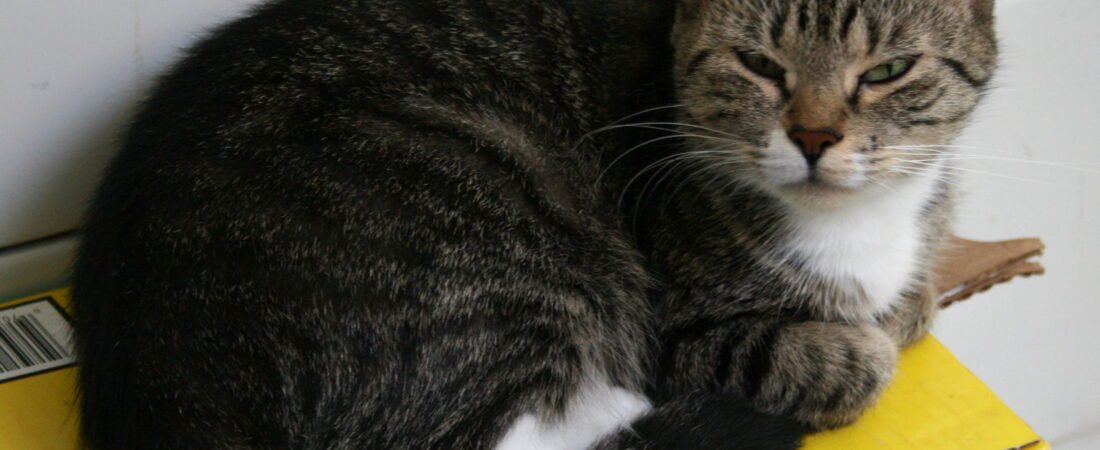
Photo: “2008-07-07 Kiska resting on cat litter box” by Ildar Sagdejev, licensed under CC BY-SA 4.0.