Table of Contents
- Why Diet Genuinely Matters Here
- The Ingredients With the Strongest Evidence
- What a Real Combined Formula Looks Like
- Why Diet Alone Isn’t the Whole Answer
- Talking to Your Vet About Combining Diet and Medication
- Setting Realistic Expectations
- Key Nutrients That Support an Aging Brain
- Introducing Dietary Changes Safely
How PawSeniors Researches This
PawSeniors articles are written and edited in-house, then checked against primary veterinary sources before publishing.
- Every medical claim is sourced to the American Kennel Club, PetMD, VCA Animal Hospitals, or another named veterinary source, linked at the end of the article.
- Every claim is tied to a named, checkable veterinary source linked at the end of the article — nothing is published without a reference you can verify yourself.
- Articles are updated when veterinary guidance changes.
Diet is one of the more evidence-backed, actionable tools available for supporting a senior dog managing canine cognitive dysfunction, and understanding what actually has research behind it helps separate genuinely useful nutritional support from wishful marketing.
Why Diet Genuinely Matters Here
Veterinary therapeutic diets designed specifically to support brain health have shown measurable improvement in learning and memory of previously learned tasks in dogs with cognitive dysfunction. Improvements in the abnormal behaviors associated with CCD are typically seen within six to twelve weeks of starting a diet with sufficiently high levels of the right supportive nutrients, which is a meaningful, if not immediate, timeline worth setting realistic expectations around from the start.
The Ingredients With the Strongest Evidence
Omega-3 fatty acids, specifically EPA and DHA, help lower inflammation, improve blood flow in the brain, and strengthen the cell membranes of neurons, giving them a genuinely direct, well-studied role in brain health. MCT oil offers a different kind of support: it supplies the brain with an alternative energy source, ketones, at a point in cognitive decline when the brain’s ability to use its usual fuel, glucose, starts to decline, essentially working around part of the underlying problem rather than only treating symptoms. Because the aging brain becomes more vulnerable to oxidative damage, antioxidant supplementation is another consistently recommended piece, aimed at reducing that specific kind of cellular stress. SAMe is a further ingredient with research support, shown to reduce oxidative stress and improve cognitive function measures across several species, including dogs.
What a Real Combined Formula Looks Like
One well-documented study found that dogs fed a diet combining MCT oil, omega-3 fatty acids, antioxidants, arginine, and B vitamins showed significant improvement in five of six DISHAA symptom categories within just thirty days, with improvement across all six categories by ninety days. This kind of multi-ingredient combination, rather than any single nutrient in isolation, reflects how these therapeutic diets and supplement blends are actually formulated in practice.
Why Diet Alone Isn’t the Whole Answer
Research specifically comparing approaches found that combining nutritional support with environmental enrichment, mental stimulation, consistent routine, engagement, produced meaningfully better results than nutrition alone. This matters practically: a cognitive-support diet works best layered alongside the environmental consistency and mental engagement covered in our other cognitive decline guides, not as a standalone fix expected to carry the full weight of managing the condition by itself.
Talking to Your Vet About Combining Diet and Medication
For dogs already on or being considered for medication like selegiline, dietary changes and supplements are generally discussed and coordinated with your vet rather than added independently, since a full picture of everything being given helps avoid unnecessary overlap or interaction between different supportive approaches. Most vets are genuinely supportive of a combined nutrition-plus-medication strategy when it’s coordinated thoughtfully, since the research increasingly points toward multiple simultaneous approaches outperforming any single intervention on its own.
Setting Realistic Expectations
Dietary support can meaningfully improve specific symptoms and potentially slow further decline, but it doesn’t reverse cognitive dysfunction or restore a dog fully to their younger cognitive baseline. Owners who approach a cognitive-support diet as one genuinely useful piece of a broader plan, rather than a singular solution, tend to have both more realistic expectations and, often, better actual outcomes for their dog.
Key Nutrients That Support an Aging Brain
Diets formulated for cognitive support in senior dogs typically emphasize medium-chain triglycerides, which the aging canine brain can use as an alternative fuel source when glucose metabolism becomes less efficient, along with antioxidants like vitamin E and C that help counter oxidative stress linked to cognitive decline. Omega-3 fatty acids, particularly DHA, and B vitamins are also commonly included for their roles in supporting neuron health and function.
Introducing Dietary Changes Safely
Any diet transition in a senior dog, especially one already dealing with cognitive changes, is best done gradually over seven to ten days, mixing increasing amounts of the new food with the old to avoid digestive upset that could add stress to an already vulnerable pet. Because supplements and prescription cognitive diets can interact with existing medications or health conditions, running the specific product past your vet before starting is a worthwhile step rather than an optional one.
Sources: VCA Animal Hospitals — Nutrition for Dogs With Cognitive Dysfunction Syndrome, American Kennel Club — Dementia in Dogs: Signs, Symptoms, and Treatments.
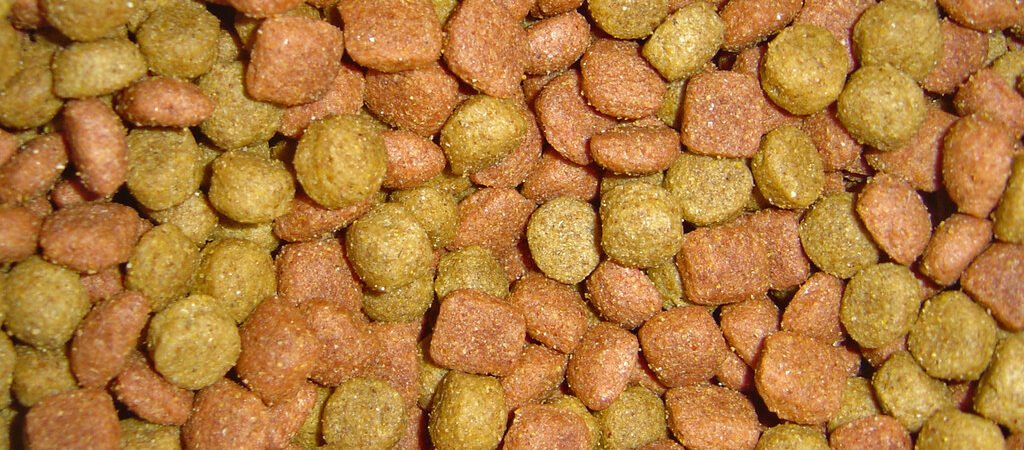
Photo: "Dog Food" by chrismetcalfTV, licensed under CC BY 2.0. Source.