Table of Contents
- Why Ear Infections Become Chronic Rather Than One-Time Events
- Why Treating Just the Infection Doesn’t Solve It
- What a Proper Workup Looks Like
- Treatment: Short-Term and Long-Term
- When Surgery Becomes Necessary
- What You Can Do Between Vet Visits
- Signs an Ear Infection Has Become More Serious
- Keeping a Record Across Episodes
How PawSeniors Researches This
PawSeniors articles are written and edited in-house, then checked against primary veterinary sources before publishing.
- Every medical claim is sourced to the American Kennel Club, PetMD, VCA Animal Hospitals, or another named veterinary source, linked at the end of the article.
- Every claim is tied to a named, checkable veterinary source linked at the end of the article — nothing is published without a reference you can verify yourself.
- Articles are updated when veterinary guidance changes.
A senior dog who keeps shaking their head, scratching at their ears, or developing a persistent odor from that area, despite repeated treatment, is likely dealing with chronic otitis, recurring ear infections that keep coming back rather than resolving for good.
Why Ear Infections Become Chronic Rather Than One-Time Events
A single ear infection is usually straightforward to treat, but chronic, recurring infections almost always point to an underlying cause that keeps setting the stage for new infections even after each individual episode clears up. The most common underlying triggers are allergies, either environmental or flea-related, and hormonal conditions like hypothyroidism, both of which change the ear canal’s environment in ways that make it easier for bacteria and yeast to take hold repeatedly. Excess oil production and skin disorders affecting normal skin formation can contribute too, and dogs with floppy or hairy ears, Basset Hounds, Cocker Spaniels, Golden Retrievers, and similar breeds, are more prone simply due to reduced airflow in the ear canal.
Why Treating Just the Infection Doesn’t Solve It
Cleaning the ear canal and addressing the current bacterial or yeast overgrowth resolves the active infection, but if the underlying trigger, an unmanaged allergy or an undiagnosed thyroid condition, isn’t identified and treated too, a new infection is likely to follow within weeks or months. This is the central frustration many owners describe: repeated vet visits, repeated ear drops, and repeated short-term improvement followed by another flare-up, all because the root cause was never actually addressed alongside the symptom.
What a Proper Workup Looks Like
For a dog with genuinely recurring ear infections, rather than an isolated one-off, a vet visit focused on chronic otitis typically goes beyond a quick ear cleaning to investigate why infections keep happening. This can include allergy testing or an elimination diet trial if food or environmental allergies are suspected, bloodwork to check thyroid function, and a closer look at the ear canal’s structure itself, since chronic inflammation over time can actually narrow the canal and make future infections more likely, creating a cycle that gets harder to break the longer it continues.
Treatment: Short-Term and Long-Term
Managing chronic otitis really involves two separate plans working together. The short-term plan clears the current infection: cleaning the ear canal to remove debris, addressing the active bacterial or yeast component, and using anti-inflammatory medication to reduce pain and swelling. The long-term plan is what actually prevents recurrence, treating the underlying allergy or hormonal condition, switching to a diet that avoids an identified food trigger, or starting a consistent ear-cleaning routine at home to keep the canal healthy between flare-ups.
When Surgery Becomes Necessary
For severe, long-standing cases where medical management repeatedly fails and the ear canal has become significantly damaged or narrowed by chronic inflammation, a surgical procedure called total ear canal ablation may be recommended. This removes the diseased canal tissue entirely, eliminating the site where infections keep recurring. It’s a significant procedure reserved for genuinely refractory cases, but for a dog who’s been cycling through infections for months or years despite consistent treatment, it can finally break a cycle that medical management alone hasn’t been able to resolve.
What You Can Do Between Vet Visits
For dogs prone to ear issues, especially those with floppy ears or a history of swimming, routine preventive ear cleaning with a vet-recommended solution, rather than waiting for the next flare-up, helps keep the canal drier and less hospitable to the bacteria and yeast that cause infections. Checking ears regularly for early signs, redness, odor, or a head tilt, and addressing them promptly rather than waiting for a full-blown infection to develop, tends to keep each individual episode milder and easier to resolve.
Signs an Ear Infection Has Become More Serious
A head tilt, loss of balance, or circling alongside ear symptoms can indicate the infection has spread to the middle or inner ear, a more serious situation that needs prompt veterinary attention rather than routine treatment. Similarly, a sudden change from head shaking to a dog holding their head consistently tilted to one side, or signs of pain when opening the mouth to eat, both suggest the infection has progressed beyond the outer ear canal and deserves same-week evaluation rather than waiting for a scheduled recheck.
Keeping a Record Across Episodes
For a dog with a genuinely chronic pattern, keeping a simple log of each infection, date, which ear, what treatment was used, and how long improvement lasted before recurrence, gives your vet a much clearer picture than trying to recall the pattern from memory during a rushed appointment. This record often reveals patterns an owner wouldn’t otherwise notice, infections clustering after swimming, or flaring during a specific season, that point more directly toward the actual underlying trigger.
Sources: American Kennel Club — Dog Ear Infections: Symptoms, Causes, Treatment, and Prevention.
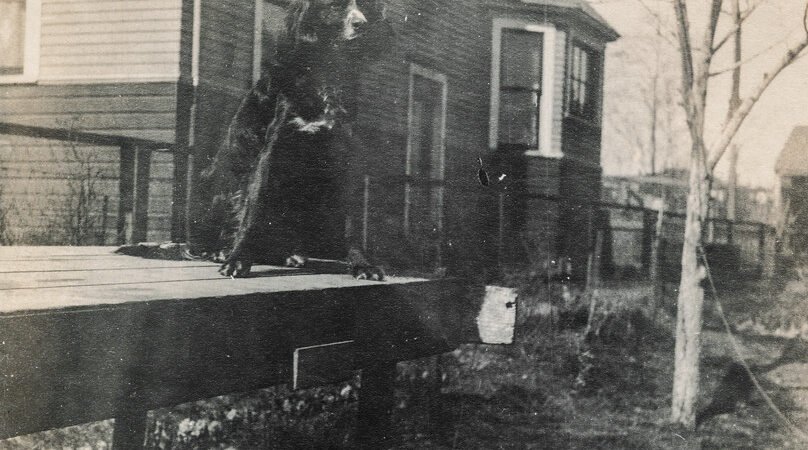
Photo: "Cocker spaniel dog sitting on a deck" by simpleinsomnia, licensed under CC BY 2.0. Source.