Table of Contents
How PawSeniors Researches This
PawSeniors articles are written and edited in-house, then checked against primary veterinary sources before publishing.
- Every medical claim is sourced to the American Kennel Club, PetMD, VCA Animal Hospitals, or another named veterinary source, linked at the end of the article.
- Every claim is tied to a named, checkable veterinary source linked at the end of the article — nothing is published without a reference you can verify yourself.
- Articles are updated when veterinary guidance changes.
Finding a new, soft lump under your senior dog’s skin is one of the more common, and more anxiety-inducing, discoveries an owner makes. In the large majority of cases, especially in older dogs, that lump turns out to be a lipoma, a benign fatty growth that’s more of a cosmetic curiosity than a health threat.
What a Lipoma Actually Is
Lipomas are made up of fat cells that grow into a soft, rounded mass just under the skin, typically slow-growing and movable when pressed rather than fixed in place. Older, overweight dogs are more prone to developing them, and certain breeds, including Labs, Cocker Spaniels, Dachshunds, Beagles, Miniature Schnauzers, and Dobermans, seem more susceptible than others, though any dog can develop one.
Why They’re (Usually) Nothing to Worry About
Lipomas are benign, meaning they don’t spread to other parts of the body, and it’s very common for middle-aged to older dogs to have several at once over their lifetime. Most grow slowly and never cause any health problems at all beyond their physical presence, and plenty of dogs live comfortably with one or more lipomas that are simply monitored rather than treated.
When a Lipoma Actually Needs Attention
A few specific changes are worth flagging to a vet promptly rather than waiting for a routine checkup: a lump that starts growing quickly, becomes painful, or changes texture from soft and mobile to firm or fixed in place. Location matters too. A lipoma that develops in the armpit, groin, or another area where a dog’s movement is affected by its bulk can become a functional problem even while remaining completely benign, and lipomas can occasionally grow between muscle layers or even inside the abdomen, which can cause discomfort depending on where they end up. A rare, more aggressive malignant version called a liposarcoma can also develop, distinguished mainly by faster growth and a firmer feel, which is exactly why a new lump should always be checked rather than assumed benign on sight, even in a dog who’s already had several confirmed lipomas before.
How Vets Confirm It’s Actually a Lipoma
The standard way to confirm a lump is a lipoma, rather than something more concerning, is a fine-needle aspirate, a quick, minimally invasive procedure where a vet draws a small sample of cells with a needle and examines them under a microscope. This simple test reliably distinguishes a benign fatty lump from other possibilities without requiring surgery, and it’s worth doing for every new lump, even ones that look and feel exactly like a lipoma a dog has had confirmed before, since appearance alone isn’t a reliable enough diagnostic on its own.
When Removal Makes Sense
Most confirmed lipomas are simply monitored rather than removed, since the growth itself is harmless and surgery carries its own risks, especially under general anesthesia in an older dog. Removal becomes a reasonable conversation with your vet when a lipoma grows large enough, or sits in a location where it interferes with a dog’s movement, comfort, or quality of life, at which point the practical benefit of removing it starts to outweigh the surgical risk. Once removed, recurrence at that specific site is relatively uncommon, though new lipomas can still form elsewhere. In dogs who are overweight, gradual weight loss can sometimes help shrink an existing lipoma somewhat, alongside whatever your vet recommends for the lump itself.
Lipomas vs. Cancerous Lumps: The Key Differences
While a fine-needle aspirate is the only definitive way to tell a lipoma from something more serious, a few general patterns can help you judge how urgently a new lump deserves attention while you’re waiting for a vet visit. Lipomas tend to be soft, easily movable under the skin, slow-growing over months or years, and painless when touched. Lumps more likely to be concerning tend to grow noticeably over just days or weeks, feel firm or fixed to the tissue underneath rather than sliding freely, cause pain when touched, or are accompanied by other changes like a wound that won’t heal or swelling in nearby lymph nodes.
None of these patterns are diagnostic on their own; a firm-feeling lump can still turn out to be benign, and a soft one can occasionally surprise a vet on biopsy. They’re useful mainly for deciding how quickly to get a lump checked, not for deciding whether to check it at all. Every new lump deserves an actual look from a vet, since guessing from feel alone, even an educated guess, isn’t reliable enough to skip that step.
How Many Lipomas Is Normal?
It’s genuinely common for a single senior dog to develop several separate lipomas over the years, not just one, and finding a new lump doesn’t necessarily mean revisiting a diagnosis that’s already been confirmed elsewhere on the body. That said, each new lump still deserves its own individual check rather than an assumption based on past history, since a dog who’s had multiple confirmed lipomas can still develop an unrelated, different kind of lump. Keeping a simple record, location, approximate size, and the date first noticed, for each confirmed lipoma makes it easier for both you and your vet to track whether an existing one is changing, and to quickly flag anything genuinely new during a routine monthly check.
Sources: PetMD — Lipoma in Dogs: Everything a Pet Parent Needs to Know, VCA Animal Hospitals — Adipose (Lipoma) Tumors.
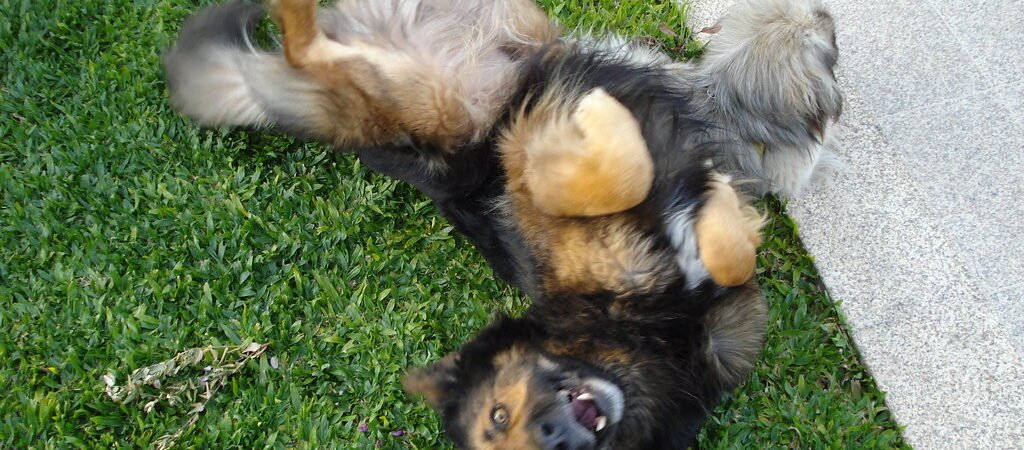
Photo: "Hey, I'm a pup too, scratch my belly :-D" by Blackangel, licensed under CC BY 2.0. Source.