Latest posts
-
Mental Enrichment Ideas to Keep Your Senior Dog’s Mind Sharp

Mental stimulation isn’t just for puppies. A handful of low-effort enrichment habits can help slow age-related cognitive decline and keep senior dogs engaged.
-
Car Travel Safety for Senior Dogs and Cats
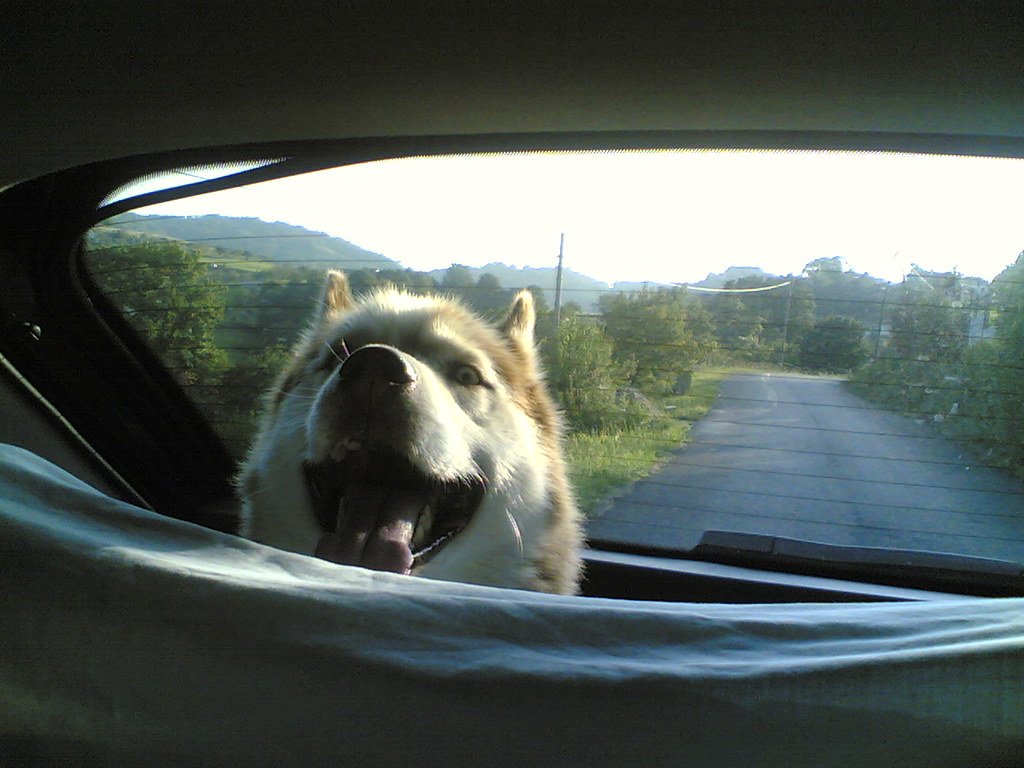
Senior pets have less tolerance for heat, motion sickness, and unrestrained jolts than they used to. Here’s how to make car travel safer and easier on aging joints.
-
Heart Disease in Senior Dogs: Early Warning Signs
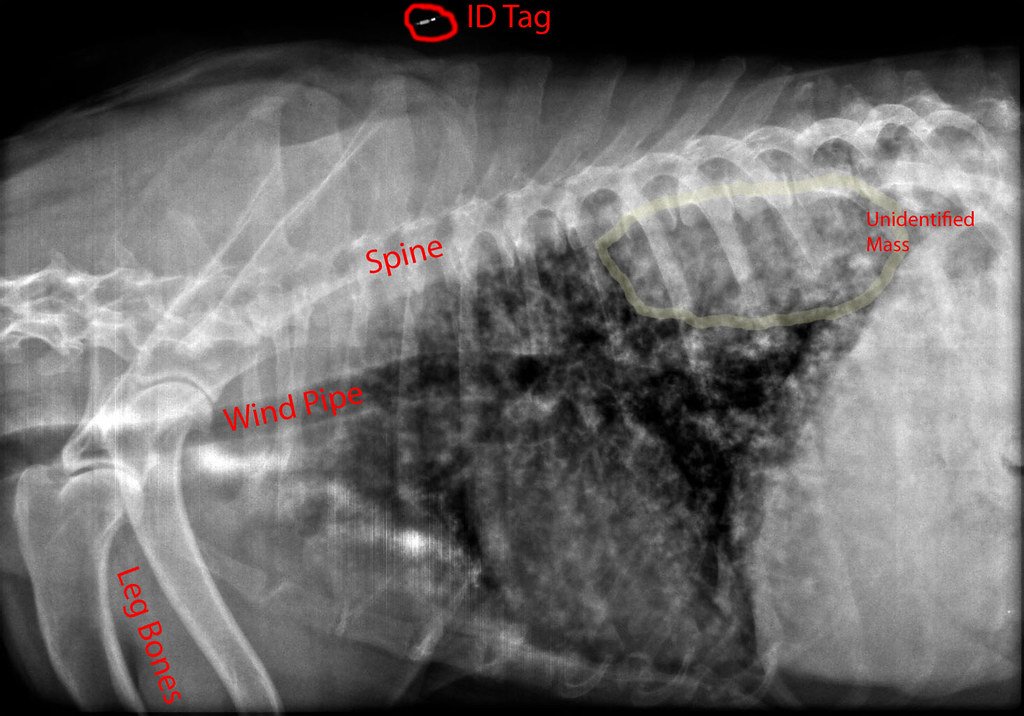
About 35% of senior dogs have some form of heart disease, and most show no outward signs until a vet detects a heart murmur. Here’s what to watch for between checkups.
-
Helping a Surviving Pet Grieve After Losing a Companion
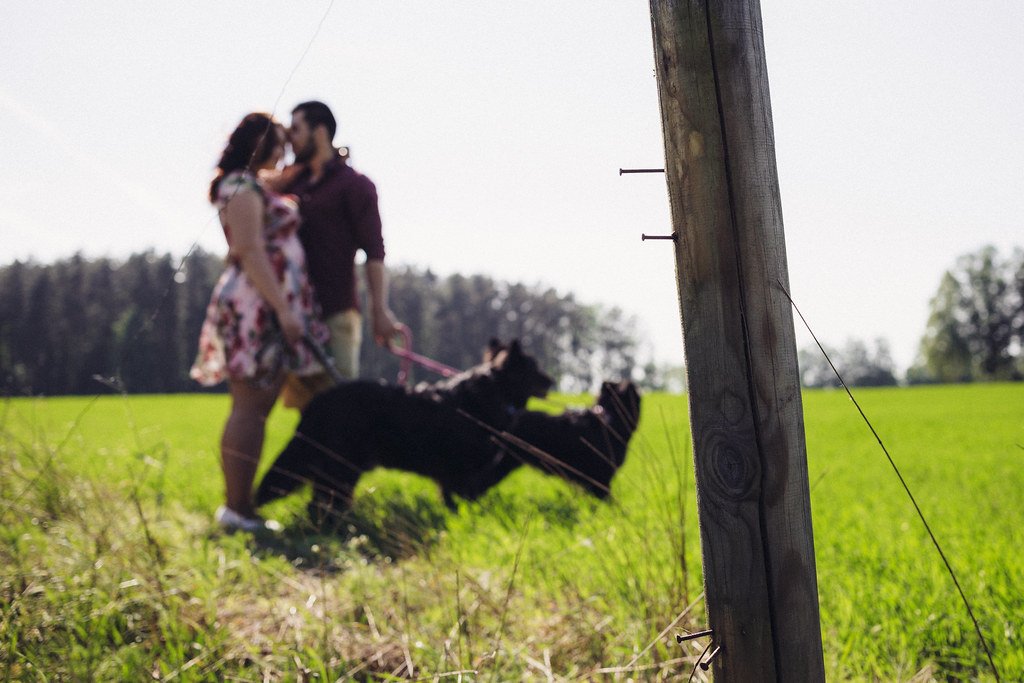
About two-thirds of surviving dogs and cats show four or more behavior changes after losing a companion animal. Here’s what grief looks like in pets, and what actually helps.
-
Why Senior Dogs Need More Water Than You Think
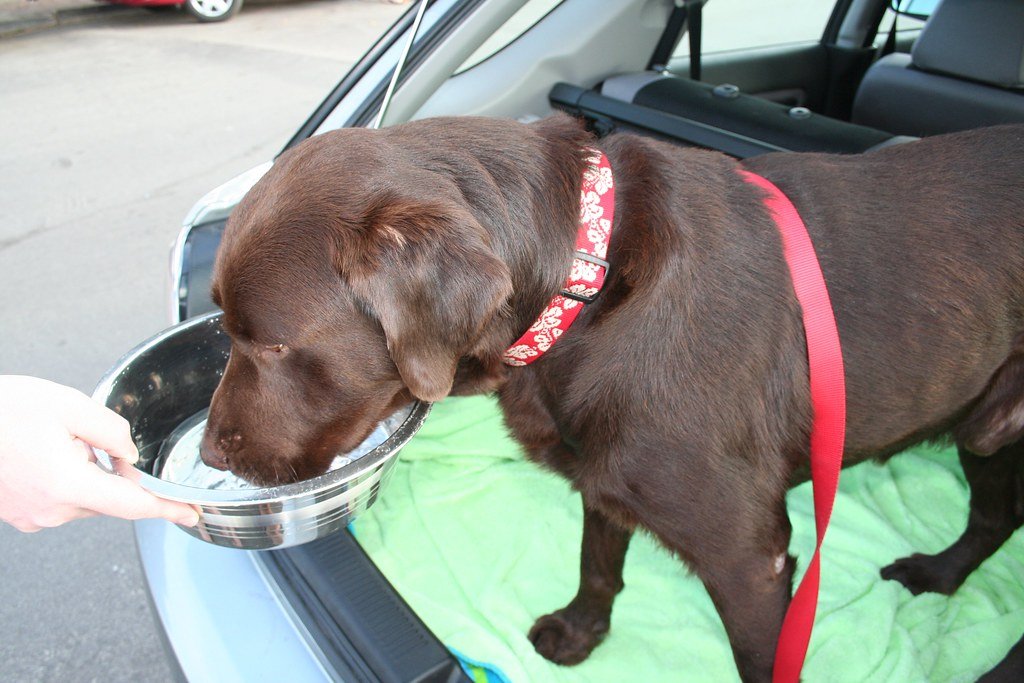
Senior dogs are more prone to dehydration, partly because they forget to drink and partly because thirst signals get weaker with age. A few small changes make a real difference.
-
Chronic Kidney Disease in Senior Dogs: Signs You Shouldn’t Wait On
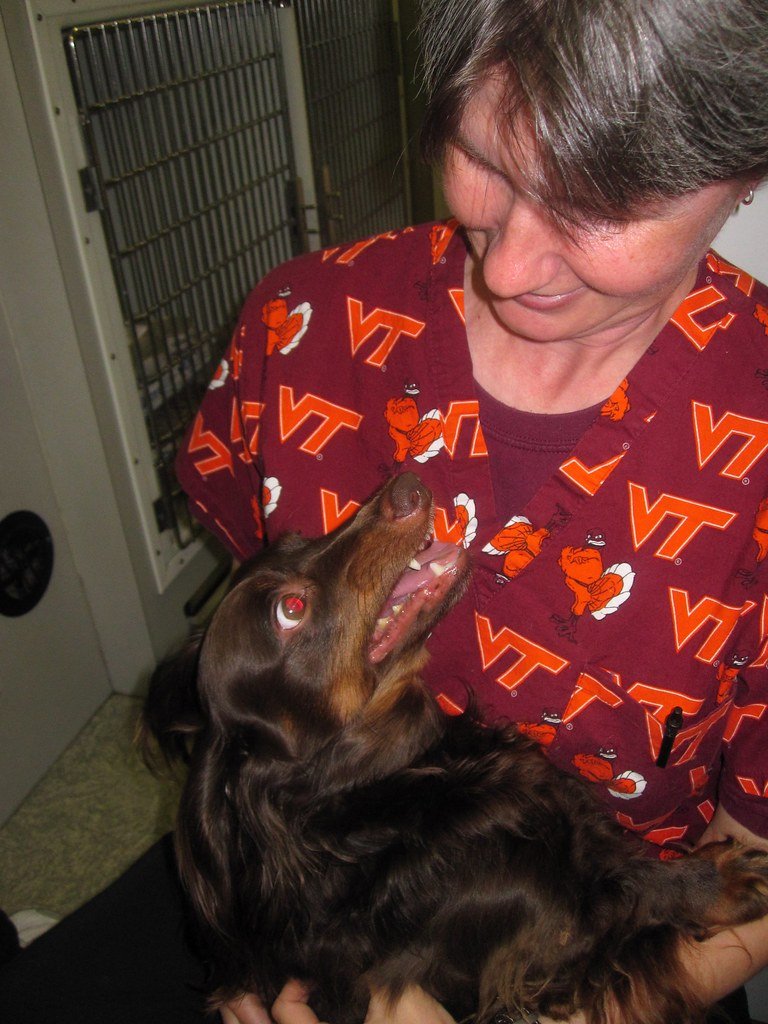
By the time kidney disease causes obvious symptoms, a dog has often already lost about 75% of kidney function. Here’s why routine bloodwork matters more than watching for signs.
-
Why Separation Anxiety Gets Worse in Senior Dogs (And What Helps)

A dog that was always fine home alone can start panicking in their senior years. It’s often not a training regression — it’s a sign worth mentioning to your vet.
-
Weight Management for Senior Dogs: Why It Gets Harder and How to Do It
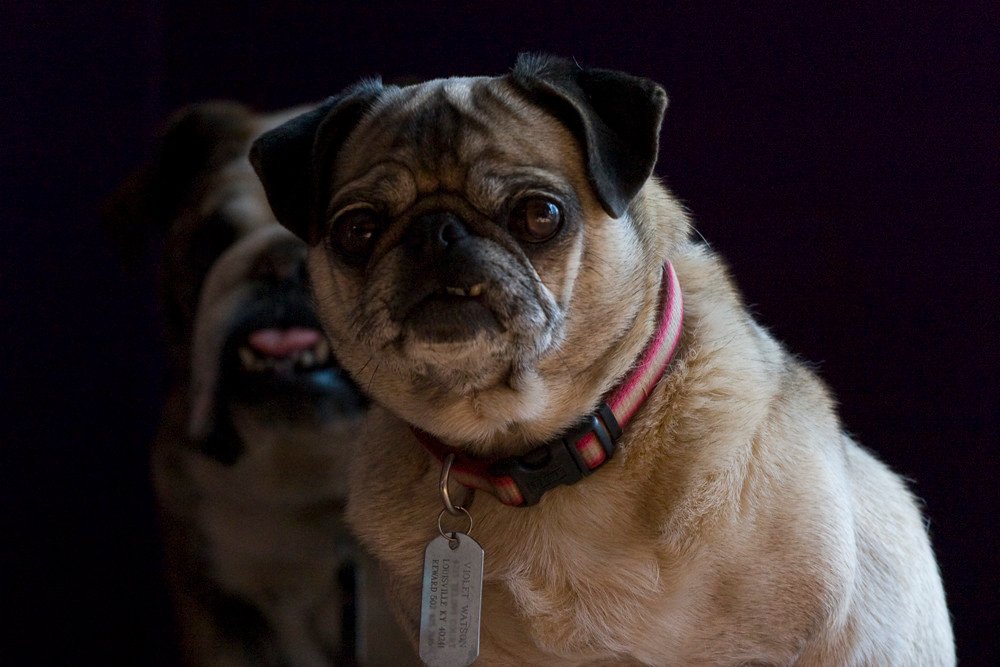
Obesity peaks in dogs aged 5-12, and it’s harder to reverse in a senior than to prevent in a younger dog. Here’s why the math changes with age and what an effective weight plan actually looks like.
-
Hip Dysplasia in Senior Dogs: Symptoms and Management
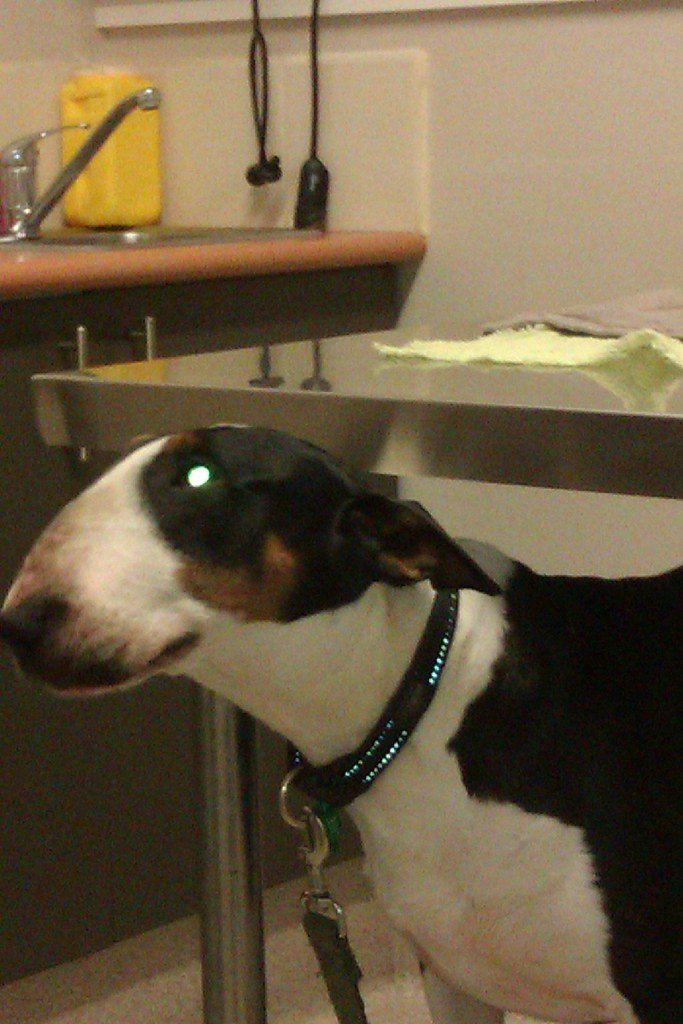
Hip dysplasia often starts in puppyhood but doesn’t show symptoms until years of gradual joint damage catch up with a dog. Here’s how it presents in senior years and what management actually looks like.
-
The HHHHHMM Quality of Life Scale: How to Assess Your Senior Pet’s Comfort

A vet-developed 7-category scale gives owners a structured, less emotional way to judge whether a senior pet’s daily life is still good — and when it’s time to have a harder conversation.